Six Armies in Normandy
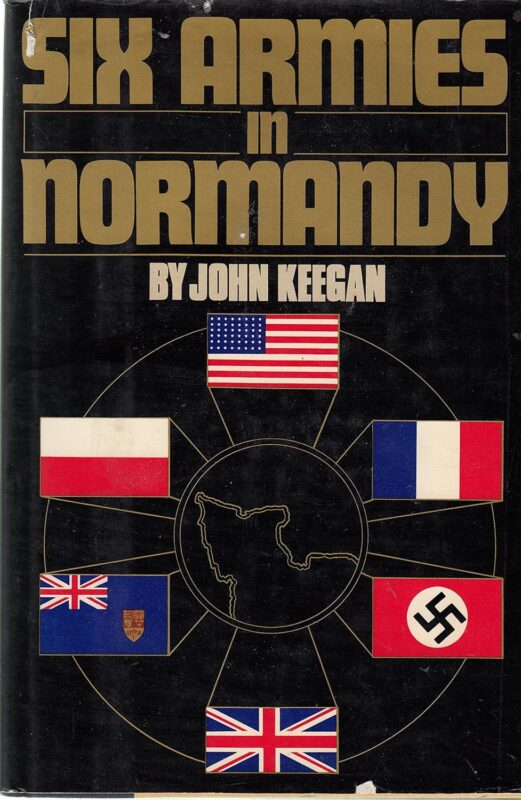
Six Armies in Normandy by John Keegan unites strategic insight, battlefield narrative, and personal reflection to reveal the full scope and lasting legacy of the Normandy campaign in World War II. Keegan, a renowned military historian, traces the interwoven destinies of American, British, Canadian, German, Polish, and French forces as they converged on Normandy’s beaches and hedgerows during the summer of 1944. What did these armies seek, and how did their efforts redefine Europe? Keegan drives toward these questions with a relentless focus on human experience and operational detail.
The Gathering of Armies and the Shape of Strategy
The Allied plan for Operation Overlord set the largest amphibious invasion in history into motion, with intricate logistics, deception operations, and diplomatic maneuvering establishing the conditions for June 6, 1944. Eisenhower commanded a coalition whose very structure imposed strategic and political complexities, as British, American, and Canadian leaders coordinated objectives and managed national priorities. German high command, under Hitler’s increasingly rigid directives, prepared a defense rooted in static fortifications and dispersed armored reserves. The unique motivations, strengths, and anxieties of each nation shaped the initial assault and the campaigns that followed.
The Prologue of Experience: Personal and Social Foundations
Keegan begins with his own wartime childhood in rural England, a perspective that frames the campaign as both a military and social event. The rural countryside, seemingly far from the front, became a zone of preparation and anticipation, as the arrival of American troops transformed local economies, relationships, and identities. Keegan’s observations link private memory to public history, suggesting that war remakes places and the people within them. British children debated the merits of British and American weaponry, while local populations encountered the GIs’ cultural energy and material abundance, forecasting the coming wave of transformation.
All-American Screaming Eagles: The Airborne Prelude
Before dawn on D-Day, American paratroopers of the 82nd and 101st Airborne Divisions jumped behind enemy lines. Scattered by weather and antiaircraft fire, these units improvised and adapted, capturing vital bridges, holding crossroads, and sowing confusion among German defenders. Their actions eased the path for the seaborne assault at Utah Beach and linked the tactical initiative of individuals with the broader Allied plan. The courage and confusion of the airborne drops illuminate the unpredictable reality of combat, where success depends as much on individual tenacity as on headquarters orders.
Canada’s Reckoning and Redemption at Juno
Canadian forces, having endured the catastrophe of Dieppe in 1942, approached Juno Beach with a determination forged by loss and preparation. Storming heavily fortified positions, they sustained severe casualties yet advanced rapidly inland, closing gaps between British and American sectors. Canadian units demonstrated operational flexibility and aggressive leadership, cementing a reputation earned through both suffering and achievement. Their progress laid the foundation for subsequent advances toward Caen, a pivotal objective that would dominate Allied strategy for weeks.
British Intent and the Scottish Corridor
The British Second Army, commanded by Montgomery, pressed toward Caen in the campaign’s opening phase, confronting some of Germany’s best divisions. Operations such as Epsom and Goodwood forced the Germans to commit armored reserves and held enemy strength in the eastern sector of the bridgehead. British tactics emphasized set-piece attacks, methodical buildup, and persistent pressure, enabling the Americans in the west to prepare for the breakout while absorbing the weight of German counterattacks. The Scottish Corridor became a crucible for the contest between Allied material strength and German tactical skill, as both sides suffered attrition and devastation.
German Dilemmas and Command Fractures
German forces defending Normandy faced overwhelming Allied air superiority and logistical dominance. Field Marshal Rommel, charged with preparing the Atlantic Wall, recognized the impossibility of static defense against Allied technology and numbers. However, Hitler’s insistence on holding ground and dispersing armored divisions behind the front constrained commanders’ ability to respond swiftly. Delays in mobilizing reserves, confusion in command, and the growing effects of relentless bombing compounded the German predicament. The German army, lauded for discipline and tenacity, became the victim of a command structure paralyzed by political interference and inflexible doctrine.
Polish Valor and the Falaise Encirclement
The Polish 1st Armoured Division entered the campaign as exiles, fighting to reclaim honor and lost homeland. At the Falaise Pocket, they played a decisive role in closing the last escape routes for German forces, enduring savage combat and heavy casualties. The struggle at Falaise transformed the course of the campaign, as tens of thousands of German troops were killed or captured, and the remnants fled in disarray. Polish bravery and sacrifice contributed directly to the collapse of German resistance in Normandy, altering the balance of power in northern France.
Free France and the Rebirth of Sovereignty
French regulars and the Resistance formed the kernel of national resurgence, aiding the Allies in seizing towns, sabotaging German supply lines, and restoring administrative authority. The presence of French units alongside the Allies, notably the 2nd Armoured Division under Leclerc, signaled a return to sovereignty and political agency. The liberation of Paris, achieved through combined military and civilian action, became both a strategic victory and a powerful symbol of France’s renewal. The campaign reconstituted French national identity in the crucible of liberation.
Civilians in the Line of Fire
Normandy’s civilian population absorbed the campaign’s violence and upheaval. Allied bombardments leveled towns, displaced thousands, and inflicted casualties on the local population. Agricultural communities, caught between retreating Germans and advancing Allies, suffered destruction of property and infrastructure. Civilians adapted through resilience, cooperation, and ingenuity, forging new relationships with liberating soldiers and navigating the complexities of occupation and liberation. The legacy of suffering and survival endures in Normandy’s landscape and collective memory.
Inter-Allied Tensions and Operational Convergence
The Normandy campaign’s command structure demanded unprecedented cooperation among Allied leaders. Eisenhower managed personalities and priorities, reconciling Montgomery’s caution with Patton’s aggression and resolving disputes over resources, objectives, and tactics. Canadian and Polish commanders asserted their forces’ value, seeking recognition in operational planning. French political leaders, including De Gaulle, maneuvered for authority in the liberated territories. The campaign demonstrated that military victory required more than firepower and planning; it depended on the ability of diverse nations to act in concert, transcend rivalries, and share burdens.
Material Power and Tactical Evolution
Allied material superiority shaped every stage of the campaign, from the pre-invasion buildup to the relentless logistical flow across the beaches. The construction of artificial harbors (Mulberries), the deployment of specialized tanks (Hobart’s Funnies), and the exploitation of air dominance enabled the Allies to sustain the offensive and respond to German counterattacks. Tactical lessons emerged rapidly: flexible unit leadership, rapid exploitation of breakthroughs, and integration of infantry, armor, and air support. The ability to adapt doctrine and technology under combat conditions propelled the campaign toward its objectives.
The Collapse of German Resistance and Strategic Outcomes
Following the closure of the Falaise Pocket, German forces retreated in disorder toward the Seine, abandoning equipment and suffering catastrophic losses. Allied forces surged forward, liberating Paris and advancing toward the borders of Belgium and Germany. The Normandy campaign destroyed German capacity to mount coherent resistance in France, paving the way for the liberation of Western Europe. The shifting lines on the map reflected deeper transformations in power, sovereignty, and geopolitical structure.
Legacy and Memory: The New Order in Europe
The victory in Normandy did more than achieve military objectives. It recast the political and social order of Europe, signaling the decline of Nazi Germany and the rise of American and Soviet influence on the continent. Former battlefields became sites of remembrance, their significance deepening over time as nations revisited the events and sacrifices of 1944. The campaign’s memory shaped postwar narratives, national myths, and international relationships. Survivors, both military and civilian, became witnesses whose stories informed understanding of war and peace.
Keegan’s Interpretive Frame
John Keegan weaves strategic analysis with personal narrative, focusing on how armies reflect the societies that create them. The conduct of battle reveals the values, limitations, and aspirations of nations. The Normandy campaign functions as both a crucible of military innovation and a stage for the assertion of national identity. Through the interrelation of armies, commanders, and civilians, Keegan draws out the broader significance of warfare as an instrument of social and political transformation.
The Study of Coalitions and Command
Coalition warfare requires the integration of divergent interests, doctrines, and cultures. Normandy tested the ability of Allied leaders to forge unity from difference. The friction between American impatience for rapid advance and British caution over resources and casualties played out in planning rooms and on the battlefield. Canadian and Polish contributions pushed for recognition, while Free French forces linked the military campaign to political renewal. German cohesion eroded under the pressure of defeat, resource scarcity, and leadership paralysis.
The Transformation of Warfare and Society
Material preponderance, technological innovation, and doctrinal flexibility transformed the nature of combat in Normandy. Yet Keegan insists that the individual soldier’s experience retains central importance. The shock of landing, the chaos of airborne drops, the strain of street fighting in ruined towns, and the psychological endurance required for sustained combat connect the historical narrative to lived reality. War shapes societies, and societies in turn shape the character of armies.
Toward a Continental Reckoning
Normandy’s campaign established a template for coalition victory, demonstrated the limits of authoritarian command, and exposed the stakes of technological and logistical supremacy. The convergence of armies in a single, sustained campaign forged relationships that would influence the political order of Europe for decades. The path from D-Day to the liberation of Paris and the collapse of German occupation demonstrates the capacity of military operations to achieve transformation on a continental scale.
Six Armies in Normandy by John Keegan stands as a definitive account of the campaign that opened the road to Europe’s liberation and the reshaping of world order. Keegan’s synthesis of operational detail, strategic insight, and human perspective offers an enduring analysis of coalition warfare and the stakes of battle. As readers revisit the beaches, hedgerows, and crossroads of Normandy, they confront questions of leadership, sacrifice, and the enduring consequences of decisive action. What does it mean to win a battle that remakes nations? Keegan’s answer lies in the convergence of armies, the forging of coalitions, and the unyielding drive toward liberation and renewal.
