Egregores: The Occult Entities That Watch Over Human Destiny
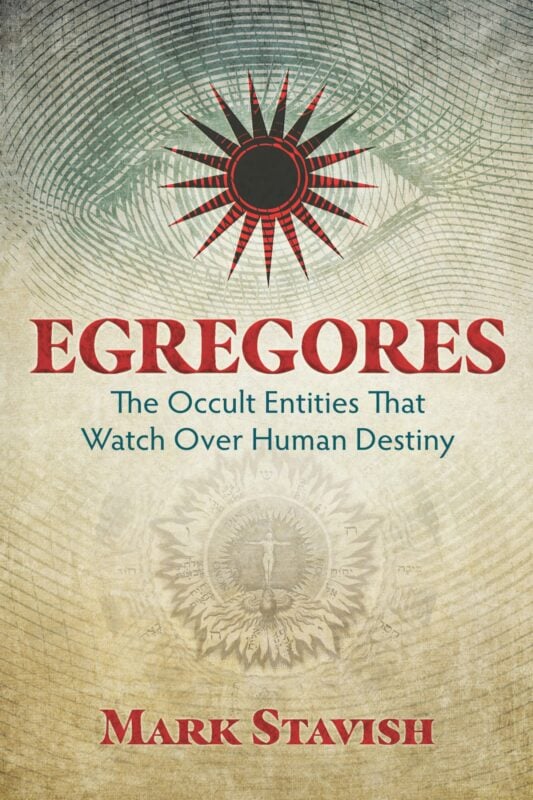
Egregores: the Occult Entities That Watch Over Human Destiny by Mark Stavish examines the creation, influence, and management of psychic entities known as egregores, which arise from the collective thoughts, rituals, and emotions of human groups. Stavish reveals how these forces shape destinies, manipulate individual and collective behavior, and persist through history, culture, and occult practice.
Origins of the Egregore: Watchers in Ancient Texts
The word egregore comes from the Greek “égrégoros,” meaning “watcher,” and appears in the Book of Enoch to describe powerful angelic beings. Ancient civilizations used the concept to understand how groups invoke and sustain invisible forces through shared intention, belief, and sacrifice. Stavish traces the lineage of egregores through Western esotericism and global traditions, showing how they root themselves in mythology, religious practice, and social organization. He demonstrates that egregores emerge where groups focus collective psychic energy, and their strength depends on the intensity and continuity of devotion.
From Thoughtform to Entity: Mechanisms of Psychic Formation
Groups generate egregores through ritual, belief, and emotional investment. When individuals repeatedly concentrate on a single image, archetype, or idea, they produce a psychic construct that gains increasing autonomy as more members contribute energy. Stavish defines egregores as “autonomous psychic entities” and clarifies that their agency arises from the accumulated power of group minds. Over time, an egregore’s influence feeds back into its adherents, reinforcing group values and expectations. Stavish details this feedback loop, in which collective psychic output creates and sustains a living presence that can direct, heal, or harm its contributors.
Historical Manifestations: Religious, Political, and Cultural Egregores
Stavish maps the egregore’s reach from ancient religious cults to modern political ideologies and corporate brands. City-states, empires, sects, and even families become vessels for egregores, which require constant nourishment through ritual, tradition, and emotional investment. When worship, loyalty, or identity shifts elsewhere, the egregore loses power and can collapse, as Stavish illustrates through the fall of ancient Rome. He extends this logic to explain the rise and decay of organizations, movements, and even nations, rooting cultural transformation in the psychic ecology of egregores.
Egregores in Spiritual Practice: Occult Orders and the Power of Group Mind
Occult and esoteric orders consciously cultivate egregores through structured initiation, ceremonial magic, and disciplined communal intention. Stavish explores the practices of the Hermetic Order of the Golden Dawn and similar societies, where the creation and maintenance of a powerful egregore becomes central to group identity and spiritual efficacy. Members receive psychic “links” that bind them to the order’s egregore, which in turn channels energy, inspiration, and protection. As members rise through the hierarchy, these connections deepen, shaping personal destiny and collective well-being. Stavish describes how psychic energy from rituals, meditations, and shared symbols accumulates in the egregore, which can act as a beneficent guide or a limiting force.
Cross-Cultural Parallels: Tulpas and Psychic Constructs in Tibetan Buddhism
Stavish draws a parallel between Western egregores and the Tibetan Buddhist concept of the tulpa—an intentionally created thoughtform that can develop its own autonomy. He examines the teachings of Alexandra David-Néel, who described tulpas as mental projections capable of independent action and survival beyond the control of their creator. This analogy demonstrates that the process of psychic formation transcends culture, connecting Western and Eastern metaphysics. Tibetan rituals focus and direct mental energy to create deities or protector spirits, which in turn shape the destinies of practitioners and communities. Stavish analyzes the political and spiritual consequences of tulpa worship, especially in controversies like the Dorje Shugden dispute, where competing egregores influence sectarian conflict and collective fate.
Mechanisms of Influence: Psychic Feedback, Emotional Bonding, and Ritual Power
Egregores exert their power by embedding themselves within the psychic and emotional frameworks of their adherents. Stavish reveals that collective rituals, meditative practices, and emotional commitments generate a field of influence that conditions perception, belief, and behavior. As the egregore grows stronger, its ability to reward loyalty, punish dissent, and propagate its ideals intensifies. This process mirrors the dynamics of groupthink, charismatic leadership, and ideological entrenchment found in religious, political, and corporate environments. The egregore becomes both the agent and the outcome of collective psychic investment.
Autonomy and Danger: When Egregores Take Control
Stavish warns that egregores can evolve beyond the intentions of their creators. When a thoughtform attains sufficient vitality, it acts independently, perpetuating itself through the compulsion and devotion of group members. The egregore seeks self-preservation, often demanding ongoing sacrifice, attention, and emotional energy. Stavish explains that spiritual, religious, and even corporate egregores can become “psychic parasites,” restricting freedom and manipulating group consciousness for their own ends. He describes cases where separation from the group leads to psychic withdrawal symptoms, anxiety, or even spiritual crisis, underscoring the egregore’s deep hold on personal identity.
Liberation and Mastery: Techniques for Disengaging from Egregores
Recognizing the double-edged power of egregores, Stavish advocates for conscious participation and critical self-awareness. He presents strategies for freeing oneself from unwanted or harmful egregores, such as meditation, ritual purification, and the cultivation of mental autonomy. Stavish stresses the necessity of discerning which egregores align with personal growth and which impede self-realization. Through philosophical guidance and practical exercises, he empowers readers to reclaim agency, dissolve psychic bonds, and assert sovereignty over their spiritual path.
Positive Egregores: Inspiration, Protection, and Communal Flourishing
Stavish distinguishes between destructive egregores and those that foster inspiration, healing, and collective advancement. He identifies beneficial egregores as those that promote ethical values, personal development, and communal support. These entities provide psychic protection, transmit wisdom, and elevate group consciousness when consciously managed and directed. Stavish details how communities, orders, and spiritual traditions can intentionally build and maintain positive egregores to serve as guardians, teachers, and catalysts for transformation.
Egregores and Modern Society: Brands, Movements, and Mass Media
In contemporary life, egregores manifest as mass movements, viral memes, and global brands. Stavish identifies the psychic architecture behind political movements, pop culture fandoms, and corporate identities, where collective attention and ritual participation generate new forms of egregore. Mass media amplifies these energies, spreading influence and consolidating group identity at unprecedented speed and scale. Stavish observes that the digital age accelerates egregore formation and mutation, making conscious awareness and discernment more urgent than ever.
Collective Destiny and Societal Transformation
Stavish links the vitality or decline of egregores to the fate of societies, organizations, and historical eras. He proposes that the rise and fall of nations, religious movements, and economic systems result from the health, focus, and adaptability of their egregores. When collective psychic energy dissipates, the supporting egregore withers, leading to social fragmentation and decline. Conversely, revitalization of communal purpose and ritual can restore or reinvent the egregore, driving renewal and transformation.
Practical Applications: Spiritual Defense and Conscious Creation
The book functions as a manual for spiritual self-defense and conscious participation in psychic life. Stavish provides clear instructions for recognizing egregore influence, assessing group dynamics, and making informed choices about affiliation. He encourages the cultivation of inner freedom as a prerequisite for genuine initiation and personal evolution. By understanding the mechanics of egregore formation, readers gain tools to protect themselves from manipulation, cultivate positive collective entities, and contribute intentionally to the psychic ecology of their communities.
Case Studies and Personal Accounts
Stavish includes personal narratives and historical examples to illustrate the tangible effects of egregores on individuals and groups. He presents accounts of disengagement, psychic crisis, and renewal, providing a grounded perspective on the process of separating from or reshaping egregoric influence. These stories underscore the psychological and spiritual stakes involved in confronting the reality of egregores.
Hierarchy and Transmission: The Role of Leadership and Succession
Egregores often transmit through hierarchical structures, with leaders and initiates serving as channels and sustainers of the entity’s power. Stavish describes how occult orders perform rituals of transmission, conferring psychic links that bind new members to the group’s egregore. The process of succession, initiation, and excommunication serves as the means by which the egregore renews itself and enforces discipline. Leadership decisions, doctrinal shifts, and schisms result in the fragmentation or transformation of egregoric identity.
Ritual, Symbol, and the Language of Power
Symbols, mantras, and rituals serve as the language through which egregores operate and manifest. Stavish demonstrates that the repetition of sacred names, visualizations, and ceremonial acts channels psychic energy directly into the egregore, reinforcing its presence and authority. He reveals that the structure and intensity of ritual practice determine the strength and stability of the entity, connecting group members across time and space. Ritual precision and collective intention anchor the egregore in both the material and subtle realms.
The Egregore’s Role in Personal Destiny
Engagement with egregores shapes not only collective but also personal destiny. Stavish shows that the psychic bonds established through group affiliation influence life choices, emotional states, and even patterns of fortune or adversity. The conscious individual navigates these influences by cultivating discernment, maintaining mental sovereignty, and periodically reviewing group commitments. Stavish’s perspective invites readers to observe the convergence of personal and collective trajectories within the broader currents of psychic life.
Conscious Evolution: Choosing Your Psychic Alliances
Stavish concludes by urging readers to approach the phenomenon of egregores with mindfulness and critical intelligence. He calls for intentionality in choosing which entities to support, transform, or release. The conscious cultivation of positive egregores, coupled with the willingness to dissolve obsolete or harmful ones, defines the path to spiritual maturity and communal flourishing. Stavish offers a vision of human destiny shaped by lucid participation in the living architecture of group mind.
Enduring Relevance
Mark Stavish’s work provides an authoritative, accessible resource for seekers, scholars, and practitioners alike. The study of egregores opens a gateway to understanding the invisible architectures that shape societies, direct destinies, and orchestrate the dance of group and individual will. Stavish’s synthesis illuminates a domain where ancient wisdom, modern experience, and practical insight converge, offering a map for those who seek to navigate, create, and transform the living entities that inhabit the world of human thought and action.

