Esoteric Hollywood II: More Sex, Cults & Symbols in Film
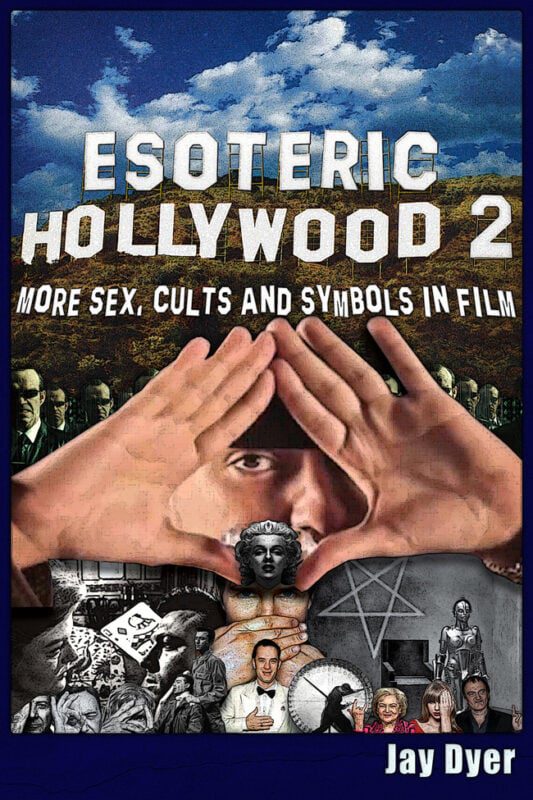
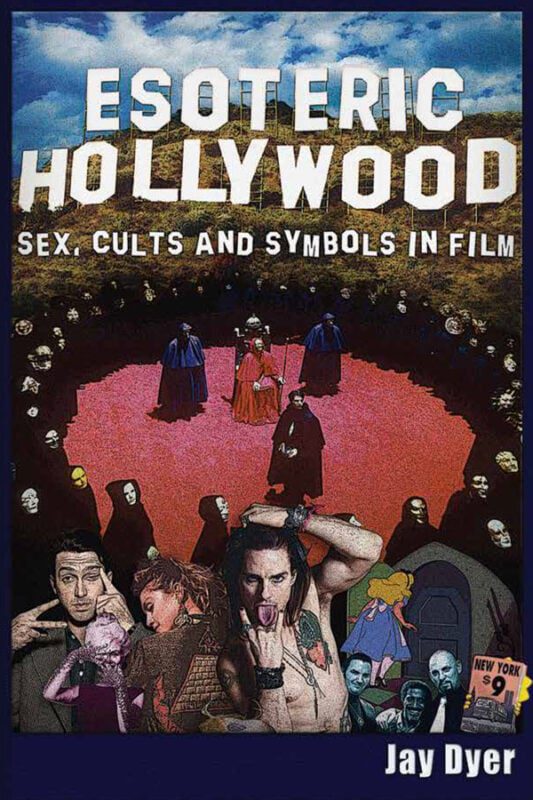
Esoteric Hollywood II: More Sex, Cults and Symbols by Jay Dyer unlocks a labyrinth of covert influence, cultural engineering, and hidden symbolism at the heart of the entertainment industry. Dyer stands as an eminent analyst and commentator, acclaimed for unmasking the mechanisms of psychological control and elite power that operate behind the spectacle of American cinema. His exhaustive research, direct style, and piercing synthesis drive this work, positioning it as a definitive source for anyone seeking to grasp how Hollywood shapes perception, manufactures consent, and participates in broader geopolitical strategy.
Hollywood as Engine of Power
Hollywood functions as an instrument of mass persuasion, systematically crafting narratives that align with the interests of government agencies, intelligence operatives, and globalist entities. Jay Dyer draws from declassified documents, firsthand sources, and critical theory to document how the Pentagon, CIA, and other institutions mold film scripts, direct plot arcs, and even embed covert messaging in widely viewed productions. Over 1,800 movies and television shows have borne the imprint of official intervention, with rewrites and narrative adjustments serving specific propaganda aims. Who benefits from this symbiotic relationship between entertainment and state power? Dyer's answer emerges from a close reading of films and the careers of the figures who shaped them: a nexus of financial elites, security agencies, and cultural gatekeepers coordinates the media environment to advance a seamless agenda of "full spectrum dominance."
Organized Crime, Money Laundering, and Studio Corruption
The roots of Hollywood’s control apparatus extend into the world of organized crime, as the book traces a century-long history of mob infiltration and money laundering through the film industry. Dyer demonstrates that film studios have operated as laundering mechanisms, funneling illicit profits from narcotics, gambling, and extortion into mainstream enterprises. High-profile cases reveal a persistent pattern of collusion between studio executives, mafia bosses, and corrupt officials. This convergence produces an economy where legitimate business, criminal syndicates, and political power reinforce one another, rendering boundaries indistinguishable. Stories of fake film projects, such as tax fraud schemes masquerading as productions, and front companies operated by intelligence agencies, materialize throughout the narrative. As Dyer establishes, the entertainment industry does not merely reflect criminal influence; it institutionalizes it through a revolving door of financiers, power brokers, and fixers.
Mind Control, Psychological Operations, and the Cultural Psyche
A core theme of Esoteric Hollywood II interrogates the relationship between cinema and the human mind. Hollywood scripts serve as vehicles for social conditioning, working in tandem with programs like MK Ultra and other classified projects designed to fragment, manipulate, and reprogram consciousness. Dyer scrutinizes how movies encode themes of mind control, hypnosis, and trauma-based programming, embedding real-life psychological warfare techniques within fictional frameworks. LSD’s introduction into Hollywood circles, guided by CIA-connected figures, marks a deliberate campaign to transform both elite and popular consciousness. Iconic celebrities underwent "therapy" and experimentation, often under the supervision of intelligence-linked psychiatrists, foreshadowing broader cultural revolutions. Film narratives, under Dyer's analysis, reveal themselves as layered operations: at once art, commerce, propaganda, and psychological weapon.
The Military-Entertainment Complex
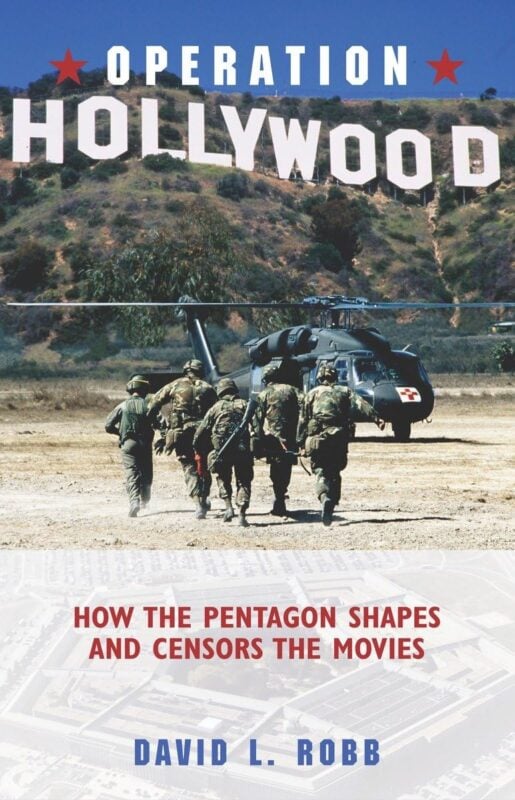
Dyer draws attention to the military-industrial complex’s deep integration into Hollywood. Films from various genres—war epics, spy thrillers, even comedies—routinely receive logistical, financial, and technical support from the Department of Defense and intelligence agencies. In return, filmmakers agree to represent military operations, foreign policy aims, and covert missions in ways that reinforce state legitimacy and normalize interventionism. Hollywood productions craft public memory, define the boundaries of acceptable discourse, and sanitize the image of controversial programs ranging from clandestine warfare to domestic surveillance. The industry’s cooperation with the military extends beyond simple script approval; entire plots pivot on classified technologies, secret operations, and real-life scandals. Dyer underscores how cinema itself becomes a theater of military and intelligence ambition, fostering public complicity through spectacle.
The Esoteric and the Occult: Symbolism as Social Programming
Esoteric Hollywood II explores the undercurrents of occult philosophy, secret societies, and ritual symbolism embedded in films and the lives of Hollywood elites. Dyer maps the influence of Freemasonry, Thelema, and other esoteric traditions onto key figures such as Howard Hughes and Jack Parsons. Ritualistic elements and arcane motifs saturate sets, scripts, and promotional campaigns. Dyer traces these patterns to deliberate choices by filmmakers, set designers, and studio executives who operate within networks informed by occult cosmology and initiatory rites. These symbols do not merely provide aesthetic flair; they signal allegiance, invoke archetypes, and function as sigils of power. Films thus operate as initiation chambers, exposing mass audiences to esoteric concepts while reinforcing the authority of hidden hierarchies.
Hollywood’s Role in Social Engineering
The entertainment industry directs public attitudes on issues such as gender, race, sexuality, and technology, crafting consensus on behalf of powerful interests. Dyer outlines Hollywood’s role in popularizing feminism, LGBTQ themes, transhumanist ideology, and technocratic governance. Scripts become battlegrounds for shaping norms, producing “nudges” that channel mass behavior and opinion. These interventions operate subtly, through character arcs, plot devices, and cinematic tropes that foster identification and emotional investment. Dyer explains how media conglomerates, operating under the aegis of a few mega-corporations, centralize the power to set agendas, marginalize dissent, and curate reality. The convergence of Big Tech, finance, and media intensifies the reach of these projects, saturating every aspect of daily life with messaging that harmonizes with global strategies.
Case Studies: Dissecting Iconic Films
Dyer’s methodical analysis targets specific films and franchises to reveal the architecture of hidden influence. The Aviator, through the character of Howard Hughes, exposes the entanglement of aerospace, intelligence, and occultism, showing how real-world power brokers use cinema to shape both history and myth. The Godfather Trilogy becomes a vehicle for exploring organized crime, Vatican banking scandals, and international intrigue, illustrating how film mirrors—and sometimes orchestrates—actual conspiracies. Chapters on Stranger Things, Ghostbusters, and Poltergeist demonstrate the persistence of occult and mind control motifs across genres and eras. Dyer parses these works with an eye for detail, documenting how references, symbols, and character arcs operate as coded language for those initiated into deeper realities.
Intelligence Fronts, Shell Companies, and Media Subversion
The book chronicles documented cases in which intelligence agencies set up shell companies, dummy studios, and fake productions as covers for espionage, sting operations, and money movement. High-profile scandals involving both law enforcement and criminals illuminate the flexibility of the entertainment business as a tool for subterfuge. Dyer details instances where the FBI, CIA, and other organizations used film as a smokescreen for surveillance, recruitment, and counterintelligence, embedding agents within creative teams and leveraging the glamour of Hollywood for operational advantage. These operations serve a dual purpose: advancing immediate tactical aims while simultaneously reinforcing the myth of the omnipotent intelligence agency, itself a product of popular cinema.
Transhumanism and the Coming Technocracy
Hollywood increasingly primes audiences for a future defined by technocratic governance, artificial intelligence, and the dissolution of traditional boundaries between human and machine. Dyer exposes how films like Tron, The Matrix, Ex Machina, and Westworld encode the philosophy of transhumanism, preparing public consciousness for the normalization of digital consciousness, bioengineering, and cyborgian evolution. These themes integrate seamlessly with state and corporate ambitions, mapping an emergent order in which technology replaces spirituality, hierarchy supersedes individuality, and humanity surrenders autonomy for perceived safety and advancement. Dyer’s argument follows the progression from cultural seeding to practical implementation, documenting how predictive programming conditions society for epochal change.
Hollywood, the Vatican, and the International Order
The narrative advances to encompass the Vatican, secret societies, and international banking cartels, illuminating how these entities interface with Hollywood’s soft power. Dyer documents historical links between religious orders, mafia networks, and entertainment moguls, culminating in stories of ritual, conspiracy, and assassination reflected in film and mirrored in reality. The Vatican’s alliance with banking dynasties and intelligence agencies produces a formidable engine for global influence, leveraging ritual, propaganda, and institutional continuity. Hollywood participates in this alliance by disseminating archetypes, crafting meta-narratives, and glamorizing figures who serve as symbols for the larger order.
The Symbiosis of Art and Manipulation
Esoteric Hollywood II reveals that film functions both as art and as a sophisticated system of manipulation. Cinematic works encode multiple layers of meaning, providing entertainment, instruction, and indoctrination simultaneously. Audiences, entranced by spectacle, receive implicit lessons about authority, possibility, and value. Dyer urges readers to question which interests orchestrate these lessons and what outcomes they serve. Do viewers recognize when a film’s storyline aligns perfectly with policy initiatives, when symbolic cues prefigure real-world events, or when cinematic catharsis resolves anxieties that derive from orchestrated crises? The answer lies in the book’s exhaustive documentation and relentless interrogation.
Enduring Impact and Relevance
Esoteric Hollywood II by Jay Dyer stands as a landmark work in cultural criticism, esoteric studies, and conspiracy analysis. Its rigor, depth, and clarity provide essential resources for researchers, theorists, and anyone determined to break free from the scripted reality constructed by the world’s most powerful institutions. By tracing the direct line from secret orders and intelligence operations to scripts, casting, and even promotional strategies, Dyer exposes the scaffolding that supports modern myth-making. The book’s findings carry practical implications for media literacy, psychological sovereignty, and civic responsibility.
Why does Hollywood, after a century of spectacle, retain such a powerful hold on the imagination? Dyer’s research compels the reader to reckon with the magnitude of unseen forces shaping the moving image. The question that remains: having glimpsed the machinery behind the curtain, will audiences seek agency, or acquiesce to the persistent hum of the projection booth? Esoteric Hollywood II challenges, informs, and galvanizes, serving as a guidebook for navigating the labyrinth of power, illusion, and control that defines the modern era.