The True Story of The Bilderberg Group
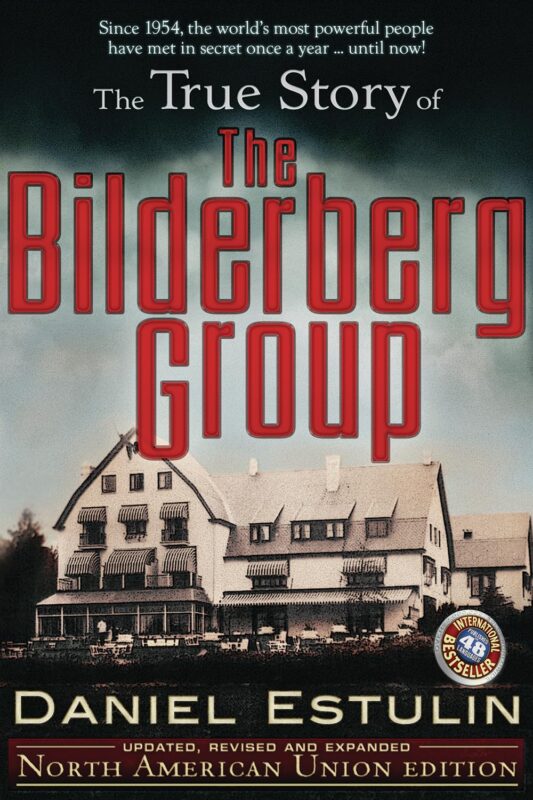
The True Story of the Bilderberg Group by Daniel Estulin uncovers the concealed operations and global influence of a clandestine collective known as the Bilderberg Group. Estulin, after a decade of investigative persistence, claims that this annual gathering of global elites—political leaders, industrial magnates, and intellectuals—functions as a shadow governance structure that steers international affairs under the radar of public accountability.
The Genesis of a Global Force
Founded in 1954 under the guidance of Prince Bernhard of the Netherlands and backed by the Rockefeller family, the Bilderberg Group originated with the aim of fostering dialogue between Europe and North America during the Cold War. From its inception at Hotel Bilderberg in Oosterbeek, the group structured itself around yearly closed-door meetings, where about 130 select participants deliberate the trajectory of global policy without press coverage or public transparency.
The Architecture of Secrecy
Why conduct these high-level conversations away from public scrutiny? The group insists on confidentiality to encourage candor and uninhibited idea exchange among participants. However, this rationale provokes critical questions: Who decides the discussion topics? What consequences arise from such concentrated power? Estulin suggests that the very design of the Bilderberg meeting—private, off-record, and elite-exclusive—breeds suspicion and undermines democratic ideals.
Mapping the Membership
The attendees range from Prime Ministers like Tony Blair to heads of multinationals like Goldman Sachs and Microsoft. Figures such as Bill Clinton allegedly attended before ascending to higher office, implying the Group’s potential role as a career-launching pad. Estulin underscores a strategic recruitment of influential figures who later advocate for policies aligned with Bilderberg objectives, particularly those fostering economic globalization and transnational governance.
Manipulating Markets and Mandates
Estulin details how discussions within the Group prefigure major geopolitical and economic shifts. He alleges that the Group orchestrates economic trends, selects leaders, and shapes policies in alignment with a unifying vision of a managed global order. For instance, the book attributes the planning of the North American Free Trade Agreement (NAFTA) to discussions from a 1991 Bilderberg meeting. These meetings supposedly pre-empt key legislative and economic developments, transforming decisions into foregone conclusions.
The Council on Foreign Relations and Trilateral Commission
The narrative expands to include the Council on Foreign Relations (CFR) and the Trilateral Commission, portraying them as complementary institutions that echo and implement Bilderberg strategies. Estulin argues that these entities maintain the ideological and operational continuity necessary for the Bilderberg agenda. They function through academic influence, media manipulation, and political placement, crafting a lattice of authority that spans national boundaries.
Media Complicity and Public Apathy
A core tenet of Estulin’s critique is the mainstream media’s silence. Despite the presence of top media executives at meetings, coverage is virtually nonexistent. This blackout, Estulin asserts, is not mere oversight but a calculated omission that protects the Group’s opacity. He challenges the journalistic integrity of outlets that lavish attention on G8 and Davos forums yet ignore Bilderberg, which he argues wields equal or greater influence.
Economic Warfare and National Sovereignty
Estulin explores how financial manipulations attributed to the Group result in national crises and social upheavals. From the alleged orchestration of economic collapses to the privatization of national assets, he posits that the Bilderberg agenda includes undermining state sovereignty to establish a supranational governance model. This model, rooted in corporate interests and financial leverage, marginalizes traditional democratic processes.
Psychological Operations and Social Control
Beyond the economic and political realms, Estulin delves into behavioral science, suggesting that the Group employs psychological operations to mold public opinion and suppress dissent. He connects institutions like the Tavistock Institute to strategies of mass manipulation, positing a controlled evolution of societal norms aligned with elite objectives.
The Ethos of Resistance
Estulin doesn’t merely chronicle power but also advocates for intellectual resistance. He encourages readers to question official narratives, educate themselves independently, and reject media-induced complacency. This ethos of defiance aligns with his broader message: reclaiming personal and national agency from covert forces.
What Lies Ahead
As global interconnectivity deepens, Estulin warns that the Bilderberg model may serve as a prototype for future global governance—a centralized, opaque system directed by an unelected elite. He calls for vigilance and transparency, asserting that humanity must demand disclosure and accountability from those who claim to chart its future. The book closes on a call to action, urging readers to consider the cost of ignorance and the power of informed citizenship.