Fabianism and Culture: A Study in British Socialism and the Arts 1884–1918

Fabianism and Culture – A Study in British Socialism and the Arts c.1884-1918 by Ian Britain establishes a direct inquiry into the interplay between socialist thought and artistic culture in late Victorian and Edwardian Britain. Ian Britain investigates the ways the Fabian Society, Britain’s most influential reformist socialist group, approached questions of art, culture, aesthetics, and education in the decades surrounding its formation. From its earliest meetings, the Fabian Society occupied a central position in British public life, drawing writers, artists, economists, and intellectuals into conversation about the nation’s future. Through close analysis of the Society’s leadership, membership, public activities, and published work, the author situates Fabianism at the heart of debates about the meaning of culture, the social role of art, and the ethical dimensions of collective action.
Origins: A Society Born of Crisis and Reflection
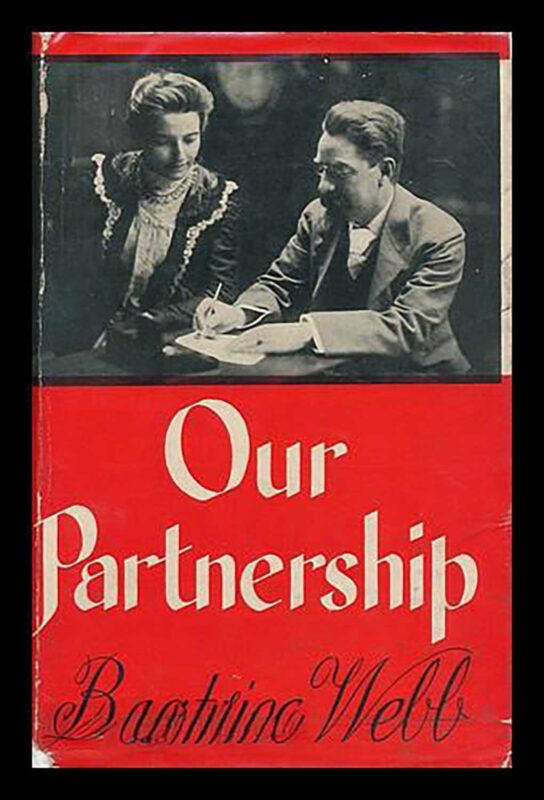
The 1880s marked a period of acute economic depression and widespread disillusionment with established liberal politics. A new generation of reformers, educated in radical philosophy and alert to the deficiencies of laissez-faire economics, sought alternatives to the status quo. As Beatrice Webb articulated, the emergence of British socialism stemmed from a growing sense of collective responsibility and a “consciousness of sin”—not in the religious sense of individual failing, but as a recognition among the educated classes that Britain’s industrial order failed to secure dignity or security for its majority. The narrative of Fabian origins connects philanthropic campaigns, literary critiques, and scientific analysis, mapping a lineage from Oastler and Shaftesbury to Dickens, Carlyle, Ruskin, William Morris, Mill, Marx, and the first Fabians. Literature and art, as much as economic theory or trade union agitation, shaped the early vocabulary and ethical concerns of British socialism.
Aesthetic Impulse and Social Vision
William Morris, John Ruskin, and other critics of Victorian capitalism deployed literary and artistic forms to expose the moral and material failures of the age. The Fabians inherited this tradition, responding to utilitarian and philistine attitudes with a renewed emphasis on imagination, beauty, and the transformative potential of collective action. Sidney Webb traced the earliest opposition to individualism to “the artistic side,” identifying the romantic poets and social critics as progenitors of socialist dissent. Fabians read widely, debated public taste, and recognized the cultural stakes of industrial change. The group’s middle-class origins anchored its dual interest in reform and refinement, prompting questions about the accessibility of art and the values underpinning national education and leisure.
Institutional Growth and Cultural Ambition
As the Society evolved, members launched lecture series, artistic performances, and educational events, embedding culture within the fabric of socialist activity. The roster of active Fabians included H.G. Wells, Bernard Shaw, Edith Nesbit, May Morris, Walter Crane, Jerome K. Jerome, and Harley Granville Barker—figures who wrote novels, designed textiles, illustrated books, staged plays, and debated the function of the arts in social progress. The Fabian Arts Group, formed in 1906, exemplified a conscious effort to integrate aesthetic pursuits with the Society’s broader mission. This group, led by Holbrook Jackson and Alfred Orage, advocated for a socialism capable of addressing both “economic and aesthetic poverty,” envisioning a social order where the craftsman and the unionist joined forces to reconstruct national life.
Debate and Diversity of Perspective
Fabianism attracted diverse personalities and attitudes, producing vigorous internal debates about the Society’s proper scope. Bernard Shaw often challenged his colleagues to expand their aesthetic horizons, claiming that discussions of art and philosophy deserved parity with political and economic questions. Letters and speeches reveal an ongoing struggle to define the relationship between cultural and social advancement. Some members, including the Webbs, professed limited expertise in the fine arts, yet supported lectures, readings, and artistic clubs within the Society. Far from imposing uniformity, the leadership embraced a principle of “Fabian individualism,” permitting members to pursue their interests across art, science, religion, and politics.
Fabian Cultural Practices and Social Life
Artistic activity shaped the social dynamics and institutional resilience of the Society. Club meetings, summer schools, subgroups, and performances gave members opportunities to experiment, debate, and collaborate outside traditional political frameworks. The Society cultivated a club-like atmosphere, particularly in London, where social and intellectual life intertwined. The presence of artists and writers among the membership fostered an environment open to new ideas, creative dissent, and mutual support. Through organized events, public lectures, and published essays, Fabians explored the role of pleasure, creativity, and culture in both their personal lives and their vision of a future socialist society.
Middle-Class Identity and the Question of Elitism
The composition of the Society reflected the changing face of the British middle class. The Fabians appealed to professionals, salaried workers, and upwardly mobile individuals, many of whom experienced economic uncertainty during the depressions of the 1870s and 1880s. This background informed the Society’s approach to elitism, culture, and democratization. Members questioned the legitimacy of imposing their tastes and values on the wider population, yet believed that the organization of society through socialism would help “defeat the forces of philistinism.” The pursuit of beauty and education for the many—rather than the few—animated campaigns for expanded access to the arts, reforms in education, and support for public institutions.
Engagement with Literary and Artistic Figures
Throughout its history, the Fabian Society attracted—and sometimes quarreled with—leading figures from Britain’s artistic and intellectual circles. William Morris lectured before the Society and maintained friendships with several early Fabians. Ruskin’s ideas featured in recommended reading lists and tracts. Bernard Shaw and H.G. Wells contributed original essays and staged interventions, both shaping and contesting the Society’s direction. The Society’s publications referenced Oscar Wilde, organized public lectures on the “non-material side of collectivism,” and debated the legacy of romanticism, realism, and aestheticism in contemporary art.
Society, Education, and the Democratization of Art
Fabians linked cultural reform with the development of a more inclusive and just society. Members envisioned the extension of education, the transformation of leisure, and the provision of public support for the arts as essential to social progress. Lectures, debates, and tracts considered questions such as: How can the arts flourish under collective organization? What obligations does society bear toward artists and creators? How might education liberate individuals to pursue beauty, knowledge, and self-realization? The Society’s emphasis on gradual, democratic change encouraged a practical, institutional approach to these challenges, advocating policy reforms alongside cultural initiatives.
Institutional Resilience and Cultural Legacy
The book traces the Society’s survival across decades of political upheaval and shifting public priorities. The resilience of the Fabians, in contrast to other socialist organizations of the 1880s, rested on their adaptability, internal diversity, and capacity to integrate new ideas. Artistic and cultural activities reinforced the club’s structure, providing cohesion during periods of ideological conflict and external pressure. Subgroups, summer schools, and informal gatherings fostered solidarity and innovation. The Society’s capacity to accommodate dissent, nurture individual talents, and maintain a commitment to both political and cultural transformation enabled it to exert influence long after the decline of its contemporaries.
Analysis of Doctrine and Pragmatism
Fabianism operated without a rigid, prescriptive doctrine regarding art and culture. The leadership refrained from establishing a unified aesthetic policy, recognizing the value of diversity, debate, and personal initiative. Publications and reports acknowledged that the Society “had no distinctive opinions” on art, marriage, or religion, emphasizing instead the importance of practical democracy and the freedom of members to pursue independent interests. The link between socialism and individual freedom, particularly in cultural matters, defined the Society’s broader philosophical orientation. This approach facilitated ongoing discussion and experimentation, ensuring that Fabianism remained a dynamic force in British cultural life.
Long-Term Influence and Reassessment
Ian Britain’s analysis asserts the importance of reassessing the cultural dimension of Fabianism within the larger history of British socialism. The book recovers the richness, complexity, and continuity of the Society’s engagement with the arts, documenting the contributions of multiple generations. Through case studies, archival research, and interpretive synthesis, the author demonstrates that culture functioned as both a resource and an arena for the development of socialist identity. The interplay between art, social criticism, education, and collective action shaped the character of the movement and influenced subsequent debates about the purpose of culture in a democratic society.
Convergence of Art and Socialism
The narrative convergence of Fabianism and culture reflects deeper patterns in British intellectual and public life. The Society’s activities generated ongoing tension between the claims of politics, the demands of art, and the imperatives of social justice. The book reveals how these tensions drove innovation, encouraged collaboration, and produced enduring institutions. As debates about the democratization of culture, the ethics of reform, and the nature of the good society continue into the present, the lessons of the Fabian Society’s engagement with art and aesthetics remain instructive. What happens when political organization and artistic aspiration move in tandem, shaping the destinies of individuals and the direction of a nation?
The Cultural Meaning of Fabianism
Ian Britain’s work clarifies the centrality of culture in the evolution of British socialism. The Society’s efforts to reconcile pleasure and discipline, individuality and collective purpose, creativity and institutional form, generated new models for thinking about politics, ethics, and the arts. Through a commitment to open debate, practical experimentation, and institutional adaptability, the Fabians articulated a vision of culture as both a means and an end—a resource for personal development and a foundation for public life. The study establishes that understanding British socialism requires attention to the aesthetic, intellectual, and social horizons within which its leaders, members, and critics pursued reform. The convergence of socialist theory, artistic practice, and cultural critique in the Fabian Society represents a defining episode in the modern history of ideas.

About the Book