Institutes of the Christian Religion
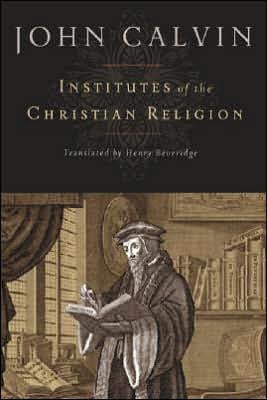
Institutes of the Christian Religion by John Calvin establishes a comprehensive architecture for Christian faith by forging an intrinsic link between knowledge of God and self-knowledge. The pursuit of wisdom reaches its apex in the recognition that the Creator’s perfections shine through both the order of the cosmos and the inner landscape of human experience. When an individual turns inward, the realization of personal limitations—of dependency, lack, and frailty—propels the mind upward toward the source of existence. God reveals his goodness and power through the endowments that sustain life, the faculties that shape thought, and the impulses that ignite conscience. The drive to understand the divine arises from the soul’s confrontation with its own insufficiency.
The Mutuality of Divine and Human Knowledge
The Institutes posit that no one can achieve a true grasp of self without encountering the presence of God. Self-examination exposes desires, failings, and a deep-rooted longing for purpose, which invites questions that penetrate beyond the material and temporal. The very act of self-reflection compels the mind to consider the origin of its capacities. God, as the sustaining ground of being, communicates his existence through the continual gifts of intelligence, will, and moral discernment. In this movement, knowledge of God and knowledge of self become inseparable: the clearer one’s perception of divine attributes, the more acute the awareness of human limits.
The Manifestation of God in Creation
God’s creative work resounds in the fabric of the universe. The heavens display order and motion, the earth teems with complexity, and the structure of the human body proclaims ingenuity beyond human invention. Calvin insists that the intricacy of each part, from the macrocosmic expanse of the stars to the microcosmic detail of bodily organs, carries evidence of deliberate purpose. The symmetry of physical systems, the variety of species, and the interdependence of living things bear marks of divine artistry. As the mind contemplates these phenomena, gratitude should well up, binding the observer to the author of creation. God, who arrays himself in the splendor of the visible world, leaves visible traces of his invisible nature in every dimension of reality.
The Imprint of the Divine in Human Consciousness
Within human consciousness, a sense of the divine—an innate awareness of God—anchors morality, aspiration, and the search for meaning. This innate sense functions as a seed that urges the mind beyond itself, pressing for answers to questions of origin, destiny, and accountability. Attempts to suppress or ignore this awareness lead to a restlessness that resists satisfaction in temporal achievements. Calvin presents conscience as an arena where the divine voice addresses each individual, convicting, directing, and reminding of the obligations inherent in creaturehood. The persistent presence of moral intuition, even when resisted or denied, attests to the reality of the Creator’s claim upon the soul.
The Consequences of Suppressing Divine Knowledge
The refusal to honor the imprint of God in conscience leads to a distortion of both religion and morality. Human pride generates false images, invents empty rituals, and diverts energy into superstitious observance. Superstition arises when curiosity seeks to define God by human measures or when worship drifts from revealed patterns into arbitrary invention. This corruption affects not only individual lives but also the collective forms of culture and society. Calvin analyzes the dynamics of this degeneration, describing how misplaced zeal for the divine becomes entangled in pride, ignorance, and stubbornness. The result is a counterfeit piety—a shadow of religion that mimics reverence while obscuring the truth of God’s character.
Providence as a Continuous Revelation
God’s providence governs the world with justice, mercy, and wisdom. The course of history, the rise and fall of nations, the fortunes of individuals—all fall within the scope of divine administration. Calvin delineates the patterns of blessing and adversity as signals of a deeper order, where God sustains, judges, and redeems according to a wisdom that transcends human calculation. The righteous experience comfort and encouragement in recognizing God’s hand in their deliverance, while the wicked encounter warnings in the disruptions and disasters that interrupt their plans. Providence never recedes into abstraction; it manifests in the concrete realities of daily life, steering the flow of events toward divine purposes.
The Role of Scripture in True Knowledge
Scripture stands as the definitive source and measure of divine knowledge. Calvin elevates the necessity of revelation, arguing that the clarity provided by the Bible alone enables people to worship God in truth and spirit. Nature, though radiant with the Creator’s glory, cannot resolve the questions that arise from human guilt, suffering, and mortality. Only through the teaching of Scripture does the fullness of God’s character, the reality of redemption, and the meaning of covenant come into focus. Calvin insists that the authority of Scripture arises not from human approval or ecclesiastical endorsement, but from the inward witness of the Holy Spirit, who impresses its truth upon the heart.
The Dynamics of True Religion
True religion expresses itself in reverence, gratitude, obedience, and love. The knowledge of God—deepened by both creation and Scripture—calls forth worship that unites awe with trust. The heart yields itself, shaped by the recognition that life, provision, and hope proceed from a personal God who desires relationship. Piety emerges as an active, continuous response—a dedication of time, attention, and resources to the service of the Creator. Calvin identifies the marks of genuine faith: submission to God’s will, reliance on his promises, and a disposition of humility before his majesty. Such faith does not retreat into private feeling, but radiates outward in acts of justice, charity, and public witness.
The Moral and Social Implications
Calvin explores how the knowledge of God transforms personal conduct and social order. The individual, awakened to the divine claim, undergoes a reorientation of desires and priorities. Selfish ambition gives way to a concern for the well-being of others. The bonds of community, family, and civic responsibility strengthen under the influence of spiritual renewal. Justice, mercy, and stewardship become expressions of gratitude, enacted within the structures of society. The Institutes outline the formation of a people who see their lives as instruments for manifesting God’s glory in the world, shaping institutions and customs according to principles derived from divine law.
The Vision of the Human Person
Calvin’s anthropology affirms the dignity, potential, and responsibility of the human person. Created in God’s image, endowed with faculties for reason, creativity, and ethical discernment, the individual participates in the ongoing drama of redemption and restoration. Yet the narrative of the Institutes recognizes the depth of human brokenness—traced to the primordial rebellion that fractured the harmony of creation. The drama of sin, guilt, and estrangement unfolds within the wider context of God’s unwavering intention to reclaim and heal. Calvin sees in the restlessness of the heart, the search for purpose, and the longing for reconciliation, the persistent echo of the Creator’s voice calling humanity home.
The Hope of Fulfillment and Judgment
The order of the world and the course of human history do not exhaust their meaning within the boundaries of the visible present. The Institutes present a teleological vision: creation moves toward fulfillment, and history converges upon judgment. The righteous find in present adversity the assurance of future vindication; the wicked encounter the promise of accountability. This anticipation of final resolution grounds the Christian life in hope, sustaining endurance amid suffering and shaping moral choices in light of eternity. The interplay of mercy and justice, patience and severity, forms the backdrop for Calvin’s vision of God’s kingdom—unfolding through time and culminating in the restoration of all things.
Conclusion
Institutes of the Christian Religion orchestrates an argument for the centrality of divine knowledge in personal, social, and cosmic renewal. Calvin articulates a vision in which God initiates, sustains, and consummates a redemptive relationship with humanity, inviting responsive trust, worship, and transformation. The order and beauty of creation, the testimony of conscience, the discipline of providence, and the revelation of Scripture converge to draw individuals and communities toward the Source of life and the Author of meaning. The Institute’s lasting influence arises from its structural coherence, narrative progression, and theological depth—establishing a foundation for faith that addresses the complexities of existence while directing the heart and mind toward the glory of God.