Area 51: An Uncensored History of America’s Top Secret Military Base

Area 51: An Uncensored History of America's Top Secret Military Base by Annie Jacobsen shatters the opacity surrounding the United States' most mysterious military site by weaving decades of testimony, newly declassified records, and on-the-ground reporting into a portrait of secrecy, ambition, and scientific innovation. Jacobsen establishes Area 51 as a unique intersection of government ambition, technological prowess, and the evolving American imagination.
The Genesis of Secrecy
Area 51 originated as a remote outpost north of Las Vegas, bounded by the immense Nevada Test and Training Range, a landscape that harbored atomic detonations and the United States’ most audacious experiments in military science. Presidential orders and Congressional mandates initiated the building of an infrastructure designed to conceal, control, and perfect weapons of unprecedented magnitude. The Manhattan Project’s legacy cascaded directly into Area 51’s operational philosophy, instilling a doctrine of compartmentalized knowledge and the fierce protection of “need-to-know” boundaries. As a result, the Atomic Energy Commission, later the Department of Energy, established jurisdictional authority that could exclude even presidents from classified knowledge, giving rise to the term “born classified.” The management of information itself became a core function, shaping not just projects but the very concept of secrecy as a lever of statecraft.
Black Projects and Bureaucratic Power
The atomic age demanded organizational power capable of absorbing new threats and acting decisively on technological opportunities. Area 51’s administrators channeled the lessons of the Manhattan Project into new “black projects”—initiatives developed and executed beyond Congressional or even presidential scrutiny. These projects occupied the most secure spaces within the range and drove scientific inquiry toward both practical and theoretical horizons. The U-2 spy plane and its successors, such as the A-12 Oxcart, emerged from this crucible, representing both the apex of aerial espionage and the institutionalization of the black budget. The facility’s airspace, known as the Box, became sacrosanct; its boundaries demarcated by radar installations, security patrols, and the absolute prohibition of unauthorized observation. Decision-making authority in this context flowed upward through classified channels, privileging scientific creativity and operational agility but extracting immense costs in terms of oversight and ethical control.
Nuclear Ambitions and Environmental Consequence
Area 51’s proximity to the Nevada Test Site anchored it in the nuclear arms race. Test detonations sent shockwaves across the region, contaminating vast tracts of land and infusing the environment with persistent dangers. The base maintained the largest stockpile of weapons-grade plutonium and uranium outside nuclear laboratories, and the repeated detonation of atomic devices—over 900 in the adjacent test site—created a landscape of craters, toxic soil, and restricted access. Military and scientific leaders gauged the utility of these weapons through orchestrated destruction, using animals and decommissioned ships as proxies for the effects on human life. The doctrine of nuclear superiority dictated operational tempo, shaping both the physical plant of Area 51 and the psychology of its personnel. As the threat of Soviet nuclear capability grew, the urgency of testing, development, and deterrence shaped the base’s mission and justified the relentless expansion of classified research.
Technological Frontiers and Human Agency
From its earliest years, Area 51 attracted scientists, engineers, and contractors willing to accept secrecy as the price of participation in world-changing work. The culture of innovation depended on psychological discipline, security clearances, and the willingness to pursue technology beyond established limits. The institution of secrecy oaths, legal instruments, and the threat of criminal prosecution forged a bond among participants, compelling compliance and discouraging indiscretion. Test pilots, weapons engineers, radar operators, and logistics coordinators all played roles in the complex choreography of experimentation and deployment. The base’s unique geography—a flat dry lake bed surrounded by mountain barriers—permitted flight tests, munitions assembly, and the continual adaptation of hangars, runways, and living quarters. Administrators recruited elite contractors, such as EG&G, whose reach extended through the logistical and operational lifeblood of the facility. The collective enterprise of Area 51 rested on this fusion of individual expertise and institutional will.
Espionage and Strategic Calculation
Aerial espionage became a signature endeavor at Area 51. The necessity of collecting intelligence on Soviet installations drove innovation in high-altitude, high-speed reconnaissance platforms. The U-2 and A-12 Oxcart programs illustrated the convergence of scientific genius and bureaucratic maneuvering. The demand for information about adversarial nuclear capabilities, missile launches, and troop movements animated the development of sensors, cameras, and stealth technologies. Security protocols dictated that the few agencies and individuals briefed on these projects operate with minimal documentation, relying on oral communication and need-to-know compartmentalization. These strictures, while optimizing operational security, fostered an insularity that influenced both culture and decision-making at the highest levels.
Mythmaking and the American Imagination
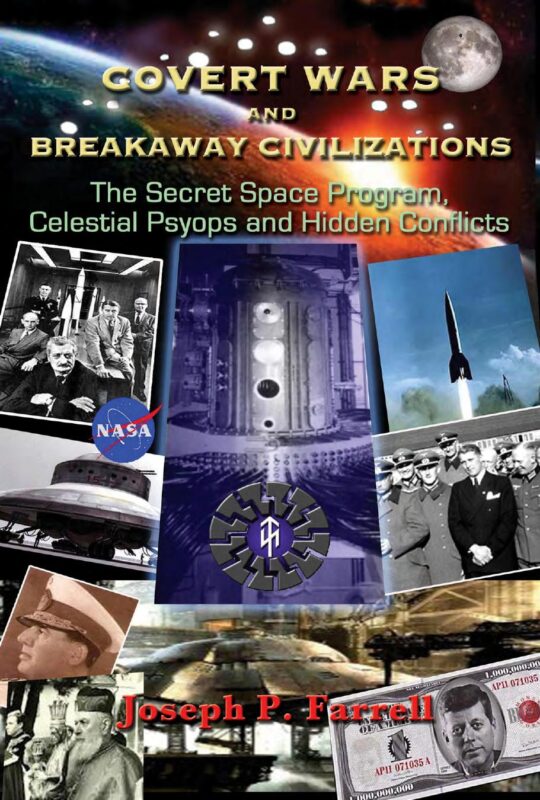
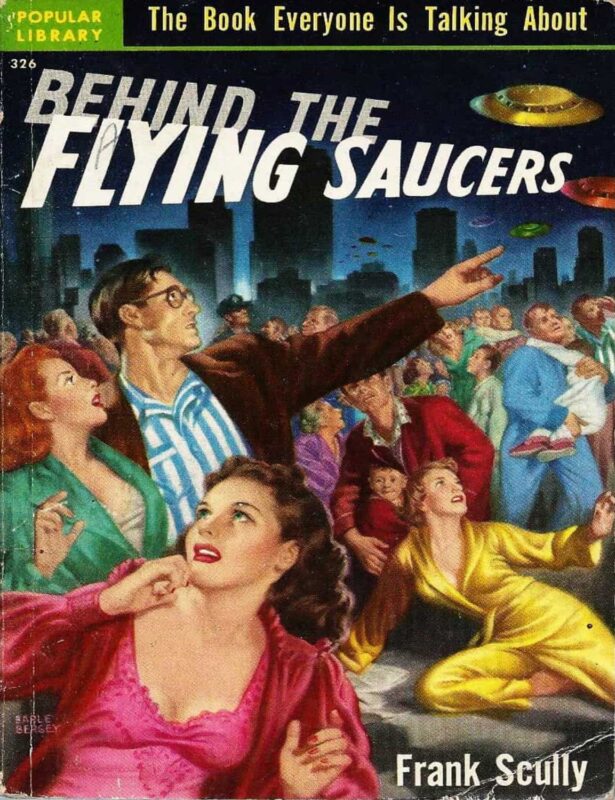
The stories emanating from Area 51 quickly migrated beyond the classified sphere into the popular imagination. Bob Lazar’s claims in the late 1980s—asserting that he reverse-engineered alien craft at a hidden facility known as S-4—transformed Area 51 from a military test site into the locus of alien conspiracy. Media coverage, television documentaries, and movies amplified these narratives, reframing the base’s legacy in the context of extraterrestrial contact and government cover-ups. Cultural products, from blockbuster films to video games, elevated the symbols of Area 51—flying saucers, autopsy rooms, clandestine runways—into global myth. The blending of genuine historical secrecy with speculative fiction created a feedback loop, perpetuating intrigue and drawing new generations of enthusiasts, skeptics, and researchers into the search for meaning behind the perimeter fence.
Psychology of Secrecy and Social Control
Secrecy at Area 51 evolved into a principle that shaped individual behavior and institutional culture. The demand for silence—reinforced through legal contracts, surveillance, and the threat of retribution—created a closed society where rumors proliferated and suspicion governed interaction. The book demonstrates how even minor breaches could trigger severe consequences, including termination, legal action, and surveillance. The psychological weight of secrecy influenced decision-making, producing loyalty and stress in equal measure. High-profile incidents, such as the pursuit and exposure of Bob Lazar, underscored the risks of disclosure and the power of the secrecy apparatus to enforce conformity.
The Interplay of Fact and Folklore
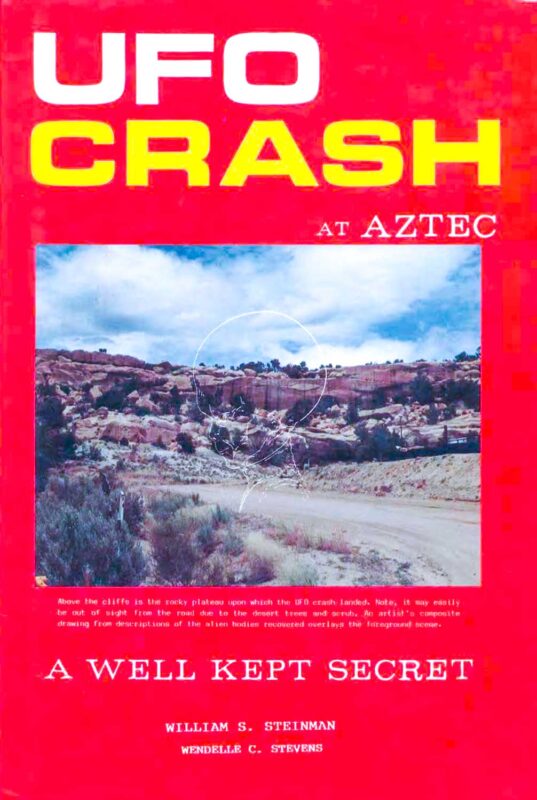
Witness testimony, declassified records, and investigative reporting converge in Jacobsen’s account, revealing patterns of concealment and revelation. The Roswell incident, previously a minor entry in the annals of UFO history, became elevated in public consciousness through persistent inquiry and the narrative momentum generated by Area 51 revelations. The stories of military police loading crates, coroner requests for child-sized coffins, and government threats against townspeople formed a tapestry of intrigue that further deepened the aura of the unknown. As new whistleblowers and researchers added detail, the boundaries between historical fact and collective mythology became porous, enabling a culture in which speculation and evidence mutually reinforce the sense of enduring mystery.
Leadership, Ambition, and Ethical Dilemmas
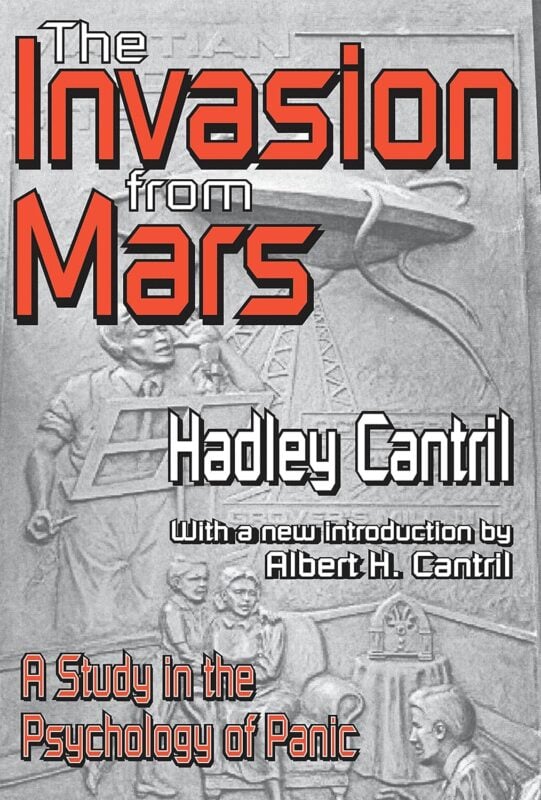
The ambitions of military leaders such as Curtis LeMay and scientific visionaries like Vannevar Bush drove the expansion of Area 51’s mission. LeMay’s advocacy for a robust nuclear strike capability, the development of the hydrogen bomb, and a vast bomber fleet reflected a strategic calculus predicated on overwhelming force. Bush, as the architect of the Manhattan Project, recognized the dangers of public panic and the necessity of information control. Their legacies shaped the institutional framework of Area 51, embedding both technological boldness and the imperative of secrecy into the DNA of the facility. Scientists and engineers working under their guidance accepted the ethical ambiguity of their work, balancing patriotic duty against the implications of unchecked power and constrained oversight.
The Evolution of Black Budget Operations
As the decades advanced, Area 51 became the template for black budget operations—government initiatives shielded from public and legislative scrutiny. Funding mechanisms developed for nuclear and espionage projects matured into systems capable of sustaining long-term, open-ended research and development in advanced weapons, surveillance, and propulsion systems. Contractors, both corporate and individual, adapted to a culture that rewarded secrecy, innovation, and loyalty. The emergence of new agencies—the National Reconnaissance Office, the National Security Agency, the Defense Intelligence Agency—broadened the ecosystem of clandestine research, reinforcing the operational philosophy pioneered at Area 51.
Convergence of Science, Power, and Secrecy
Jacobsen’s narrative demonstrates how Area 51 emerged as a point of convergence for science, power, and secrecy. The imperative to dominate through knowledge and technology created an environment where institutional structures supported risk-taking, rapid adaptation, and information dominance. The costs—ethical, environmental, psychological—remain indelible, woven into the land and the lives of those who served there. The mythos that now surrounds Area 51, animated by stories of aliens and flying saucers, owes as much to the realities of state secrecy as to the peculiarities of American cultural production. The narrative’s tension arises from this interplay—between what occurred inside the fence and what the world imagines.
Area 51 stands as a living archive of America’s pursuit of technological superiority and strategic advantage. Its history, as chronicled by Annie Jacobsen, reveals the persistence of secrecy as both a tool of power and a source of fascination. How does a nation navigate the boundary between security and transparency? Where does the line fall between justified concealment and the erosion of public trust? Jacobsen’s exploration offers no easy answers, but her account compels readers to confront the realities and consequences of a world built on secrets. As the story of Area 51 continues to unfold, the legacy of innovation, ambition, and uncertainty endures, inviting ongoing inquiry into the meaning and cost of the unknown.