The Dark Side of Camelot
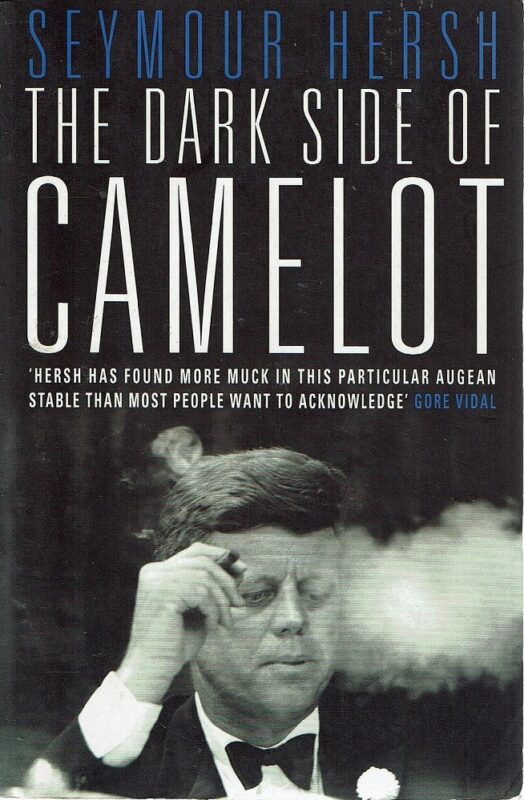
The Dark Side of Camelot by Seymour Hersh dismantles the mythos surrounding John F. Kennedy’s presidency by excavating the hidden levers of power, secret operations, and the clandestine personal life that shaped the Camelot era. Hersh constructs a narrative of audacious risk, familial strategy, and calculated deception, revealing the structural forces behind the Kennedy image and its enduring legacy.
Legacy of Secrecy Begins in Crisis
John F. Kennedy’s assassination on November 22, 1963, did not merely shock a nation—it triggered a cascade of urgent concealment. Robert F. Kennedy, the president’s brother and attorney general, did not hesitate. He notified McGeorge Bundy, national security adviser, to change the locks on the president’s secret files, aiming to protect the Kennedy legacy from Lyndon Johnson’s incoming administration and potential public exposure. Within hours, trusted staff removed evidence—files, logs, and secret tapes—from the White House, orchestrating a cover-up designed to shield the family’s secrets from scrutiny.
Architects of Influence
The Kennedys learned secrecy and audacity from their patriarchs. Joseph P. Kennedy, father to Jack and Bobby, taught his sons how to use power as both shield and sword, hiding financial dealings and cultivating a belief that Kennedys enjoyed freedoms and impunity denied to others. Honey Fitz Fitzgerald, their maternal grandfather, embodied political survival through strategic ignorance of scandal and relentless focus on public success. The book explores how these lessons shaped Jack and Bobby’s ability to operate above conventional constraints, maneuvering political, personal, and legal risks as a matter of family culture.
A System for Concealing Scandal
Bobby Kennedy’s swift action after the assassination protected far more than personal reputation. The files concealed evidence of direct Kennedy involvement in CIA assassination plots against Fidel Castro, Patrice Lumumba, Rafael Trujillo, and Ngo Dinh Diem. These records did not merely implicate the president in covert actions—they documented the administration’s willingness to wield violence as an instrument of foreign policy. Hersh identifies how knowledge of these plots converged with the imperative to shield the Kennedy family from future prosecution or scandal, setting in motion cover-ups that would outlast the administration itself.
The 1960 Election and the Mob Connection
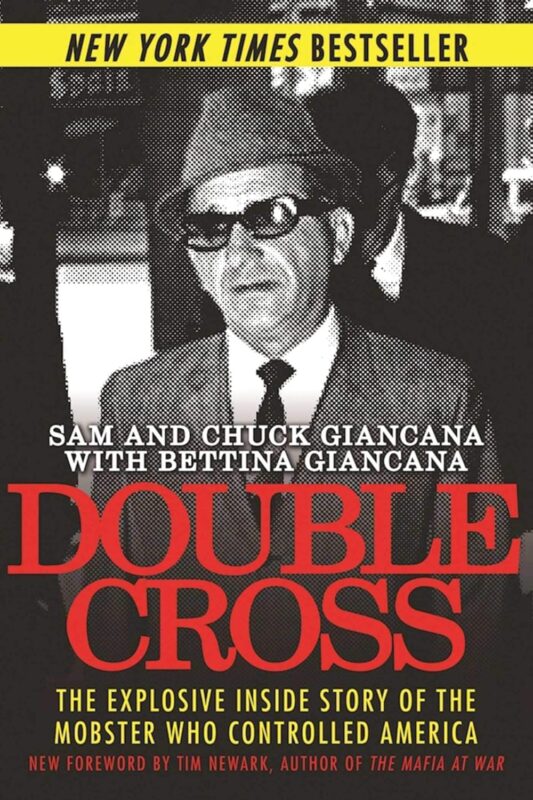
Kennedy’s 1960 presidential campaign drew support from organized crime, especially Sam Giancana and Chicago’s criminal networks. Frank Sinatra, the entertainer with deep mob ties, acted as intermediary. Giancana provided funding and muscle in crucial states, swaying the narrow outcome in Illinois and elsewhere. Hersh details a clandestine meeting between Joseph P. Kennedy and Giancana, facilitated by a prominent judge, cementing the alliance that shaped the final outcome. Bobby Kennedy’s Justice Department received allegations of vote fraud post-election, but the department took no action. The book asserts: the 1960 election was stolen, orchestrated by the very forces later targeted by the administration’s legal apparatus.
Money, Favors, and Corruption
As the administration prepared for re-election, Hersh documents a pattern of financial impropriety. Friends and journalists, like Charles Bartlett, warned JFK that campaign contributions vanished into the hands of trusted operatives, with no records or accountability. Kennedy’s team diverted cash for personal gain, and intermediaries like Judith Campbell Exner delivered cash from California businessmen to JFK himself. These businessmen sought lucrative federal contracts, embedding transactional relationships deep within the White House. Bobby Kennedy’s own investigations yielded affidavits and direct evidence, compelling him to remove all trace of such activities before Johnson’s team could inherit them.
Health, Vulnerability, and the Public Lie
Kennedy constructed a public persona of youthful vigor and robust health, but the reality diverged sharply. Hersh lays bare the truth: JFK suffered from Addison’s disease, requiring constant cortisone treatment. He endured chronic venereal disease, managed by repeated high-dose antibiotics. His dependency on amphetamines, supplied by Dr. Max Jacobson, became a source of friction with aides and alarm for Secret Service agents. These medical secrets, if revealed, would have undermined his political standing and personal mythology, making their concealment an absolute priority for those managing his legacy.
The Hidden Mechanisms of Surveillance
JFK personally directed the installation of secret tape-recording systems in the Oval Office, Cabinet Room, and his private quarters. Robert I. Bouck, a senior Secret Service agent, installed and maintained the devices, known only to a select few. Kennedy controlled the system with hidden switches and recorded at least two hundred reels of sensitive material over sixteen months. Immediately after the assassination, Bouck and other trusted agents dismantled the system and removed the tapes, ensuring that no evidence fell into Johnson’s hands. The tapes remained under family control for years, their contents a matter of speculation and legend.
Sexual Compulsions and Risks
Kennedy’s presidency incubated a culture of sexual excess and personal risk. David Powers, his personal aide, orchestrated the arrival of women—sometimes paid prostitutes, sometimes socialites—into the White House without prior Secret Service vetting. Hersh records testimonies from agents and insiders, describing near-daily sexual liaisons and reckless disregard for protocol. The president’s sexual partners included a West German military attaché’s wife, suspected by Republican senators of being an East German intelligence agent. The subsequent panic prompted RFK and J. Edgar Hoover to orchestrate the woman’s rapid departure from Washington, forestalling Congressional and FBI investigations.
JFK’s sexual recklessness held tangible consequences. In September 1963, during a West Coast trip, he tore a groin muscle while with a sexual partner. The medical team prescribed a stiff, constraining brace, which—when combined with his usual back brace—rendered him unable to react instinctively to the assassin’s bullet in Dallas. The brace’s presence remained unacknowledged in the public autopsy report, the injury’s cause omitted, and the physical evidence quietly archived.
Family Dynamics and Emotional Detachment
Jack Kennedy’s formative years shaped his appetite for risk and his penchant for emotional detachment. Born frail, plagued by illness, and hospitalized repeatedly as a child, Jack learned to charm caregivers and command attention. His father, Joe, viewed his son’s survival as evidence of destiny, driving Jack to relentless achievement. Friends recall a young man who compensated for physical weakness with charisma, humor, and the pursuit of experience. His relationship with his mother, Rose Kennedy, remained distant—Jack rarely spoke of her, confiding instead in his father and brother.
Women who loved Jack Kennedy described his relationships as transactional and compartmentalized. They spoke of the thrill of his attention but recognized, often in hindsight, the lack of emotional intimacy. Once a woman entered the “sex compartment,” she ceased to exist for him as an individual. The Kennedy code prioritized conquest and secrecy, with friends and aides enabling the president’s behavior and cleaning up behind the scenes.
Network of Male Loyalty
Men gravitated toward Kennedy’s orbit, seeking approval, inclusion, and access to power. Senators, friends, and operatives measured their worth by their ability to serve, entertain, or amuse him. Kennedy rarely tolerated boredom; his impatience spurred action and strategy sessions, often excluding women from substantive engagement. Even closest aides, such as Ted Sorensen, risked personal discomfort and professional sacrifice to remain in Kennedy’s good graces. The president’s male friendships reinforced the family’s sense of embattlement, loyalty, and insularity, while simultaneously marginalizing those who fell out of favor.
Manipulation of Media and Myth
Kennedy mastered the art of public perception. Journalists, aspiring for proximity to the president, suppressed damaging information. The media’s reluctance to report on his personal life, infidelities, and health issues allowed the Kennedy myth to grow, largely unchallenged during his lifetime. Hersh reveals how JFK’s father manipulated bestseller lists by purchasing thousands of copies of Profiles in Courage, ensuring its prominence and the cultivation of intellectual credibility. The administration’s skillful management of image extended to the orchestration of photo-ops, selective access for journalists, and calculated leaks, shaping both contemporary opinion and historical memory.
Aftermath and Long Shadow
The cover-up orchestrated after Kennedy’s assassination succeeded in preserving the family legacy for decades. The files, tapes, and visitor logs that vanished on November 22, 1963, removed the raw material that could have rewritten the story of Camelot in real time. The Special Group for Counterinsurgency, the most secure section of the White House complex, became the final repository for the president’s personal evidence, guarded and concealed as vigilantly as any national secret.
The revelations of The Dark Side of Camelot do not merely challenge the mythology—they redefine the causal structures that produced one of the most iconic presidencies in American history. Hersh asserts that the Kennedy administration operated through a convergence of familial loyalty, clandestine operations, sexual compulsion, and institutional manipulation, each reinforcing the others. The system Kennedy built proved unsustainable, its maintenance requiring ever greater deception and risk.
Enduring Questions of Power and Legacy
What does power demand of those who wield it? The Kennedy example asserts that influence, unchecked by transparency or constraint, generates its own code—one that prizes secrecy, rewards loyalty above candor, and justifies risk in the pursuit of legacy. Hersh’s account transforms the legacy of Camelot from a simple narrative of heroism and tragedy into a study in the uses of power, the costs of deception, and the enduring impact of structural secrecy on the American political imagination.

https://youtu.be/Z1AW5Q42nXQ