The Devil’s Chessboard: Allen Dulles, the CIA, and the Rise of America’s Secret Government
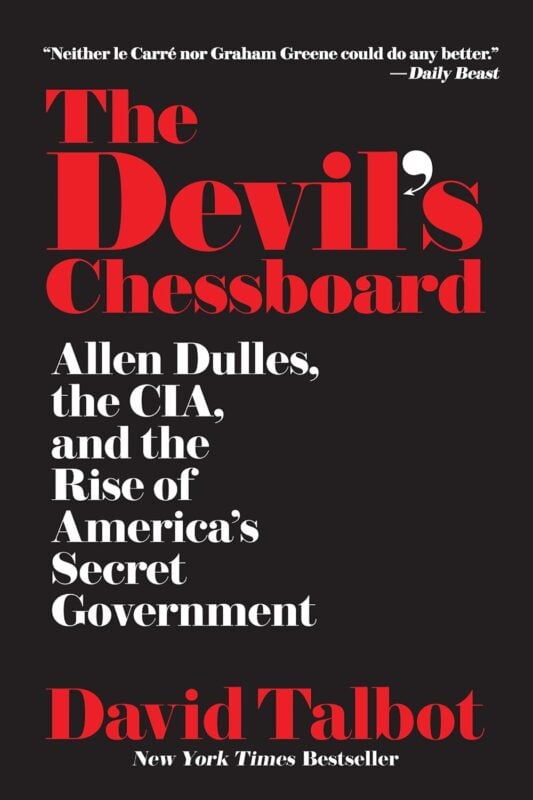
The Devil’s Chessboard by David Talbot reveals the architecture of America’s postwar secret government through the figure of Allen Dulles, the longest-serving CIA director, and the network of financiers, spymasters, and oligarchs who shaped U.S. foreign policy from behind closed doors. Talbot draws from archival material, interviews, and diaries to trace Dulles’s operations from World War II through the Cold War and into the era of John F. Kennedy’s presidency.
Allen Dulles: From OSS to Covert Sovereign
Allen Dulles entered Switzerland in November 1942, minutes ahead of the Nazi closure of the border. He stepped not into hiding but into familiar company. Bern, saturated with espionage and financial intrigue, welcomed him with open doors. Dulles revived old relationships with Nazi industrialists, financiers, and aristocrats—ties built through his Wall Street firm, Sullivan and Cromwell. These connections shaped his operational stance during his tenure with the OSS and later as CIA director.
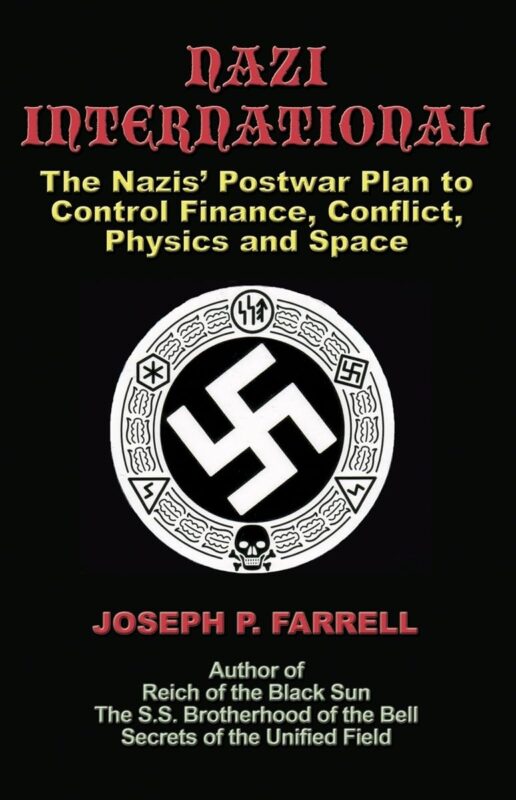
He did not use covert strategy to subvert Nazi Germany. He worked to preserve it. He opposed the unconditional surrender policy forged at Casablanca. He negotiated with emissaries of Heinrich Himmler and other Nazi officials to secure postwar power arrangements that would protect industrial assets and suppress Soviet expansion. These efforts undermined Roosevelt’s war goals and empowered former Nazi elites to reintegrate into the financial and security fabric of Europe.
Engineering Postwar Power from Bern
Allen Dulles used his station in Bern not to fight the Axis but to reposition German industrialists as Cold War allies. His relationship with Thomas McKittrick, president of the Bank for International Settlements, enabled the covert transfer and laundering of Nazi assets. The bank functioned as a branch of the Reichsbank, helping IG Farben, Krupp, and other German conglomerates protect their wealth from Allied seizure.
The Dulles brothers served as legal and logistical architects for these firms. John Foster Dulles continued to advise Nazi-linked corporations from New York. Allen blocked investigations, destroyed incriminating records, and facilitated the movement of Nazi officials through the “ratlines” to Latin America and the Middle East.
Shaping the CIA: Instrument of Invisible War
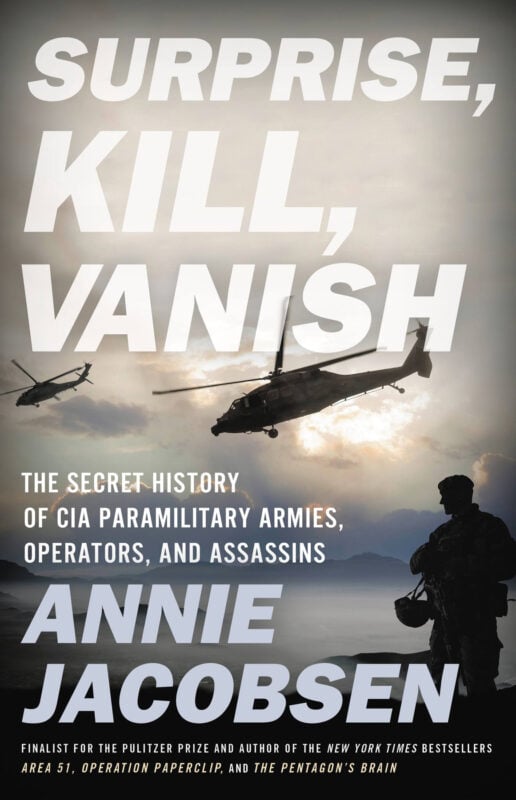
Allen Dulles transformed the CIA into a clandestine arm of imperial policy. He oversaw coups in Iran and Guatemala, backed death squads in Latin America, and experimented with chemical and psychological manipulation through programs like MK-Ultra. He trained foreign assassins, destabilized elected governments, and installed client regimes that served U.S. business interests.
His worldview aligned with a narrow elite. Democracy, to Dulles, required management by those who understood power. He saw presidents as temporary administrators of a deeper structure—one built in Wall Street firms, cemented in wartime alliances, and operated through intelligence networks. His loyalty flowed to the informal board of bankers, industrialists, and spymasters with whom he shared history and purpose.
The Kennedy Rejection
John F. Kennedy inherited this machinery. He chose to retain Allen Dulles at the CIA despite conflicting ideologies. Kennedy opposed nuclear brinkmanship and sympathized with national liberation movements. He challenged the framework that Dulles had constructed. The rupture became irrevocable during the Bay of Pigs invasion.
Dulles designed the operation to box Kennedy into escalation. He expected the president to commit U.S. air power once the invasion faltered. Kennedy refused. He withheld military intervention, rejected the CIA’s strategic framing, and terminated Dulles’s leadership. The fallout from this decision unmasked the deeper war within the American state.
An Intelligence Network Untethered
Dulles’s departure did not end his influence. He convened with active CIA officers at his Georgetown home. He hosted Cuban exiles, military strategists, and political insiders. He met with Paulino Sierra Martinez, a Cuban exile with links to the Mafia and U.S. corporate interests in pre-revolutionary Cuba. Sierra would later surface in investigations of conspiracies against Kennedy.
Dulles cultivated a parallel government. He continued to shape foreign policy through informal networks and covert actors. He maintained alliances within the military-industrial complex, recruited from former intelligence officers, and operated with the discretion of a figure who had long ceased to acknowledge presidential authority.
The Road to Dallas
In the months before the Kennedy assassination, the frequency and strategic intensity of Dulles’s meetings increased. After the assassination, he pressed President Lyndon Johnson for a seat on the Warren Commission. He shaped its investigation, directed its focus, and suppressed evidence that pointed toward intelligence involvement.
The commission operated under his shadow. He obstructed efforts to interrogate CIA witnesses or follow leads into anti-Castro plots involving American operatives. He framed Lee Harvey Oswald as a lone gunman and steered the public away from systemic inquiry. The most powerful suspect in Kennedy’s murder became the investigator of record.
The Structure of Secret Government
Talbot defines Dulles’s power not by office but by structure. Dulles presided over a permanent intelligence class that persisted across presidencies. He installed loyalists in key positions, created a revolving door between intelligence and finance, and manipulated information flows to sustain elite consensus.
He treated secrecy as strategy. He masked operations beneath layers of legal insulation, off-the-books assets, and front organizations. He operated through informal clubs, private institutions, and think tanks. His Georgetown residence became a command post. His alliances defined the operational perimeter of U.S. foreign policy.
Legacy of Control
Dulles institutionalized covert intervention, mind control research, and political assassination. He seeded these capabilities across CIA branches and foreign agencies. His legacy included the normalization of extraordinary rendition, global surveillance, and unaccountable paramilitary activity. He embedded these tools into the architecture of national security.
He did not disband these systems after retirement. He extended their reach through successors, protégés, and shadow networks. His decisions shaped the trajectory of postwar geopolitics, installed foreign dictators, and silenced internal dissent. He shaped the conditions under which democracy functioned.
The Dulles Doctrine
Allen Dulles viewed liberal governance as a useful façade. He designed policy to protect elite interests. He weaponized intelligence to preserve economic and geopolitical control. He did not recognize the authority of elected leaders when their objectives conflicted with those of the transnational elite.
He recruited from law firms, universities, and business schools. He used covert operations to enforce strategic continuity. He believed that legitimacy derived from outcomes, not public consent. His career advanced through deception, discretion, and ideological certainty.
Toward Reckoning
The Devil’s Chessboard calls for historical reckoning. The archive of Dulles’s actions extends across continents and generations. His fingerprints appear on the Bay of Pigs, the coups in Iran and Guatemala, the development of MK-Ultra, and the operations surrounding Kennedy’s assassination.
His legacy persists in the methods, doctrines, and institutional culture of the CIA. His philosophy remains embedded in national security policy. His shadow haunts the architecture of American power. Without confronting the depth of his influence, democratic accountability remains a fiction. Talbot asserts that the restoration of constitutional governance demands a full confrontation with the Dulles system.