Barry & ‘the Boys’: The CIA, the Mob and America’s Secret History
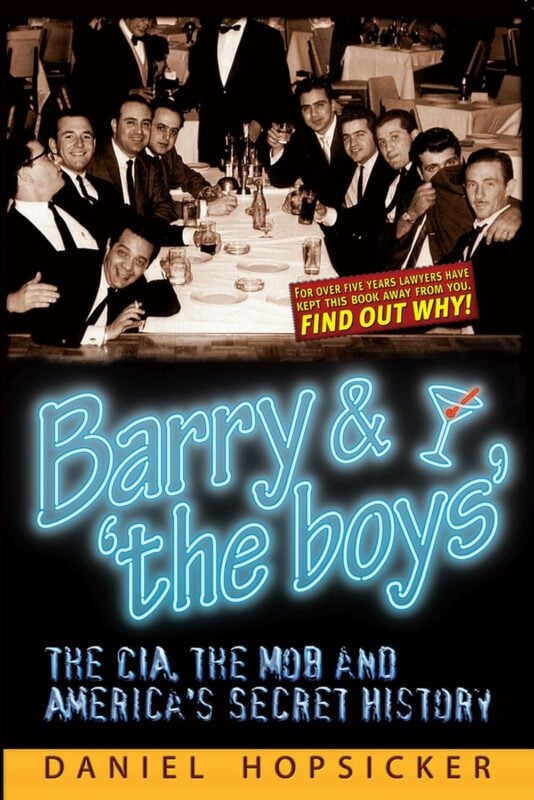
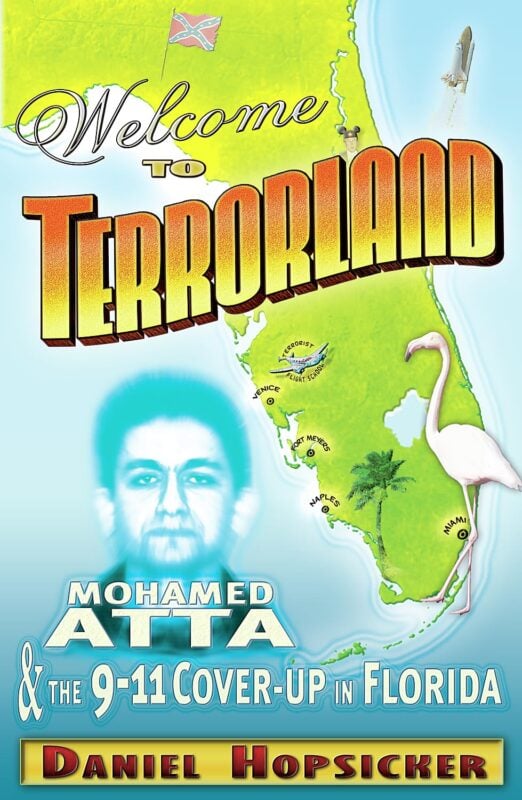
Barry & ‘the Boys’ by Daniel Hopsicker unveils the secret life of Barry Seal, who operated as both the most prolific drug smuggler in American history and a covert agent in the employ of U.S. intelligence. Through a decade of research, interviews, and document analysis, Hopsicker reconstructs a shadow history that links Seal to major events in American political life, from the Kennedy assassination to the Iran-Contra affair.
The Origins of a Covert Career
Barry Seal entered covert operations through the Civil Air Patrol in Louisiana, where he trained alongside Lee Harvey Oswald under David Ferrie. Seal’s early missions involved gun-running to Fidel Castro during the revolution and, later, supporting CIA-backed Cuban exiles during the Bay of Pigs invasion. These formative experiences established his credentials within clandestine networks, aligning him with CIA handlers and organized crime figures.
By the 1970s, Seal had developed operational expertise in flying narcotics and arms under radar. His connections expanded to include New Orleans Mafia boss Carlos Marcello and other major players in the Southern underworld. His relationships with covert operatives deepened, linking him to the logistical pipelines that would later define the Mena, Arkansas operations.
Seal and the Mena Enterprise
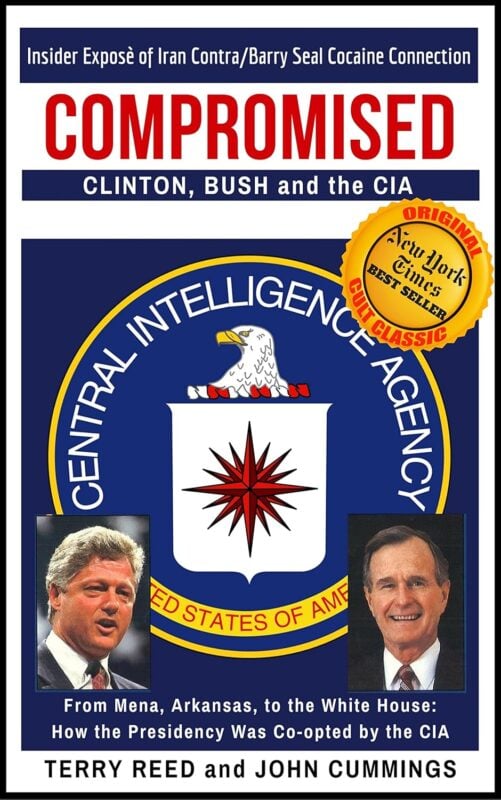
The core of Hopsicker’s investigation centers on Mena, Arkansas, where Seal operated an airstrip used for trafficking cocaine into the United States and weapons into Central America. Seal's fleet of aircraft delivered thousands of kilos of cocaine from Colombia and returned with arms for the Contras, an anti-communist insurgent group supported by the Reagan administration. These flights generated an estimated $9 million per week.
This operation was not rogue. Hopsicker identifies a structured support network involving the CIA, elements of the DEA, and powerful political figures. State-level protection came from Arkansas politicians who facilitated Seal’s activities. Federal protection emerged in the form of obstructed investigations, judicial leniency, and the quick suppression of journalistic inquiries.
Covert Logistics and Political Protection
Seal used a modified C-123 military cargo plane, fitted with hidden cameras, to document drug transactions with Sandinista officials and Colombian traffickers. The Reagan administration used these photographs in a televised address to claim that Nicaragua’s government was complicit in drug trafficking. This operation had dual purposes: damage the Sandinistas and consolidate Seal’s utility as a political and covert asset.
At the same time, Seal’s cargo runs served the infrastructure of the Iran-Contra pipeline, which facilitated the illegal sale of arms to Iran and funneled the proceeds to Contra rebels. Hopsicker traces the aircraft logistics to front companies linked to the CIA and shows how aviation firms involved in Seal’s operations later surfaced in post-9/11 flight training scandals in Florida.
The Assassination and Its Aftermath
On February 19, 1986, Barry Seal was shot dead outside a halfway house in Baton Rouge, Louisiana. The killers used MAC-10 machine pistols with silencers, executing Seal in a highly coordinated strike. Within hours, federal agents seized the contents of Seal’s Cadillac, including briefcases and boxes filled with documents, some allegedly identifying Swiss bank accounts tied to top U.S. officials.
The FBI’s seizure of evidence undermined local jurisdiction and obstructed prosecution. Hopsicker presents firsthand accounts suggesting that the operation to silence Seal was orchestrated by elements within the U.S. government, alarmed by his threat to expose covert operations involving Vice President George H. W. Bush and Lt. Col. Oliver North.
Seal had reportedly told associates that he would testify about the drug and arms trafficking run out of Mena. Days before his death, he allegedly warned that if anything happened to him, top officials should be investigated. The cover story pinned his death on the Medellin cartel, citing revenge for Seal’s betrayal. Hopsicker refutes this with evidence showing simultaneous assassinations of Medellin lieutenants and insider coordination inconsistent with cartel-style hits.
Media Suppression and Institutional Silence
Hopsicker explores how the mainstream press, including The Washington Post, refused to publish stories that implicated Seal’s operations in broader government corruption. Pulitzer-winning journalists Roger Morris and Sally Denton had their article on Mena canceled after approval. Their investigation, based on 2,000 pages of Seal’s personal records, confirmed the scale and political reach of the Mena operation.
This pattern of suppression extended to congressional investigations. Independent Counsel Kenneth Starr showed no interest in Mena during the Whitewater investigation, despite documented connections between Seal’s drug money and Arkansas political figures. Congressional reports redacted drug smuggling references, while witnesses faced intimidation and threats.
Structural Ties to Power
Seal’s flights were connected to aircraft owned by companies traced to CIA operatives, including Finova Capital and World Jet. These companies also appeared in ownership records of a DC9 jet caught with 5.5 tons of cocaine in Mexico in 2006, a plane painted to resemble a Department of Homeland Security aircraft. One of its financiers had links to Adnan Khashoggi, a billionaire arms dealer and known CIA asset.
These aircraft shared lineage with the planes Seal used, suggesting a persistent logistical framework stretching across decades. The implication, according to Hopsicker, is continuity in covert narcotics logistics maintained by U.S. intelligence.
Seal’s Strategic Role in American History
Barry Seal’s covert missions spanned from the Cuban Revolution to the cocaine wars of the 1980s. Hopsicker documents his alleged role in flying a getaway plane from Dallas on the day of John F. Kennedy’s assassination and traces his participation in Watergate-era flights. Seal's presence at pivotal events reveals an operational continuity in U.S. covert action, where intelligence objectives intersected with organized crime.
Seal’s handlers included prominent CIA operatives who reappear in other historical scandals. Dave Dixon, a Louisiana power broker and CIA asset, coordinated many of Seal’s missions. Clay Shaw, the only person ever charged in the Kennedy assassination conspiracy, was a close associate of Dixon, reinforcing the overlap between covert operations and political violence.
A Culture of Elite Deviance
Hopsicker introduces the concept of “elite deviance” to describe a bipartisan structure of impunity. Seal operated under the protection of individuals tied to both major political parties. Clinton’s associates allegedly benefited from Seal’s cash drops in Arkansas. Reagan’s appointees used Seal’s intelligence to justify foreign policy initiatives. The Democratic National Committee's chief fundraiser in 1995 had direct financial ties to companies involved in Seal’s operations.
This convergence suggests not ideological conflict but structural coordination. The systems that facilitated Seal’s missions, protected his operations, and covered his murder function as nodes in a network of elite immunity. Each scandal—Watergate, Iran-Contra, Whitewater—intersects with this network, with Seal’s life acting as a connective thread.
Operational Legacy and Continuing Networks
The infrastructure that supported Barry Seal did not dissolve with his death. Aviation companies, intelligence cut-outs, and narcotics routes persisted into the 21st century. The post-9/11 aviation ecosystem in Florida, where hijackers trained at flight schools connected to Seal’s old network, exhibits continuity. The DC9 cocaine bust in Mexico, linked to Seal’s plane genealogy, provides forensic evidence of logistical persistence.
These details suggest an operational doctrine embedded within intelligence practice. Seal’s story reveals a system where drug smuggling finances covert missions, protects political elites, and manipulates public narratives. The institutions that enabled these missions, from the CIA to the media, maintain these practices through evolving methods but stable goals.
By placing Barry Seal at the center of decades-long covert action, Daniel Hopsicker reveals a hidden architecture of American power. The book argues that this architecture undermines democratic accountability and sustains a parallel state defined by secrecy, violence, and impunity.