H.R.H.Prince Bernhard of the Netherlands: An Authorized Biography
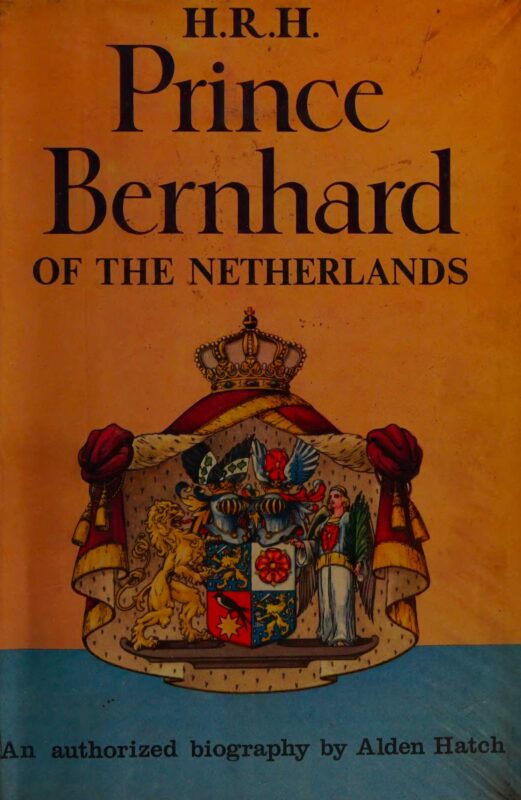
H.R.H. Prince Bernhard of the Netherlands by Alden Hatch reveals the multidimensional life and influence of one of twentieth-century Europe’s most dynamic royals. The book, shaped by direct interviews and unprecedented access to Prince Bernhard, unfolds his journey from a German prince with complex roots to a driving force in Dutch national life, European unity, and international diplomacy. Alden Hatch orchestrates the biography as a thorough examination, tracking his subject’s rise, achievements, struggles, and lasting legacy.
Origins in German Nobility
Prince Bernhard entered the world within the insular sphere of minor German royalty. The family ruled Lippe-Detmold for over seven centuries, and the legacy of this principality shaped the atmosphere of his childhood. He grew up at Reckenwalde, a working estate in Brandenburg, under the tutelage of parents with sharply defined views on discipline, tradition, and duty. The upheavals of World War I shattered the old order, yet Bernhard’s family navigated the aftermath with pragmatism, resilience, and resourcefulness. In the early years, family protocol, aristocratic custom, and hunting excursions forged Bernhard’s early character, setting in motion the traits that would define his public and private life.
Shaped by War and Upheaval
The trauma of two world wars surrounded Prince Bernhard’s upbringing. His father, a former captain in the Imperial Hussars, modeled valor, fortitude, and adaptability. As the German Empire collapsed, revolutionary mobs swept away the trappings of hereditary power. Bernhard’s youth included flight from advancing Russian forces, displacement, and brushes with the dangers of lawless soldiers. Through it all, his mother, Princess Armgard, provided steadiness, practical wisdom, and a rigorous education—cultivating both intellectual and physical toughness in her sons. Bernhard’s early illness, near-death experiences, and later, schoolyard challenges as a “prince” in a democratic Germany, honed his capacity for survival and self-reinvention.
Integration into Dutch Royalty
Prince Bernhard’s marriage to Princess Juliana of the Netherlands transformed his life and redirected the trajectory of Dutch monarchy. From the moment of their union, Bernhard confronted suspicion and scrutiny due to his German heritage, especially during the tumultuous years surrounding World War II. The Dutch, wary of German influence, watched his actions with a critical eye. Through resolve, action, and integrity, Bernhard built trust. He earned authority not through title alone, but through deeds—working with the Dutch Resistance, rallying support for his adopted country, and refusing to overstep constitutional boundaries. His insistence on factual truth, both in his biography and in life, underscored his approach to leadership.
A Model of Modern Royal Service
Bernhard defined a new model for royal service. As Inspector-General of the Netherlands Armed Forces, he took an active role—inspecting units at dawn, advocating for military modernization, and drawing on extensive aviation knowledge. His role extended into the business world, where he held positions on the boards of KLM, Royal Blast Furnaces, and Fokker Aircraft. These activities placed him at the intersection of state, military, and industry, where his influence catalyzed growth and fostered innovation. His work as Ambassador Extraordinary, with frequent trips abroad, showcased the Netherlands’ vitality and entrepreneurial spirit to the world.
International Leadership and the Bilderberg Conference
Bernhard’s vision transcended national boundaries. He spearheaded the Bilderberg Conferences, convening statesmen, diplomats, and business leaders from Europe and North America. Here, frank dialogue and confidential exchange laid the groundwork for postwar cooperation and trust. The prince’s chairmanship fostered an environment of candor, enabling participants to share their countries’ true aims and challenges—contributing to the larger project of transatlantic unity. The conference’s continuing relevance underscores the durability of Bernhard’s diplomatic innovation.
Champion of European Unity
With clarity of purpose, Bernhard pressed for a united Europe. His advocacy for continental cooperation, cultural exchange, and economic integration built bridges across lingering divides. He served as Chairman of the Foundation for European Culture and used his public profile to promote the benefits of unity and shared destiny. The prince’s legacy in this domain remains visible in ongoing efforts toward European partnership, collective security, and cross-border understanding.
Advocate of Dutch Industry and Modernization
In boardrooms and factories, Bernhard contributed to the Dutch postwar economic revival. He played a strategic role in shaping industrial policy, fostering innovation, and attracting investment. His insights into aviation and global business—derived from a lifetime of direct involvement—positioned Dutch companies at the forefront of technological and commercial progress. Bernhard’s belief in enterprise and advancement energized the Netherlands’ transition into a modern, internationally competitive economy.
Dynamic Private Life and Public Persona
Bernhard projected vitality and drive, both in public and private life. His schedule reflected unrelenting energy—balancing family responsibilities, royal protocol, international travel, and a demanding roster of commitments. He pursued adventure with enthusiasm: hunting in African safaris, skiing Alpine slopes, piloting planes, and engaging with nature. His personal candor stood out. He confronted his faults openly, regularly consulting his wife, Queen Juliana, and staff to hold himself accountable. He valued hard work over inherited status, judging days by effort and accomplishment.
Transforming the Role of a Consort
What does it take for a man to maintain integrity, ambition, and identity as the husband of a reigning queen? Prince Bernhard’s answer to this challenge lies in his character: self-confidence, resilience, extroversion, and a commitment to constructive achievement. He demonstrated loyalty to his adopted country, displayed reverence for the Dutch constitution, and cultivated a sense of humor to weather frustrations. His ambition focused on service and contribution, not personal gain. Bernhard’s success in this unique role stemmed from self-awareness, transparency, and a refusal to settle for ceremonial irrelevance.
Lessons in Leadership and Human Nature
Bernhard’s biography offers insights into the nature of leadership. He invested trust in others, believing that confidence inspires loyalty and performance. He accepted the risk that trust can invite betrayal, recognizing that the rewards of faith outweigh the dangers of suspicion. His ability to unite diverse factions—whether the Dutch Resistance or international delegations—derived from this principled openness. By extension, his approach illuminates the qualities necessary for leaders in volatile times: adaptability, courage, candor, and empathy.
A Balanced Account: Strengths and Faults
Alden Hatch’s biography does not shy away from the complexities of its subject. Bernhard’s own admissions frame the narrative. He acknowledged impatience, a tendency to overcommit, egocentrism, sarcasm, and occasional superficiality. Family and staff added to this inventory: too little time for family, inattentiveness, recklessness, and a trusting nature. These admissions support a portrait of a leader aware of his limitations and committed to personal growth. The prince’s willingness to confront imperfection, to seek counsel, and to adapt, forms a core thread throughout the story.
Catalyst in the Dutch Resistance
World War II marked a defining chapter in Bernhard’s life. As Commander-in-Chief of the Dutch Armed Forces, he assumed real operational control, uniting disparate Resistance factions and imposing discipline at a critical moment. His efforts averted post-liberation chaos and violence, securing the Netherlands’ stability. Bernhard’s leadership in these crucial years forged a new image of royal authority—rooted in action, solidarity, and partnership with the people.
The Modern Dutch Monarchy
Bernhard’s influence extended to the evolution of the Dutch monarchy itself. He shaped an image of modernity, dynamism, and accessibility, breaking with static traditions. He refrained from interfering in state affairs unless explicitly asked, respecting boundaries while offering support when needed. At home, he led with decisiveness. In public, he embodied the spirit of postwar renewal, bridging the gap between ceremonial role and substantive contribution. His life set the standard for future generations of royal service in the Netherlands.
A Lasting Legacy
Prince Bernhard’s legacy endures across domains: military, industrial, diplomatic, and cultural. His impact can be traced through the strengthening of Dutch national identity, the deepening of European cooperation, the institutionalization of international dialogue, and the modernization of the monarchy. His story illustrates the convergence of personal character, historical circumstance, and decisive action in the making of modern leadership. The life he led demonstrates how one individual can catalyze change by meeting the challenges of the moment with vigor, intelligence, and sincerity.
Why does this biography matter today? H.R.H. Prince Bernhard of the Netherlands by Alden Hatch charts the trajectory of transformation—of a man, a monarchy, and a nation—through the lens of personal resolve, historical upheaval, and principled leadership. The story stands as a case study in adaptation, service, and the relentless pursuit of relevance and meaning in public life. Bernhard’s journey from a privileged, insulated childhood to a force for unity and progress exemplifies the enduring potential of character forged in adversity, guided by purpose, and animated by commitment to others.