JFK: The CIA, Vietnam, and the Plot to Assassinate John F. Kennedy
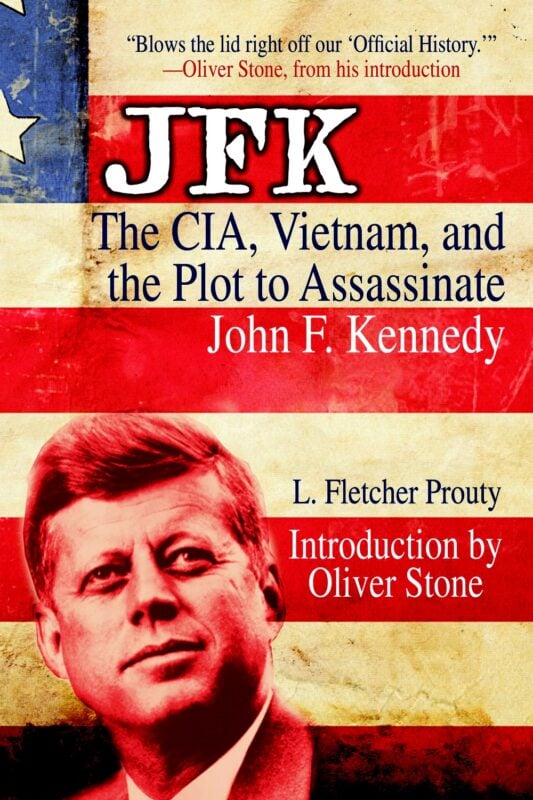
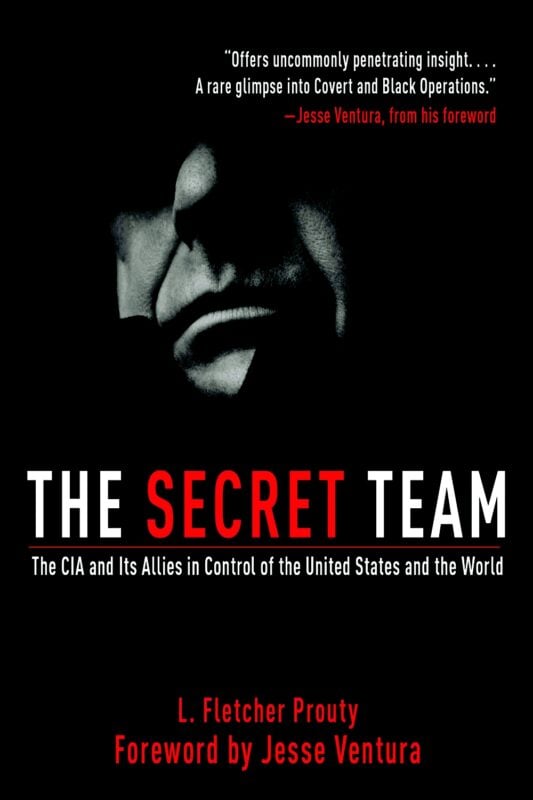
JFK: The CIA, Vietnam, and the Plot to Assassinate John F. Kennedy by L. Fletcher Prouty maps the covert landscape of American power from World War II through the Vietnam era, arguing that the assassination of John F. Kennedy emerged from deliberate strategies by entrenched interests determined to preserve war as a mechanism of control and profit.
The Rise of the Power Elite and Postwar Strategy
The end of World War II inaugurated a new order defined by the emergence of a “power elite”—a network of international bankers, industrialists, and covert operatives whose influence extended beyond government. Prouty, drawing on his Pentagon experience, asserts that this elite designed the Cold War as a controlled environment for generating profit and consolidating influence. Planning began as early as the 1943 Cairo and Teheran Conferences, where leaders such as Churchill, Roosevelt, Stalin, and Chiang Kai-shek negotiated a framework that prepared the ground for American engagement in Indochina and Korea. These gatherings determined the postwar distribution of power, resources, and the role of limited warfare as an alternative to nuclear conflict.
The Evolution of Limited Warfare
Nuclear weapons rendered conventional total war obsolete. American strategists faced a dilemma: how to maintain military-industrial momentum and achieve dominance without risking nuclear annihilation. The solution appeared in the form of perpetual, limited conflicts—wars engineered for containment, attrition, and resource control. Prouty details the creation of covert operations and psychological warfare campaigns, assigning the CIA the task of managing these conflicts. The “Saigon Military Mission,” initiated in the 1950s under Colonel Edward Lansdale, launched America’s deep covert engagement in Vietnam, manipulating population movements, supporting regime change, and experimenting with counterinsurgency methods.
Covert Operations and the Manipulation of Reality
Prouty argues that the Vietnam conflict did not arise from strategic miscalculation or mission creep. Instead, covert operatives manufactured events and narratives that justified continued engagement. The mass relocation of over a million North Vietnamese to the south, managed by the CIA’s Saigon Military Mission, generated humanitarian crises and seeded social unrest, which then served as pretexts for escalating intervention. Prouty exposes how psychological warfare and fabricated threats drove U.S. policy decisions. In this climate, operations such as Northwoods—proposing staged attacks to create a rationale for military action—demonstrate the willingness of planners to manipulate perception and engineer consent.
JFK’s Threat to the System
Kennedy’s approach to Vietnam diverged sharply from established policy. In 1963, National Security Action Memorandum 263 set a clear timetable for U.S. withdrawal. Prouty’s analysis of internal government documents and firsthand knowledge reveals how this decision alarmed powerful figures within the military, intelligence, and industrial establishment. Kennedy’s actions jeopardized lucrative contracts, undermined the legitimacy of covert agencies, and threatened the broader economic system dependent on war.
The Coup d’État and Its Aftermath
Prouty contends that Kennedy’s assassination constituted a coup d’état, executed to preserve the continuity of war and maintain the structures of covert power. He traces the immediate reversal of policy: Lyndon B. Johnson’s first security memorandum (NSAM 273) directed the military to expand support for South Vietnam and prepared the groundwork for direct U.S. military intervention. Prouty interprets this as a calculated strategy to keep the war machine operational, aligning government action with the interests of the power elite.
Official Narratives and the Cover-Up
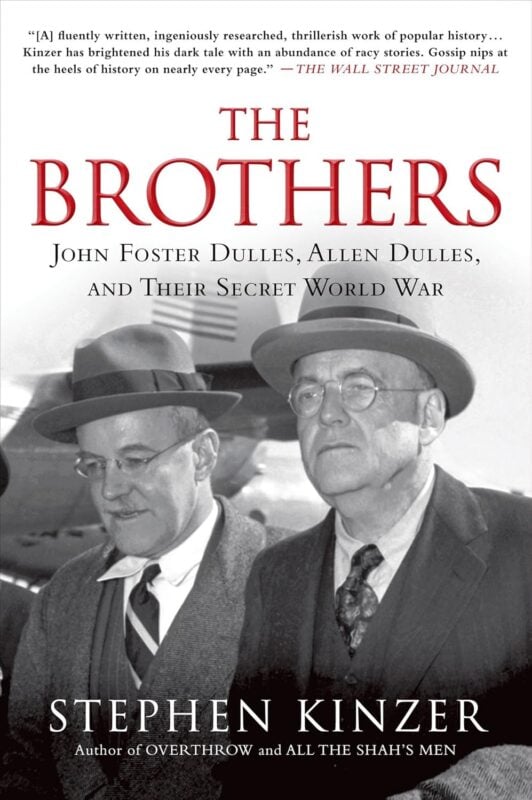
Following the assassination, official commissions and reports worked to entrench a narrative of lone actors and accidental outcomes. Prouty deconstructs the Warren Commission’s findings, exposing inconsistencies and logical impossibilities such as the single-bullet theory. He points to the rapid reintegration of key figures—such as Allen Dulles, former CIA director fired by Kennedy, into positions of investigative authority—as evidence of institutional self-protection. Prouty maintains that government and media collaboration ensured the suppression of facts and the propagation of myth, insulating decision-makers from accountability.
The Role of Media in Shaping Public Consciousness
Media organizations did not merely report official stories; they shaped the parameters of permissible debate. Prouty observes that major news outlets and academic historians aligned with the narrative constructed by government and covert agencies, marginalizing dissenting voices and excluding alternative evidence. The architecture of disinformation operated through both omission and active distortion, creating a manufactured consensus around American foreign policy and the events of Dallas in 1963.
The Economic Engine of War
The Vietnam conflict, as Prouty describes, served as a model for profit-driven, managed warfare. Enormous sums flowed through military contracts, logistics operations, and supply chains, benefiting a network of corporate and financial interests. Prouty quantifies this process: by the time the U.S. withdrew from Vietnam, expenditures had exceeded $570 billion, enriching the “high cabal” described by Winston Churchill and later by Buckminster Fuller. The perpetuation of limited, unwinnable wars becomes a deliberate design, ensuring the survival and dominance of the power elite while draining national resources and reshaping the global balance.
Lessons from Vietnam: The Persistence of the System
Prouty draws direct lines from the Vietnam era to subsequent conflicts and interventions. He presents Vietnam as a template, not an aberration. When U.S. forces left Saigon in 1975, the strategic playbook for endless war—covert operations, manufactured enemies, media management, and economic extraction—remained intact. Prouty connects these practices to later military actions in Central America, the Middle East, and beyond, suggesting that the logic of managed conflict continues to drive U.S. foreign policy.
The Impact of JFK’s Death on American Politics
Kennedy’s removal, Prouty argues, produced a lasting shift in the trajectory of American governance. Executive authority over military and intelligence operations weakened, as agencies grew more autonomous and secretive. The apparatus of surveillance, covert action, and disinformation expanded, supported by the continued flow of resources and shielded by carefully constructed narratives. Prouty urges readers to recognize the structural consequences of this shift, warning of the dangers posed by an unchecked intelligence apparatus and the erosion of democratic oversight.
Resistance and the Importance of Historical Inquiry
Prouty’s work does not merely expose the past; it calls for active engagement with history. He champions the critical analysis of official accounts, the opening of classified files, and the cultivation of independent thought. By confronting the manufactured nature of public narratives, citizens gain the capacity to challenge entrenched interests and assert control over the direction of policy and governance.
The Enduring Relevance of Prouty’s Analysis
The arguments and evidence presented in JFK: The CIA, Vietnam, and the Plot to Assassinate John F. Kennedy resonate beyond the specifics of the 1960s. Prouty offers a framework for understanding how structures of power adapt, evolve, and perpetuate themselves through both overt and covert means. He insists that the logic of perpetual war, information control, and elite dominance remains operative, shaping the contemporary world as much as it defined the past.
A Call to Accountability
Prouty concludes with a direct appeal for vigilance and responsibility. The patterns he identifies—engineered conflict, secrecy, and profit-driven warfare—persist wherever citizens neglect to question, investigate, and act. By reclaiming the historical record and exposing the mechanisms of control, society can resist the path toward perpetual crisis and recover the possibility of self-governance.