Twilight Language

Twilight Language by Michael Hoffman decodes the hidden architecture of symbolic manipulation embedded within contemporary politics, mass media, and collective memory. This book presents a framework for understanding how elites communicate through encoded metaphors and allegories, using a system Hoffman identifies as twilight language—a coded syntax of images, names, dates, locations, and numbers.
The Mechanics of Symbolic Power
Twilight language operates as the medium through which power rituals transmit meaning to those with esoteric knowledge. Hoffman argues that this system underlies events that appear random but follow patterns recognizable to initiates. The book asserts that this language allows occult initiates to conduct rituals in full public view while concealing their symbolic payload from the uninitiated.
Strategic use of number, geometry, and mythological archetypes transforms real-world violence into metaphysical spectacle. The killing of John F. Kennedy at Dealey Plaza, for example, functions as an “alchemical working” staged at a site saturated with esoteric symbolism. Events such as the 9/11 attacks also adhere to numeric and geographic patterns aligned with Kabbalistic and Masonic traditions.
Ritual Murder and the Reign of Dead Matter
Hoffman introduces the concept of the Reign of Dead Matter to explain a world increasingly governed by mechanism, artificiality, and spiritual disconnection. The manipulation of public events to simulate reality replaces human engagement with digitally conditioned reaction. He contends that modern media acts as a weaponized mirror, channeling symbolic violence and programming emotional responses while severing perception from reality.
Alchemical rituals culminate in psychic inversion. By conditioning the public to participate in narratives structured by deception, twilight language catalyzes a form of mass initiation. Hoffman describes the psychological effect as entrainment into a process that mimics spiritual transformation while leading toward docility and amnesia. The goal is not merely political control but ontological transformation of the human subject.
The Shock of the Spectacle
Public rituals of destruction function as psychological operations. The demolition of the Twin Towers, coded with the Tarot Tower card and the numerical game of 21, initiates what Hoffman identifies as the climax entry point of a new epoch. These events are not only strategic crises but also theater—a spectacle engineered to disorient the rational mind and open space for new mythologies.
The spectacle leverages trauma to fracture consciousness. As reality collapses under the pressure of symbolic overload, individuals lose orientation and adopt the consensus narrative offered by authority. Hoffman demonstrates how this psychological disorientation leads to complicity. Once initiated into twilight language, the public begins to crave deeper symbolic shocks, reinforcing the cycle of dependency and submission.
Media as Sorcery
Mainstream media acts as the principal vehicle for the transmission of twilight language. Hoffman analyzes how language, imagery, and framing techniques create hyperreal narratives that condition public behavior. He examines the role of algorithms and artificial intelligence in restructuring consciousness, citing their capacity to predict, provoke, and reinforce ideological reflexes through emotionally charged stimuli.
These techniques do not merely inform—they transform. They condition the viewer into passivity by overwhelming critical faculties. Through repetition, fragmentation, and emotional escalation, twilight language infiltrates cognition, bypassing rational analysis and creating a symbolic architecture of control. The media spectacle becomes the ritual arena in which the masses are initiated.
The Masonic Blueprint of Modern Events
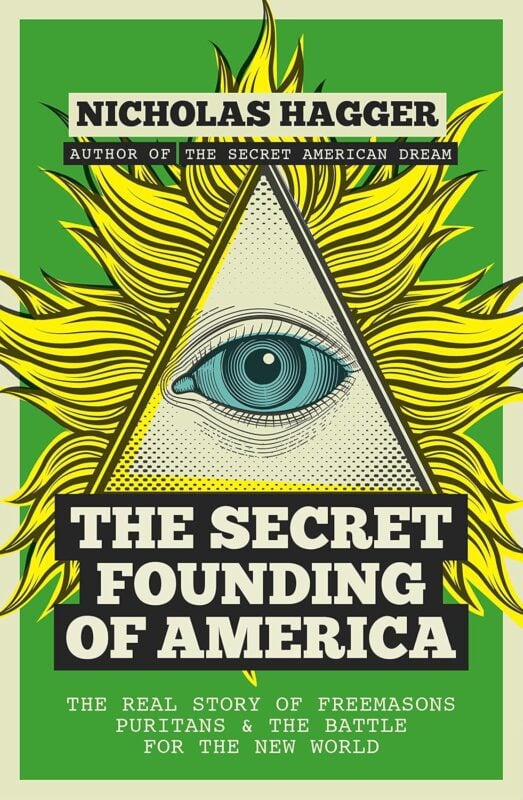
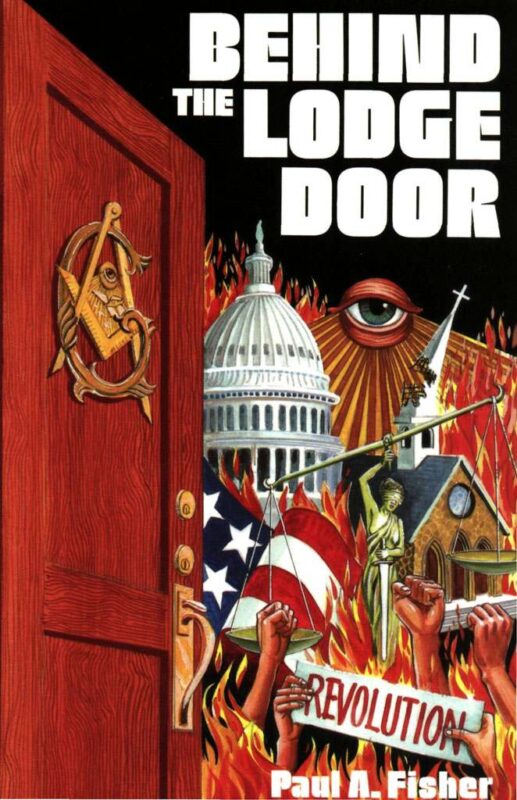
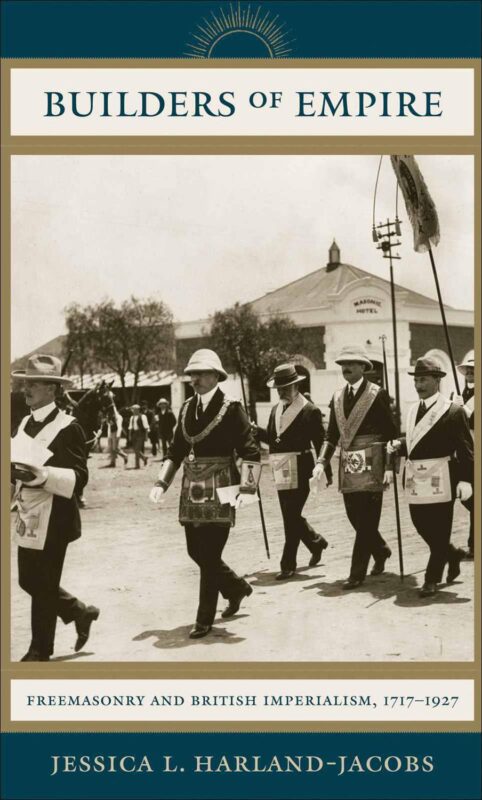
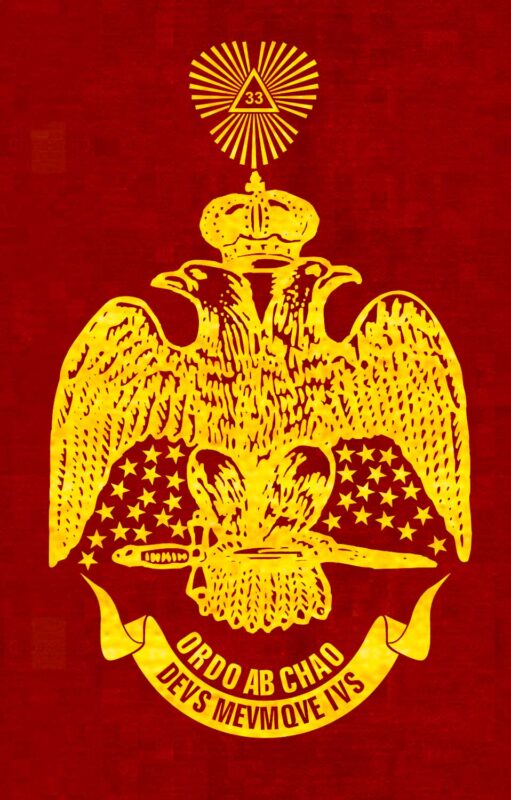
Freemasonry serves as a structural model for the deployment of twilight language. Hoffman describes the Masonic system as a veiled religion, transmitting its worldview through layers of allegory, ritual, and encoded structure. Public events mimic Masonic initiation rites, using geographical alignment, numerology, and psychological manipulation to simulate transformation.
The layout of cities, timing of events, and scripting of political spectacle all bear the imprint of this esoteric engineering. Hoffman’s analysis identifies repeated use of symbolic numerals—33, 11, 9—as indicators of ritual staging. This encoding does not merely allude to hidden meaning but enacts transformation by placing the uninitiated into a scripted experience of revelation, trauma, and response.
The Revelation of the Method
Twilight language culminates in what Hoffman calls the Revelation of the Method: a stage in the process where hidden operations are disclosed but remain unchallenged. This revelation, rather than sparking resistance, deepens submission. By confessing its methods through symbolic leaks, satirical media, or partial admissions, the system inoculates itself against accountability.
Revelation of the Method transforms complicity into ritual consent. The public absorbs the truth of their manipulation but fails to act, completing the alchemical cycle. Hoffman likens this to a narcotic process: the initial shock wears off, but the craving for symbolic stimulation escalates. Each new scandal or spectacle must exceed the last, sustaining a feedback loop of titillation and despair.
The Liturgical Function of Mass Violence
Mass shootings, terrorist attacks, and celebrity deaths function as sacramental acts in this symbolic order. They provide punctuation marks in the narrative of cultural transformation. These events are not random but serve as offerings to a deeper scriptural logic. By sacrificing symbolic figures in public view, the system reaffirms its control and recalibrates public perception.
Hoffman identifies these incidents as updates to ancient rites—ritual murder repackaged for digital consumption. Their occurrence at specific times, places, and under contrived circumstances points to deliberate choreography. The rituals enact a psychological displacement that distances individuals from embodied reality and draws them into mediated myth.
The Pharmakos and the Media Priesthood
Twilight language requires interpreters. Hoffman casts journalists, celebrities, and cultural gatekeepers as modern-day priesthoods who translate occult operations into mainstream narratives. These figures offer sanitized interpretations, shielding the core ritual from public scrutiny while preserving its hypnotic function.
The scapegoating mechanism—the pharmakos—enables this structure. By channeling public anger into symbolic enemies, the system distracts from its own operations. Targets rotate: Arabs, nationalists, elites, conspiracists. But the function remains fixed: the pharmakos absorbs and diffuses dissent, preserving the core structure of symbolic control.
The Collapse of Being
Twilight Language charts the erosion of authentic human presence. Hoffman sees the replacement of lived experience with synthetic symbolism as an ontological crisis. Human beings lose contact with wonder, creation, and divine immanence. They become consumers of simulacra, cut off from the radiant structure of being.
This crisis emerges not from technological advance but from deliberate sabotage. Education, religion, and entertainment no longer cultivate wisdom or transcendence but instead reprogram perception. Hoffman warns that this disconnection leads to the loss of memory, intuition, and moral judgment. Twilight language does not merely obscure—it hollows.
Restoration Through Comprehension
Understanding twilight language is the first step toward emancipation. Hoffman offers no simple solutions but affirms that awareness disrupts entrainment. By recognizing the symbolic codes, rejecting their hypnosis, and seeking authentic relation with creation, individuals resist the alchemical transformation imposed by elite ritual.
This comprehension does not arise from study alone but from spiritual discipline. Hoffman frames his work as a gift of grace—a guide to recovery, not merely exposure. He urges readers to engage the symbolic terrain with discernment and to restore being by aligning with divine presence, not artificial constructs.
Twilight Language ends with a call to integrity. The book asserts that freedom lies not in knowledge alone but in fidelity to truth as it manifests in creation. Rituals of control lose power when their participants awaken. The arc of history bends through ritual, but those who see through the veil reclaim authorship. In the face of alchemical processing, the act of witnessing truth becomes a sacrament of resistance.