New World Order: A Strategy of Imperialism
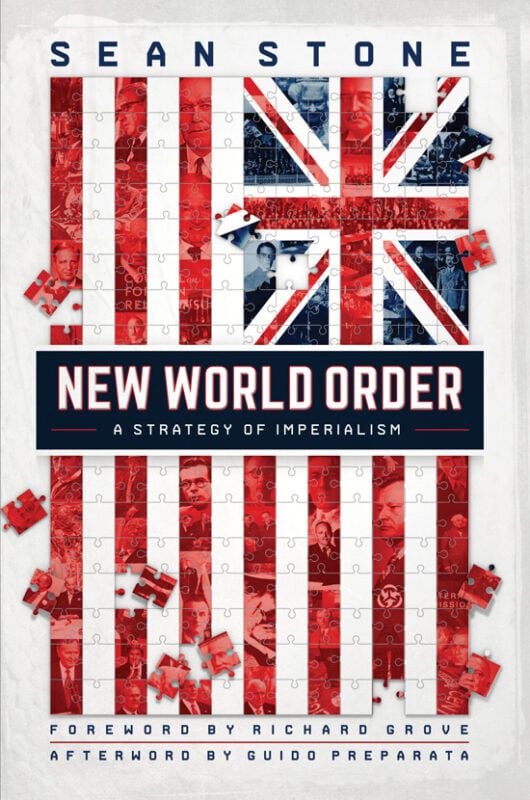
New World Order: A Strategy of Imperialism by Sean Stone reveals how a long-term transnational plan, rooted in British imperial strategy, continues to shape global governance and suppress individual liberty. Through a tightly woven historical analysis, Stone traces the origins, methods, and present-day consequences of a covert agenda that began with the ambitions of Cecil Rhodes and matured through institutions like the Rhodes Scholarship, the Council on Foreign Relations, and Anglo-American intelligence networks.
The Architects of Global Control
Cecil Rhodes envisioned a worldwide British-led federation. His legacy materialized through secret societies and the strategic deployment of scholars trained in imperial values. Rhodes’ last will funded a blueprint for global influence: the recruitment and grooming of intellectual elites through Oxford education. This scholarship created a loyal transatlantic class trained in indirect governance, international law, and economic manipulation. These men established institutions that now form the backbone of parapolitical power: the Round Table, the Royal Institute of International Affairs, and the Council on Foreign Relations.
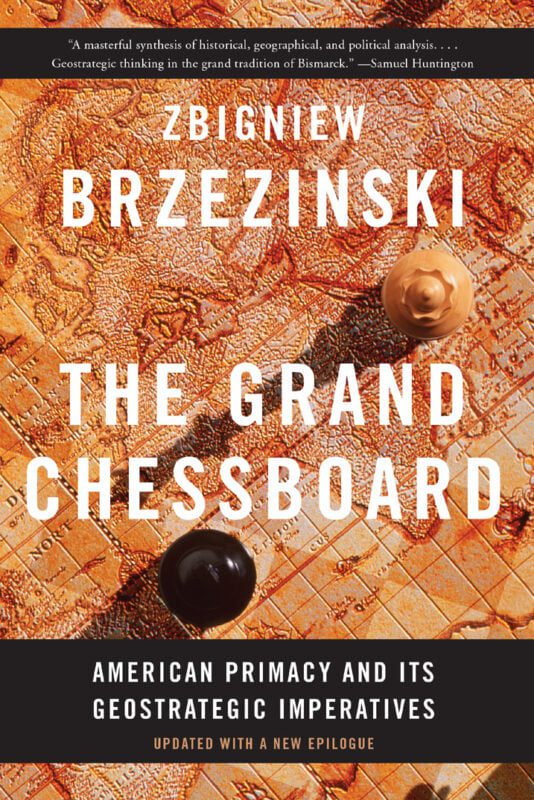
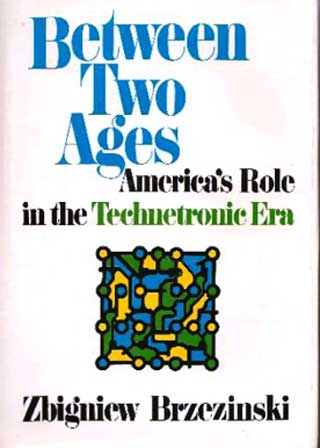
Sean Stone identifies William Yandell Elliott, an American Rhodes Scholar, as a crucial vector. Elliott taught and influenced Henry Kissinger and Zbigniew Brzezinski, each of whom shaped foreign policy across multiple presidential administrations. These protégés extended the imperial doctrine into the modern age, integrating surveillance, covert operations, and neoliberal economics into a system of managed global control.
Parapolitics and the Infrastructure of Secrecy
Parapolitics—defined as a hidden layer of power that bypasses democratic accountability—functions through strategic opacity. The shift from empires to democracies did not dismantle elite control; it concealed it. Stone explains how public narratives, often crafted by media controlled through foundations and corporate boards, mask the deeper strategies at play. Financial instruments, educational policy, and foreign interventions express a logic designed not to represent citizens but to manage populations.
Stone examines how media consolidation and the creation of pseudo-independent think tanks sustain the illusion of consensus. He cites the systematic discrediting of dissent as “conspiracy theory,” revealing this rhetorical tool’s origin in CIA memos like 1035-960. This memo, issued in the aftermath of criticism against the Warren Commission, recommended psychological tactics to delegitimize skepticism. The language of ridicule protects the architecture of secrecy and isolates critical voices.
The American Republic and Its Subversion
The founding ethos of the United States—individual liberty, decentralized power, and republican governance—clashed with Rhodes’ vision of imperial unification. Stone charts how these foundational values eroded as American elites absorbed British models of hierarchy and central planning. The Federal Reserve, established in 1913, transferred monetary control from Congress to a private banking consortium. The entry into World War I, engineered through propaganda and elite diplomacy, marked a decisive turn toward interventionism.
Rhodes’ inheritors achieved their aim: to fold American power into a global system managed by unelected experts. The Cold War institutionalized this shift. National security agencies replaced elected branches as the primary instruments of foreign and economic policy. In this transformation, parapolitical actors leveraged crisis to expand their mandate. Stone examines the role of intelligence operations in sustaining this order—supporting coups, destabilizing regimes, and fostering proxy wars.
The Philosophy Behind the Program
Stone targets philosophical roots. He singles out Immanuel Kant, whose moral theories subordinated individual conscience to collective duty. This philosophical shift, Stone argues, laid the groundwork for justifying coercive systems under the banner of collective good. Through Kantian ethics, obedience to state power gained moral weight, even as it erased personal sovereignty. By contrast, thinkers like Locke and Jefferson emphasized natural rights that precede and limit government authority.
Educational reform institutionalized these shifts. The Prussian model, designed to produce obedient subjects, spread to the United States by the late 19th century. Under the guise of modernization, schools became instruments of conformity. Stone connects these developments to broader goals: to reshape the population’s self-understanding and facilitate elite control through internalized discipline.
Globalization as Imperial Continuity
Globalization operates as imperialism by other means. Stone explores how multinational corporations, financial institutions, and supranational bodies such as the World Bank and the IMF replicate colonial structures. These organizations impose debt, extract resources, and enforce compliance through economic leverage. Their policies often align with the interests of legacy families and foundations linked to the Rhodes network.
Stone highlights the role of crisis as a mechanism of transformation. He analyzes “order out of chaos” strategies used to create instability that justifies elite intervention. From Cold War coups to post-9/11 surveillance laws, the pattern holds: fear expands authority. He emphasizes that these crises rarely emerge organically. Instead, they follow patterns of orchestration, misdirection, and strategic utility.
Surveillance and the Post-9/11 State
Edward Snowden’s revelations about NSA spying confirm the trajectory outlined by Stone. Mass surveillance, far from being an accidental consequence of technology, fulfills the imperial vision of total control. Programs like PRISM, created in coordination with Britain’s GCHQ, allow governments to track behavior, predict dissent, and shape political outcomes. These tools align with parapolitical goals: circumventing constitutional limits while maintaining the appearance of democratic legitimacy.
Stone links this surveillance architecture to earlier Cold War programs such as Operation Gladio, which created clandestine networks across NATO countries. These stay-behind armies, often implicated in false flag operations, served to manipulate political environments in favor of Atlanticist agendas. The continuity from Gladio to modern intelligence alliances reflects the durability of the imperial framework.
The Role of Cultural Engineering
Control extends beyond institutions. Stone examines how literature, art, and entertainment reinforce dominant paradigms. He discusses how narratives of progress and security mask deeper trends of centralization and homogenization. The intellectual class, trained in elite universities, often internalizes and disseminates these paradigms without recognizing their origin. Foundations and academic grants direct research toward acceptable questions and predetermined conclusions.
Stone does not isolate power to a secret cabal. He reveals a layered system in which incentives, ideology, and institutional design align toward centralized control. The effectiveness of this system depends on internalized consent—beliefs about authority, progress, and expertise that foreclose critical analysis.
Resistance Through Knowledge
Stone challenges readers to reengage with history. He urges them to study the primary sources, read banned or neglected books, and recover suppressed traditions of liberty. He argues that freedom requires intellectual vigilance. A population unaware of how power operates cannot defend its rights. He identifies historical literacy as a tool of resistance and strategic awareness as a prerequisite for political agency.
He proposes a revival of personal responsibility for knowledge. Stone’s vision is not merely descriptive but prescriptive. He believes that reclaiming autonomy begins with understanding the systems that erode it. Education, when self-directed and rooted in primary sources, becomes the path toward civic reawakening.
Strategic Reading and the Way Forward
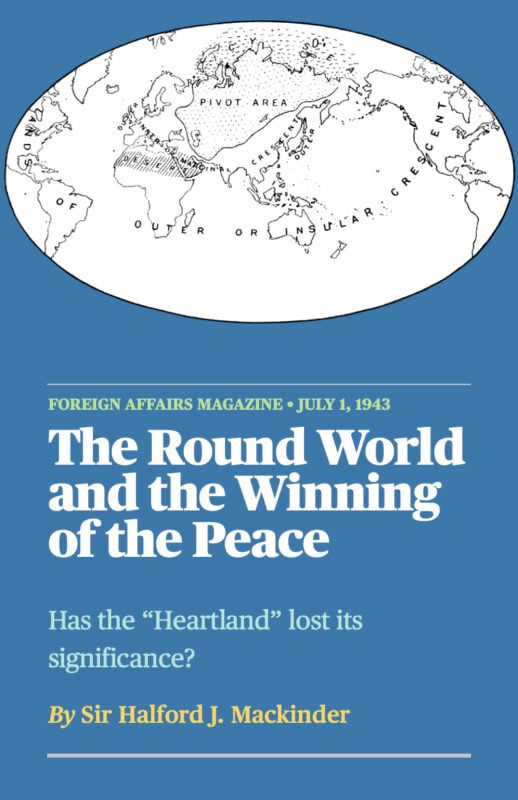
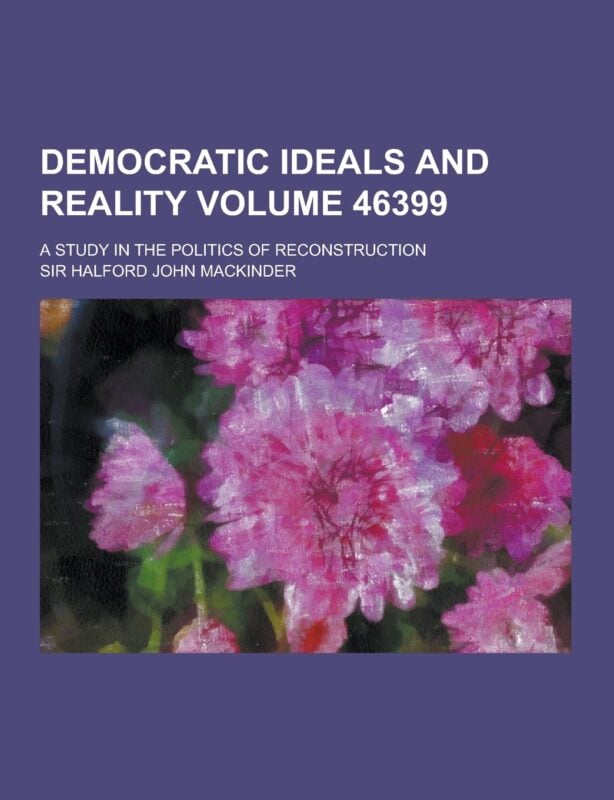
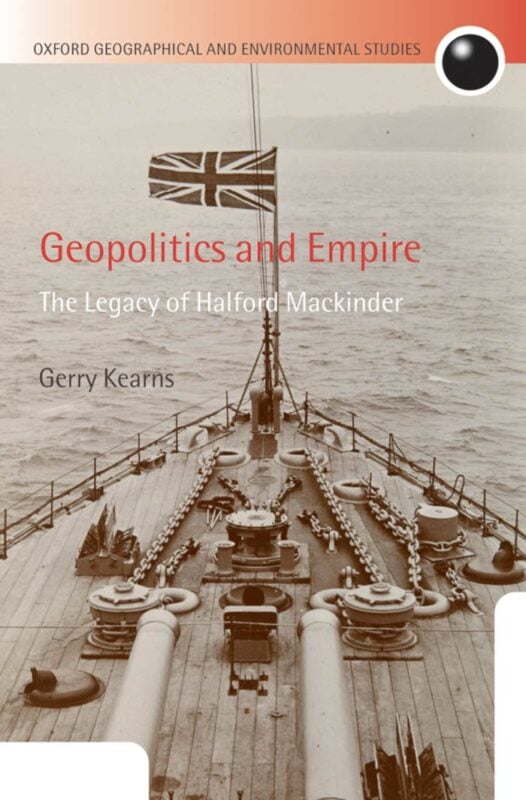
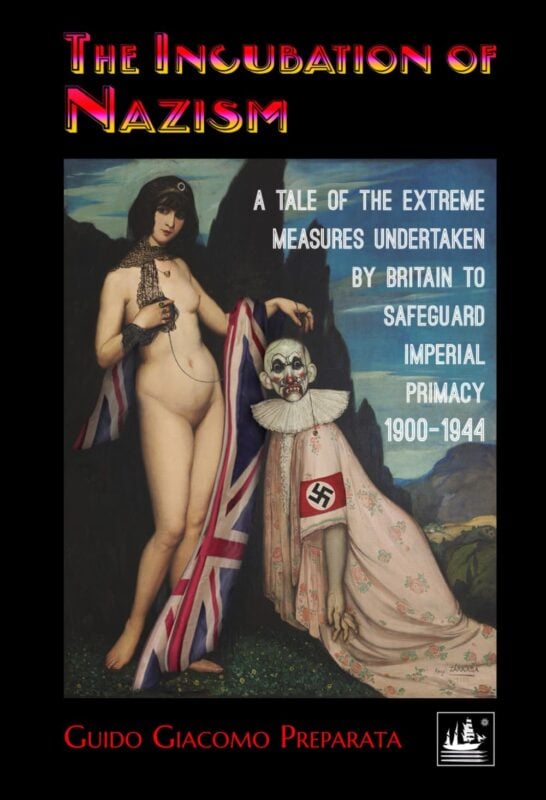
Stone concludes with a reading list that anchors his arguments in broader scholarly work. He recommends Carroll Quigley’s Tragedy and Hope, Joseph Plummer’s Tragedy and Hope 101, and books on the Rhodes legacy and globalist institutions. These texts offer a coherent framework for understanding the continuity of power across generations.
Stone affirms that individuals can confront global systems of control. He does not suggest quick fixes or ideological purity. Instead, he presents a structured path of inquiry, anchored in historical method and philosophical clarity. The pursuit of liberty, he insists, demands an accurate map of the terrain. His book provides that map. The rest depends on what readers choose to do with it.