Anthropological Intelligence: The Deployment and Neglect of American Anthropology in the Second World War
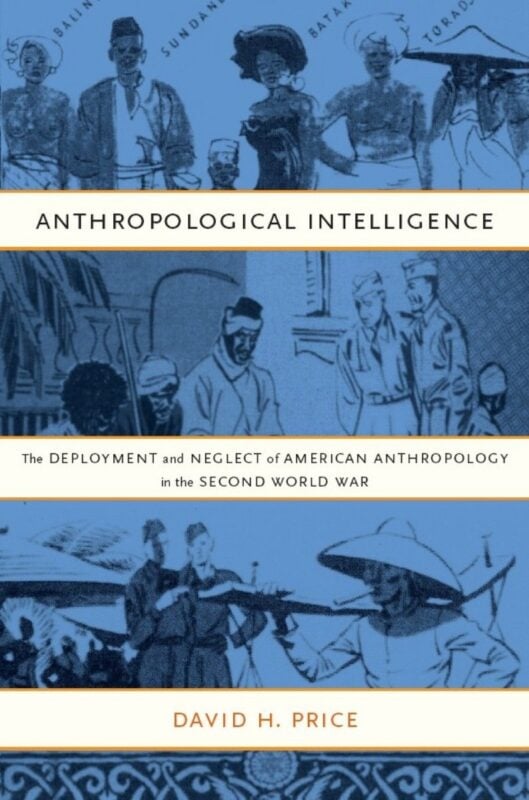
Anthropological Intelligence: The Deployment and Neglect of American Anthropology in the Second World War by David H. Price traces how American anthropologists shaped military intelligence and policy during the Second World War, exposing the intricate links between academic knowledge and the mechanics of state power.
The Convergence of Anthropology and Warfare
As global conflict engulfed the 20th century, anthropology moved from academic periphery to operational core within the U.S. war effort. Agencies like the Office of Strategic Services (OSS), the Federal Bureau of Investigation (FBI), the Office of Naval Intelligence (ONI), and the War Relocation Authority (WRA) enlisted anthropologists to resolve problems of administration, propaganda, intelligence, and social control. Researchers offered field expertise, cultural insight, and regional knowledge, translating ethnographic observation into actionable data for policymakers and military strategists. Anthropological Intelligence examines the methods, motivations, and outcomes that defined this wartime alliance.
Redefining Applied Anthropology
World War II triggered an unprecedented wave of anthropologists leaving their campuses and engaging directly with government agencies. Their fieldwork expanded beyond traditional ethnography. Instead of cataloging isolated cultures, anthropologists advised on refugee resettlement, mapped ethnic fault lines, designed psychological operations, and produced analyses on “enemy” societies. Anthropological labor became central to wartime administration, and the discipline underwent rapid methodological innovation to meet the demands of real-time intelligence gathering. The distinction between academic detachment and active intervention dissolved as scholars entered the theater of state power.
Organizational Structures and Disciplinary Mobilization
Professional organizations, including the American Anthropological Association (AAA) and the newly-formed Society for Applied Anthropology (SfAA), coordinated and encouraged the deployment of anthropologists in support of the national war effort. University campuses fostered training programs and research units specifically oriented toward war-related work. Key figures within the discipline, such as Ruth Benedict, Margaret Mead, Clyde Kluckhohn, and John Embree, contributed directly to policy analysis and information campaigns targeting both Axis and Allied populations. This convergence of academic expertise and national objectives positioned anthropology at the heart of strategic planning.
Allied and Axis Anthropologies
Price scrutinizes not only American engagement but also the parallel mobilization of anthropologists within Axis powers. Japanese and German governments developed their own anthropological programs, channeling fieldwork and theoretical production into propaganda, race science, and military intelligence. This comparative perspective reveals a global pattern: anthropological expertise gravitated toward centers of state power during wartime, shaping—and shaped by—the ideologies and logistics of total war. The boundaries between research and political action dissolved under pressure, and anthropology, as a field, became instrumental in the formulation of state objectives.
Propaganda, Internment, and the Ethics of Expertise
Anthropologists became integral to government propaganda efforts, crafting messages that exploited cultural assumptions and stereotypes for psychological warfare. In the United States, experts at the Office of War Information (OWI) developed analyses of Japanese society, informed the writing of leaflets and broadcasts, and provided strategic advice on how to undermine enemy morale. Simultaneously, anthropologists conducted fieldwork within Japanese American internment camps, gathering data for agencies like the War Relocation Authority. Their research documented the effects of incarceration, but also informed government policy on resettlement, assimilation, and surveillance. Through these interventions, the discipline grappled with urgent ethical questions. When does scientific expertise become complicit in state violence? How do fieldworkers navigate loyalty to their subjects while serving the interests of military command?
The Legacy of Franz Boas and the Scientist as Spy
Price situates the ethical tensions of World War II within the legacy of Franz Boas, the discipline’s founding figure. During the First World War, Boas denounced American anthropologists who used academic credentials as cover for espionage, condemning the practice as a betrayal of scientific integrity and a threat to international trust. The AAA censured Boas for his public stance, establishing a precedent for future debates about the proper boundaries of anthropological engagement. By the time of the Second World War, however, the existential threat of fascism and the moral urgency of the fight against tyranny transformed attitudes. Anthropologists, haunted by memories of Boas’s censure, weighed the costs and responsibilities of their participation. Some felt justified by the stakes of the conflict; others remained uneasy, sensing the long shadow of ethical ambiguity.
From Fieldwork to Intelligence Analysis
Wartime anthropology produced a dramatic methodological shift. Ethnographic skills—participant observation, interviewing, cultural analysis—became tools for intelligence assessment and operational planning. Anthropologists wrote strategic reports, mapped kinship networks, and deciphered the symbolic logic of adversary societies. Agencies like the OSS and OWI depended on anthropological expertise to anticipate enemy behavior, predict civilian reactions, and devise effective policies of occupation or psychological warfare. The boundaries between research and surveillance blurred. Scholars tracked social dynamics, reported on morale, and, at times, informed the design of interrogation and reeducation programs. Anthropology’s utility as a science of difference translated directly into mechanisms for control.
The Aftermath and Enduring Ambiguities
The end of World War II did not sever the links between anthropology and government power. The skills, contacts, and habits formed during wartime carried forward into the early Cold War. The Central Intelligence Agency (CIA) and the Pentagon actively recruited anthropologists, while academic associations debated the implications of covert research and military funding. The removal of explicit prohibitions on secret research from the AAA’s ethical code in the early 21st century reopened possibilities for collaboration with intelligence agencies. The discipline, shaped by its wartime experiences, struggled to define the limits of acceptable engagement.
Postwar Reckoning and Historical Memory
Price foregrounds the tendency of anthropologists to obscure or silence the full extent of their wartime contributions. Obituaries, memoirs, and institutional histories mention service briefly, omitting detail and sidestepping uncomfortable truths. This “negative space” in disciplinary memory affects the field’s self-understanding and shapes the terms of contemporary ethical debate. The consequences of this silence manifest in political and institutional choices, as recruitment campaigns by the CIA and Pentagon invoke the discipline’s proud wartime legacy to attract new talent. Price argues that meaningful reckoning demands honest confrontation with the specifics—names, organizations, projects, and outcomes.
Scientific Objectivity and the Limits of Neutrality
Anthropological Intelligence interrogates the concept of scientific objectivity within the context of war. Price asserts that no science operates outside its political and economic context. The production, interpretation, and application of anthropological knowledge depend on the priorities and structures of the societies that support research. The book explores how “junk science” and administrative suppression of inconvenient findings distort the role of scientific expertise. Price urges anthropologists to embrace ethically aware, politically engaged science, insisting that reliability and validity require attention to context as much as to method.
Impact on the Structure and Direction of the Discipline
The mobilization for war restructured American anthropology. Funding priorities, research agendas, and professional identities shifted under the weight of national objectives. Theories developed in response to immediate military needs laid the foundation for postwar research in area studies, development, and national security. Government agencies set precedents for interdisciplinary collaboration and large-scale data collection. Postwar, the discipline’s infrastructure—grant-making, academic training, publication, and peer review—absorbed the effects of its wartime deployment. Anthropological practice, once primarily the province of independent fieldworkers, became a site of coordinated, policy-driven research.
Political and Economic Forces Shaping Knowledge
The book explores how political and economic forces exert a determinative pull on scientific systems. Anthropologists, situated within universities and research institutes, respond to funding priorities, state mandates, and the interests of powerful patrons. The war catalyzed this convergence, revealing the discipline’s capacity for flexibility, adaptation, and compliance. At the same time, anthropology’s structural integration into government programs prompted debate about the discipline’s autonomy, purpose, and responsibilities.
Ethical Codes and the Challenge of Accountability
Price addresses the evolution of ethical codes within anthropology, highlighting the persistent ambiguities and points of contestation. The AAA’s decisions—from censuring Boas to revoking that censure decades later—reflect the shifting consensus around collaboration, secrecy, and the uses of scientific knowledge. The profession continues to debate the boundaries of legitimate engagement with military and intelligence organizations, as new contexts—such as the “war on terror”—generate fresh dilemmas and opportunities. The book insists that ethical clarity requires more than sentiment or abstract principle. It demands rigorous analysis of specific cases, consequences, and historical trajectories.
Contemporary Relevance and the Return of Militarized Science
The renewed embrace of military and intelligence partnerships within anthropology reflects the enduring influence of World War II. The return of militarized research, visible in Pentagon- and CIA-funded projects and recruitment drives, draws direct inspiration from the wartime model. As academic associations debate the merits and dangers of such alliances, the unresolved tensions of the 1940s resurface in new forms. Price’s analysis provides a foundation for current and future discussions about the discipline’s obligations, limits, and possibilities.
Conclusion: Learning from the Past, Shaping the Future
Anthropological Intelligence claims that the deployment and neglect of American anthropology in the Second World War offer critical lessons for the field’s ongoing engagement with power. The book encourages anthropologists to examine their history with precision and honesty, to recognize the political and ethical stakes embedded in their work, and to cultivate forms of practice that balance scientific rigor with social responsibility. The future of the discipline, Price contends, hinges on the willingness of its practitioners to engage critically with their own legacies and to chart paths that avoid both naïve complicity and empty repudiation. The structural entanglement of anthropology and state power, forged in the crucible of global conflict, remains a central challenge and opportunity for the discipline today.