The Leipzig Connection: The Systematic Destruction of American Education
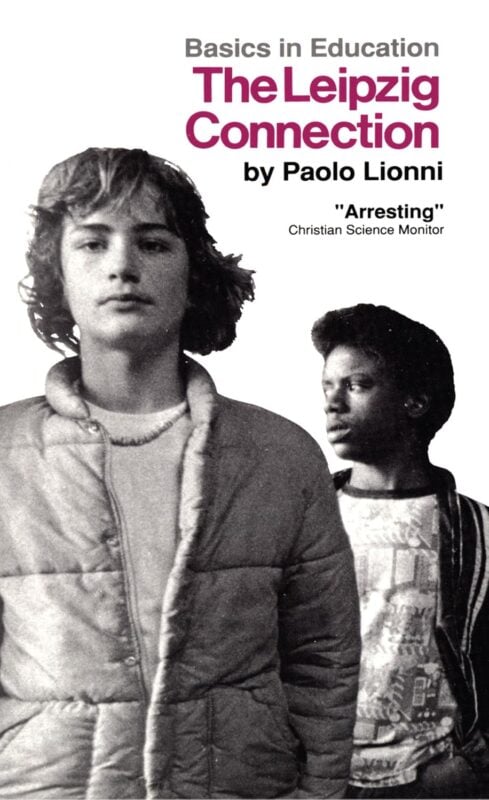
The Leipzig Connection by Paulo Lionni traces the transformation of American education to the influence of experimental psychology and the ideas of Wilhelm Wundt, whose laboratory at the University of Leipzig became the origin point for a radical redefinition of schooling, learning, and the human mind.
Origins of Experimental Psychology
Wilhelm Maximilian Wundt established the first laboratory dedicated to psychological research in Leipzig in 1875. He rejected metaphysical speculation, demanding that psychology align itself with the methods of natural science. In Wundt’s laboratory, researchers measured and quantified perception, sensation, and response, producing data that focused exclusively on experience. He believed the mind operates through physiological mechanisms, and he insisted that science should study will, apperception, and reaction as functions of neural activity. As students traveled from across Europe and America to study in Leipzig, Wundt’s views propagated far beyond Germany.
Transmission to America
Wundt’s approach produced a new generation of psychologists who founded and shaped the discipline in the United States. G. Stanley Hall, Wundt’s first American student, established the psychology laboratory at Johns Hopkins University in 1883 and founded the American Journal of Psychology. James McKeen Cattell, another Wundt protégé, launched influential journals and reference works, championed psychological testing, and organized the discipline’s spread into American universities. Hall and Cattell, joined by others such as John Dewey and Edward Thorndike, secured positions at major research institutions and seeded American academia with Wundtian assumptions.
Redefining the Purpose of Education
The new psychology reshaped American educational philosophy. Wundt and his followers viewed education as a process that modifies neural pathways through controlled experience. The older ideal of cultivating intellect, character, and the full range of human faculties gave way to the premise that children are shaped through stimulus and response. Hall advanced the study of child development and advocated that education should focus on the student’s adaptation to the group. Dewey asserted that schools exist to coordinate the psychological and social aspects of development, promoting socialization over individual scholarship.
Transformation of Teacher Training
Columbia University’s Teachers College, under the leadership of James Earl Russell, became the primary vehicle for spreading experimental psychology into American teacher education. Russell assembled a faculty trained in Leipzig or by Wundt’s students. Edward Thorndike, who received his doctorate under the tutelage of this group, championed the application of experimental methods to learning and instruction. Thorndike defined teaching as the art of giving and withholding stimuli to produce or prevent responses. He introduced the “law of effect,” stating that behaviors leading to satisfaction would be reinforced, and those causing dissatisfaction would be extinguished.
Rise of Psychological Testing and Tracking
The adoption of psychological testing transformed classroom practice. Testing aimed to classify students, identify their aptitudes and deficits, and place them on paths suited to their presumed abilities. Thorndike and others advanced the idea that intelligence is set before formal education begins, absolving schools and teachers of responsibility for unequal outcomes. Psychological assessments began to guide students into vocational tracks, setting expectations and future roles based on early measured performance.
Funding and Philanthropic Power
The spread of this new educational model accelerated with the infusion of immense financial resources from American industrial wealth. John D. Rockefeller’s General Education Board, established in 1902, unified and directed northern philanthropic efforts toward education, especially in the South. Rockefeller and his advisors, notably Frederick Taylor Gates, envisioned a philanthropic monopoly that would shape the direction of schooling to serve social and economic objectives. The Board coordinated efforts with other major foundations, absorbing earlier groups such as the Peabody and Slater Funds, and redirected their focus toward social engineering through education.
Educational Policy and Social Engineering
The General Education Board’s leadership articulated a vision of education in which schools would train young people for the productive roles already available in their communities. Gates argued for molding students to fit existing social patterns, rather than fostering independent thought or producing scholars, artists, or leaders. The Board’s philosophy emphasized docility, efficiency, and adaptation to industrial society, guided by the conviction that properly organized philanthropy could transform populations.
Institutionalization and Consequences
Normal schools and colleges adopted the new methods and theories, training generations of teachers who viewed their role as guiding children toward social adjustment. Curricula shifted to prioritize practical experience and vocational preparation. The fundamentals of reading, writing, and arithmetic lost emphasis, as educational reformers devalued drills and mastery of core skills in favor of activity, group learning, and adaptability. As the system matured, the mechanisms of sorting and socialization grew more systematic. Psychological testing, classroom grouping, and vocational guidance established the framework for large-scale management of student trajectories.
Effects on Literacy and Achievement
Observers documented rapid declines in literacy, mathematical skill, and cultural knowledge among graduates of the transformed schools. Lionni links this pattern to the displacement of traditional educational aims by the tenets of experimental psychology. Textbooks, standardized tests, and bureaucratic reforms reflected the priorities of the new system. Students encountered curricula designed to maximize social adjustment and vocational utility rather than intellectual achievement or cultural inheritance.
Societal Ramifications
Lionni argues that the convergence of psychological theory, philanthropic funding, and institutional ambition produced a system that emphasized conformity, gratification, and external control over self-mastery and moral development. The schools turned toward managing behavior and cultivating social efficiency, as theorists and administrators aligned educational aims with the perceived needs of a complex, industrial society. The consequences included widespread alienation, erosion of civic and ethical standards, and the loss of a shared intellectual culture.
Enduring Legacy
As graduates of the Teachers College system spread throughout American schools, their influence shaped curricula, methods, and policy. The “progressive” movement in education became synonymous with group learning, project-based activity, and a focus on the environment and experience over content mastery. Federal and state governments adopted these policies, aligning funding, accreditation, and assessment with the new paradigm. The transformation, Lionni insists, did not represent an organic evolution but a deliberate, systematic intervention in the structure and aims of American schooling.
Reflections on Reform and Future Prospects
The Leipzig Connection calls for a reexamination of the premises underlying contemporary education. Lionni urges a return to educational practices that emphasize the development of intellect and character, the cultivation of independent thought, and the transmission of cultural and historical knowledge. He identifies the historical trajectory that led to the prevailing system and presents evidence for its effects on literacy, civic life, and the capacity for self-government.
Why does the legacy of Wundt and the philanthropic foundations endure so powerfully in American schools? What would it take for teachers and policymakers to realign educational aims with the formation of free and capable individuals? The book invites inquiry into the purposes of schooling, the power structures that shape it, and the values that sustain a democratic society.
Unraveling the Structure of Influence
The narrative traces specific causal connections between institutions, actors, and ideas. The University of Leipzig generated an intellectual diaspora, whose members founded laboratories, shaped policy, and trained future generations. American wealth financed their initiatives, institutionalizing their theories. Policymakers, philanthropists, and theorists found common ground in a vision of education that maximized social efficiency. The curriculum and classroom practice changed in response, producing measurable and lasting effects on students and society.
The Author’s Challenge
Lionni’s argument rests on documented linkages among historical figures, funding streams, institutional policies, and observable outcomes in schools. He asserts that understanding these connections equips readers to ask new questions about educational reform. He exposes the architecture of influence that redirected American schooling and calls on educators and citizens to reclaim their agency.
Call to Intellectual Renewal
The Leipzig Connection concludes with a direct appeal. Lionni insists that reclaiming the promise of education requires more than technical reforms or incremental adjustments. It demands a reassertion of purpose—a recognition that education forms the mind and character of citizens. He challenges readers to engage history, recognize the legacy of powerful actors, and act with the conviction that education serves both individual flourishing and the common good. The structures that govern schools shape the future of culture and society. Agency, clarity of aim, and intellectual courage can reorient education toward the cultivation of free and responsible human beings.