The Fluoride Deception
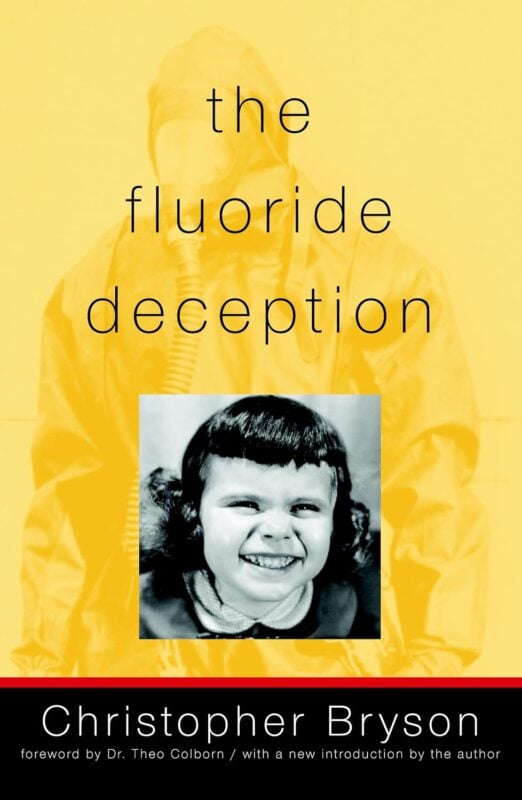
The Fluoride Deception by Christopher Bryson investigates how fluoride entered public water systems and why major institutions ignored the health consequences. The story unfolds through a network of industrial collusion, military secrecy, and compromised science, tracing the transformation of fluoride from a hazardous industrial byproduct into a government-endorsed dental additive.
Fluoride's Industrial Birthplace
During World War II, fluoride emerged as a key component in uranium enrichment for atomic weapons. The Manhattan Project required massive quantities of the compound, which produced waste that posed serious environmental and legal risks. Industrial giants like Alcoa and DuPont, heavily invested in fluoride use, faced mounting lawsuits over worker injuries and environmental damage. To avoid liability, these companies funded research that downplayed toxicity and emphasized dental benefits.
This rebranding effort turned fluoride into a symbol of modern health policy. By linking fluoride to stronger teeth, promoters masked its industrial roots and chemical volatility. Fluoride hardened metals, etched glass, and poisoned ecosystems. It was never neutral.
The Scientific Gatekeepers
The Manhattan Project’s toxicologists shaped public perceptions of fluoride safety. Harold Hodge, a senior medical officer on the project, became the nation’s leading fluoride researcher. His wartime experience studying the chemical’s effects on uranium workers positioned him as a trusted authority. After the war, Hodge advised federal agencies and dental institutions, helping cement fluoride’s reputation as benign.
Public health narratives followed Hodge’s lead. Institutions like the National Institute of Dental Research promoted fluoridation without fully vetting the long-term effects. Early studies excluded data on skeletal fluorosis, neurological damage, and enzyme disruption. Researchers raising concerns found themselves ostracized or dismissed.
A New Scientific Alarm
In the 1980s, toxicologist Phyllis Mullenix developed a computer-based system to measure neurotoxic effects in laboratory animals. Her work at Boston’s Forsyth Dental Center, funded by both private industry and the National Institutes of Health, aimed to detect subtle behavioral shifts in response to chemical exposure. When she applied the system to fluoride, the results shocked her.
Mullenix discovered that fluoride altered the behavior of rats at levels similar to those found in fluoridated water. Exposed animals showed hyperactivity, cognitive deficits, and long-term behavioral impairments. Repeated trials confirmed the findings. Mullenix presented her results to government scientists in Washington. Within months, Forsyth eliminated her position.
Fluoride’s transformation from industrial toxin to public health additive depended on silencing dissent. Mullenix’s experience mirrored that of other scientists who challenged the dominant narrative. William Marcus, a senior EPA toxicologist, faced termination after criticizing internal cancer research on fluoride. Courts later ruled he had been wrongfully fired for his scientific stance.
Corporate Science and Legal Strategy
Industrial defense of fluoride followed a pattern refined in earlier battles over lead and tobacco. The Kettering Laboratory at the University of Cincinnati, funded by companies like Alcoa and U.S. Steel, produced studies affirming fluoride’s safety. Director Robert Kehoe, who had also defended leaded gasoline, controlled the flow of information. Researchers tailored findings to minimize liability and suppress risk.
The Fluorine Lawyers Committee, a group of corporate attorneys, coordinated legal and scientific responses to lawsuits. These firms worked closely with dental researchers, crafting public relations campaigns that celebrated fluoride’s dental benefits while downplaying adverse effects. This strategic alliance shaped regulatory policy for decades.
Water Fluoridation as Policy Tool
The U.S. Public Health Service endorsed water fluoridation in 1950, bypassing standard toxicological review. Oscar Ewing, a former Alcoa attorney turned federal administrator, spearheaded the campaign. Fluoride entered municipal systems under the banner of dental hygiene, with little acknowledgment of its industrial origins or potential harm.
Communities that resisted fluoridation faced ridicule. Public debates framed opposition as irrational or conspiratorial, echoing themes from the film Dr. Strangelove. This cultural caricature buried legitimate scientific concerns. By marginalizing critics, fluoride’s promoters avoided accountability.
Health Impacts and Global Reactions
Emerging evidence links fluoride exposure to bone cancer, thyroid dysfunction, and developmental delays. These risks multiply among vulnerable populations—children, the elderly, and those with kidney disease. Studies show that fluoride’s neurological effects occur at concentrations common in treated water.
International health authorities have responded differently. Countries including Sweden, Germany, and Japan discontinued water fluoridation, citing ethical and scientific concerns. They prioritize topical fluoride through toothpaste rather than systemic exposure through water.
The United States remains a global outlier. Government agencies maintain that fluoridation is cost-effective, despite studies indicating only modest reductions in tooth decay. The CDC now acknowledges that fluoride acts topically on teeth, not systemically through ingestion. Yet the infrastructure remains in place.
Manufactured Consensus
The success of fluoride’s public image rests on strategic misinformation. Scientists affiliated with the Manhattan Project crafted early safety narratives. Industrial funding shaped university research. Regulatory agencies avoided challenging their own legacy decisions. The story of fluoride reflects institutional inertia and the challenges of revising policy in the face of new evidence.
The role of propaganda figures prominently. Edward Bernays, the “father of public relations” and nephew of Sigmund Freud, advised dental organizations on how to present fluoride to the public. His techniques emphasized emotional appeal, authority endorsement, and repetition. Fluoride’s association with clean, white teeth became cultural fact.
The False Binary of Science and Conspiracy
Public discourse often dismisses fluoride skepticism as fringe. Yet the scientists profiled in Bryson’s work hold mainstream credentials. They include Nobel laureates, university researchers, and government toxicologists. Their concern arises not from ideology but from data. The tension lies not between science and conspiracy, but between open inquiry and institutional defense.
Systemic integrity depends on confronting this record. Fluoride policy remains grounded in assumptions shaped by wartime secrecy, legal defense strategies, and public relations tactics. The evidence warrants a reexamination. Fluoridation’s modest dental benefits must be weighed against documented neurological, skeletal, and endocrine risks.
Long-Term Environmental Consequences
Fluorine-based compounds persist in ecosystems. Industrial emissions contribute to environmental contamination through air, soil, and water. Fluoride accumulates in human and animal tissues. Its chemical resilience magnifies harm over time. Products like Teflon, Scotchgard, and industrial pesticides spread these compounds far beyond municipal water systems.
As awareness grows, environmental health advocates call for comprehensive risk assessments. Regulators must examine cumulative exposure, interactions with other pollutants, and vulnerable population effects. The absence of long-term safety data does not indicate safety. It reflects historical neglect.
A Call for Scientific Accountability
The Fluoride Deception urges a reassessment of both policy and method. Scientific institutions must acknowledge how funding sources shape inquiry. Researchers must speak across disciplinary boundaries to integrate toxicology, epidemiology, and environmental science. Health agencies must prioritize transparency and precaution.
Public health depends on informed consent. Water fluoridation removes individual choice. The ethical principle of medical autonomy demands reevaluation. If fluoride’s risks exceed its benefits, policy must change.
Communities now face a choice. Accept inherited narratives or demand rigorous, contemporary science. The evidence exists. The question remains: who will act on it?