The Hotel Tacloban: The Explosive True Story of One American’s Journey to Hell in a Japanese POW Camp
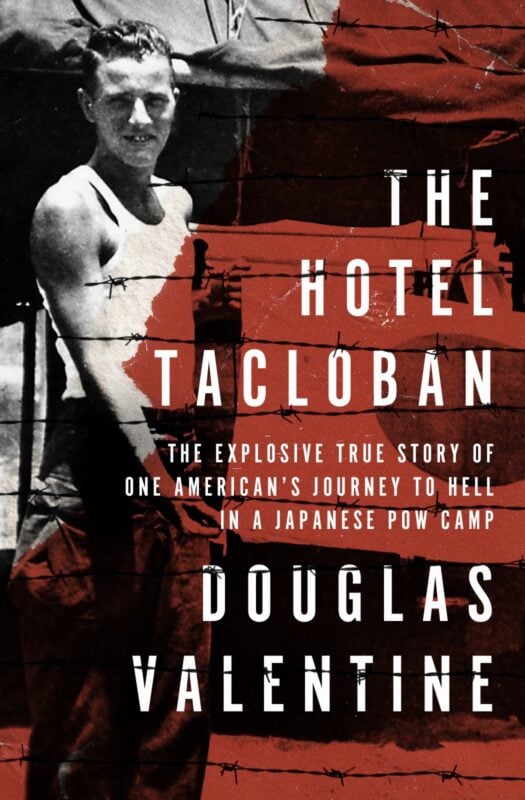
The Hotel Tacloban by Douglas Valentine recounts a buried chapter of World War II through the eyes of a soldier who was captured, erased from official records, and condemned to survive in a secret Japanese prison camp in the Philippines.
The Making of a Silent Father
Douglas Valentine’s childhood unfolded around the silence of a man who had survived the war yet never truly returned. His father, who served as a combat engineer in the Pacific theater, worked long hours, avoided military honors, and refused VA assistance. Beneath his evasions lay the weight of trauma. Only years later, and on the edge of life after multiple heart attacks, did he reveal the horrors he endured. This confession became the narrative spine of the book—a son's reckoning with a father’s silence, a nation’s oversight, and the war’s most dehumanizing machinery.
New Guinea and the Collapse of Preparation
Deployment to New Guinea placed American troops, including the young Valentine’s father, into one of the most extreme environments of the war. Lacking proper training and acclimatization, they encountered a battlefield defined by endless mud, stifling heat, and unforgiving disease. Malaria, rot, and fatigue turned men into hollow remnants of themselves. The terrain resisted mechanized warfare. Mortars, machine guns, and air raids fell into a brutal rhythm as men fought not just the Japanese but the jungle itself.
American combat engineers found themselves repurposed into infantry roles. They built fortifications and defensive positions by day, and dug in under hostile fire at night. The line moved, but slowly, and the Japanese countered each advance with snipers and ambushes. The author’s father endured constant threats from both natural and human predators, and the psychological weight of watching comrades collapse from shell shock and illness.
Friendship, Death, and Unacknowledged Sacrifice
Bobby Stevenson, Valentine’s father’s closest friend, died during a joint Australian-American amphibious landing on the New Guinea coast. He had expressed fear of the water before boarding the Higgins boat. A shell struck the craft just as they approached the beach. Bobby's body drifted away in the surf, his legs severed. Valentine’s father pulled him ashore, realizing too late that he had died. That moment, replayed endlessly in memory, became the pivot of his descent into emotional numbness. The Army’s refusal to acknowledge these men as combat casualties—because of the secret nature of the mission—intensified his anger.
Survivors bore no medals, received no recognition, and were told to forget. Official channels erased their presence. Families never heard the truth. For Valentine’s father, that betrayal outweighed the suffering inflicted by the enemy.
The Hotel Tacloban: A Hidden Hell
Captured by the Japanese, Valentine’s father was taken to a prison facility in Tacloban on Leyte Island. The camp did not exist in any official U.S. or Japanese record. Conditions there reflected calculated cruelty. Prisoners suffered starvation, beatings, forced labor, and complete psychological breakdown. Guards inflicted punishment as spectacle. Hunger hollowed out the body’s will to survive. Disease passed through the ranks unchecked. Some prisoners turned on one another. Others vanished, likely executed or dead from untreated wounds.
The camp operated in total silence from the outside world. Tacloban was not acknowledged post-war. No tribunal tried the guards. No reparations reached the men who lived through it. Valentine exposes how the U.S. government, determined to maintain secrecy around unauthorized operations, allowed its own soldiers to disappear from history.
Memory as a Weapon
The trauma endured in Tacloban returned home inside the minds and bodies of those who survived. Valentine’s father fought chronic illness: malaria flare-ups, cardiovascular disease, missing teeth, and neurological degradation. But the deeper affliction came from the memories. Nightmares replayed the war’s most violent moments. Flashbacks triggered sudden rages. Emotional withdrawal strained every relationship.
A psychiatrist convinced him, decades later, to speak—to set down the truth. That act of narrative reconstitution gave him a measure of peace. Valentine, bearing witness as son and recorder, used the taped conversations to reconstruct the history that had been suppressed. The book exists as an act of resurrection for voices buried in silence.
Unmasking Official Neglect
Valentine accuses the U.S. military command of knowingly omitting the records of those deployed in early Pacific engagements, particularly those diverted under MacArthur’s orders to Papua New Guinea. For political expediency, commanders refused to admit the presence of American ground forces. Those who died disappeared. Those who lived received no honors. Families received no explanations. This bureaucratic evasion extended to veterans’ medical claims and psychological treatment.
The Army framed malaria and other jungle-induced conditions as malingering. Soldiers with tropical diseases or mental breakdowns were stigmatized and discarded. Valentine’s father, even after multiple open-heart surgeries, refused VA support because he knew that doing so would require acknowledging events that the government denied ever occurred.
The Role of Silence in Legacy
Valentine’s work confronts the moral cost of silence—not just institutional, but familial. As a boy, he felt abandoned by his father’s emotional distance. As a man, he discovered the prison of memory in which his father lived. The revelation of the Hotel Tacloban reshaped his understanding of everything: their alienation, the house filled with unspoken tension, the refusal to engage in patriotic rituals.
He recognizes the act of writing as a form of rebellion against that silence. The book becomes a testimonial archive, a counter-record to institutional erasure, and a memorial for the dead whose graves bear no names. The story, drawn from direct oral history, resists simplification. It foregrounds the emotional logic of trauma and the physical specificity of war’s aftermath.
Legacy Beyond the Page
The Hotel Tacloban redefines what it means to survive a war. Valentine rejects the sanitized heroism of official war stories and returns to the mud, the sickness, the betrayal. His father’s story stands in for hundreds of others—men caught between two enemies, their Japanese captors and their own government’s secrecy. The book challenges readers to question how memory is controlled and how history is written.
What happens when a government refuses to admit the existence of its own soldiers? Who speaks for the dead when their identities are erased by official silence? How does a father communicate with a son when every word triggers pain? Valentine’s account answers not with abstraction but with lived detail. It demands attention, not as a tribute, but as a record of the cost of forgetting.


- Doug Valentine Interview on Hotel Tacloban
- https://www.altcensored.com/embed/Ajsp2lP3tDw
- https://podcastaddict.com/episode/108818883