Selling War : The British Propaganda Campaign Against America in World War II
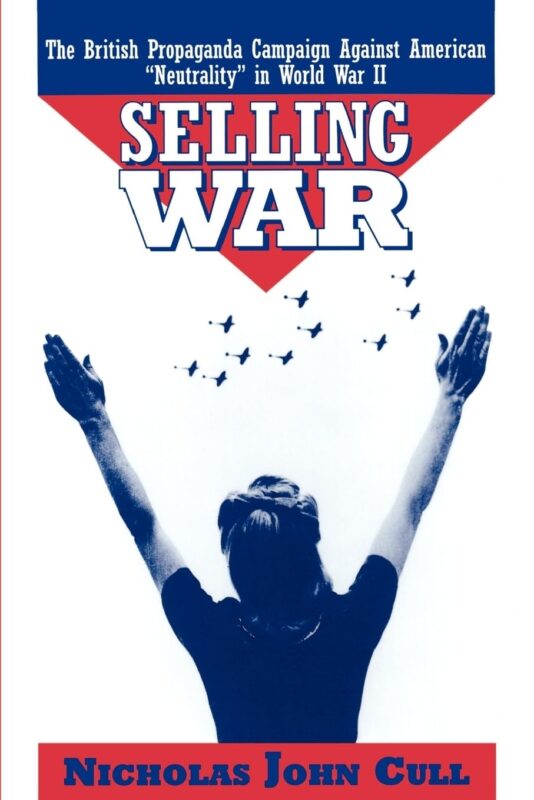
Selling War: The British Propaganda Campaign Against American “Neutrality” in World War II by Nicholas John Cull reconstructs the covert and public strategies that Britain used to transform American opinion between 1937 and 1941. As European tensions mounted and Britain faced existential threats, government officials identified the American public as the primary battleground for future alliance. Cull’s research draws from archival documents, memoirs, and media analysis, showing that the campaign to shift U.S. attitudes emerged from Britain’s acute awareness of its own limitations and America’s isolationist resolve.
Origins of the Campaign
British policy-makers, conscious of their vulnerability, began developing outreach to the United States years before war erupted. By 1937, the Foreign Office, observing both the failures of interwar diplomacy and the rise of German militarism, recognized that the country’s survival depended on outside support. Congress had entrenched neutrality in law; public attitudes in the United States, shaped by trauma from World War I and ethnic, regional, and historical skepticism toward Britain, appeared unmoved by continental crises. Yet, the British government sensed malleability beneath the surface—an unspoken capacity for empathy and shared purpose once certain cultural and emotional levers could be engaged.
Constructing Influence: Media, Networks, and Information
Britain concentrated its early efforts on elite networks and media intermediaries. The British Library of Information in New York, established after World War I, became a vital node for press relations, information dissemination, and opinion monitoring. Simultaneously, personal relationships among diplomats, journalists, academics, and cultural figures bridged the Atlantic and created a cross-national infrastructure for influence. British policy-makers cultivated these connections meticulously, using both official channels and informal gatherings to seed stories, frame narratives, and anticipate American reactions to European events.
The BBC, leveraging the new power of radio, initiated regular exchanges with American broadcasters. Through figures such as Raymond Gram Swing and Vernon Bartlett, trans-Atlantic bulletins humanized British perspectives for American listeners and contextualized the European crisis in language Americans trusted. The BBC’s New York office in the Rockefeller Center, established in the mid-1930s, expanded its mandate to recruit speakers, artists, and experts who could frame British experience for an American audience.
Cinema and Cultural Diplomacy
As tensions escalated in Europe, the influence campaign moved decisively into American popular culture. British officials recognized Hollywood as a crucial arena for framing the coming conflict. Studios, directors, and actors—sometimes motivated by their own anti-fascist beliefs, sometimes through careful cultivation by British officials—created films that cast Britain as democratic, embattled, and worthy of sympathy. Anti-Nazi newsreels such as March of Time’s “Inside Nazi Germany—1938” found wide audiences and opened the way for feature films that subtly dramatized the threat facing the world.
Hollywood’s community, including both major Jewish producers and the anglophile Fairbanks clan, responded to rising fascism with an increasing willingness to reflect British concerns. Figures like Alexander Korda, Alfred Hitchcock, and others collaborated with consular officials to ensure that British characters appeared with dignity and authenticity. Studios invited British consultants to review scripts and scenes for accuracy and impact, which further aligned the output of American mass entertainment with British propaganda objectives.
Events and Inflection Points
Propaganda efforts intensified with the onset of the “Phoney War” and, subsequently, the Blitz. News coverage of the bombings in London, carefully coordinated between British authorities and American correspondents, presented the British public as resilient and stoic. Broadcasts from the BBC and reports by journalists such as Edward R. Murrow created an emotive bridge between American audiences and Britain’s experience of war. These narratives established a common cause, dramatized the threat of German aggression, and created a psychological context that made American support seem inevitable.
The “Destroyer Deal” of 1940, which transferred U.S. naval vessels to Britain, provided a further opportunity for publicity. British officials worked to maximize the emotional resonance of these moments, framing them as gestures of solidarity and partnership, rather than transactions of convenience. Such framing elevated the symbolic stakes and reshaped American perceptions of Britain from imperial rival to embattled ally.
Orchestration and Secrecy: Covert Action
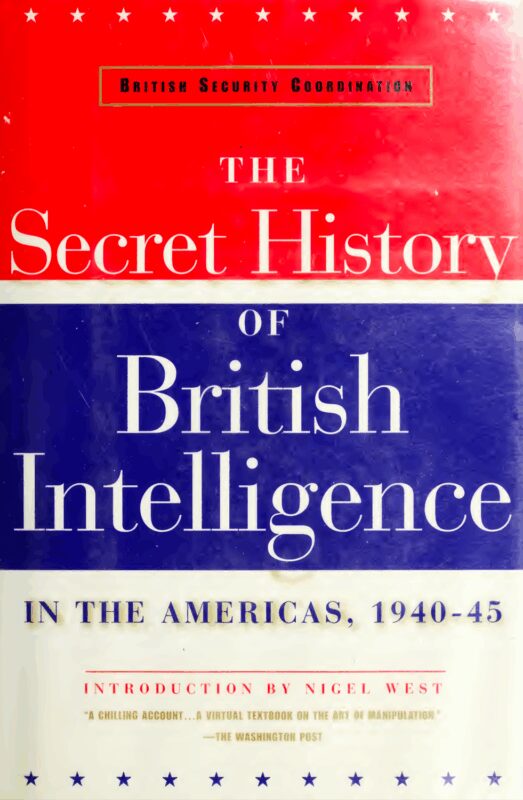
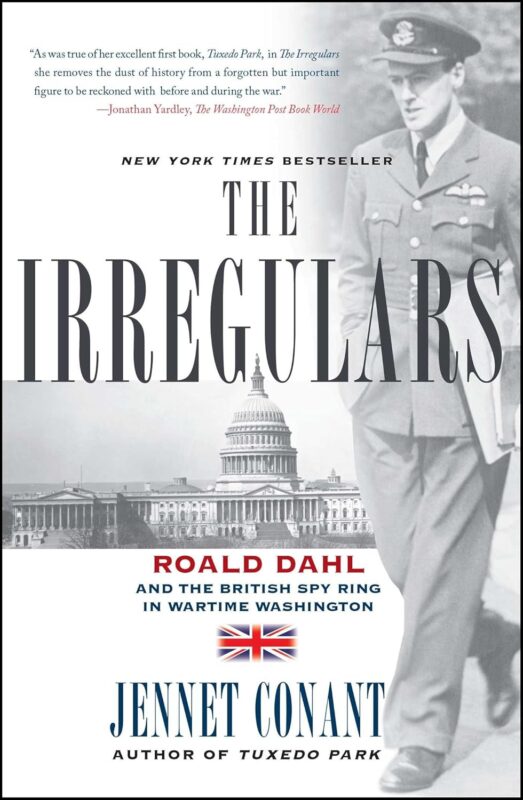
Behind the scenes, the British government invested heavily in covert propaganda and intelligence operations. The British Security Co-ordination (BSC), under Sir William Stephenson, coordinated espionage, subversion, and black propaganda from a base in New York. The BSC operated under the cover of legitimate diplomatic and commercial activity but directed a vast clandestine campaign. This effort included the planting of stories in the American press, support for interventionist organizations, and discreet cooperation with sympathetic politicians and business leaders.
The campaign relied on sophisticated opinion monitoring. Polling data from Gallup and other sources guided British messaging, allowing officials to adapt strategies in real time as American sentiment shifted. Reports from the BLI and Embassy tracked press coverage and public reactions, feeding intelligence back to London. Officials shaped interventions with precise knowledge of which messages resonated and which faced resistance.
Legality, Transparency, and Adaptation
British propagandists navigated a complex legal environment in the United States. The Foreign Agents Registration Act (FARA), passed in 1938, required all foreign agents to register their activities and label their literature. British officials responded with careful compliance, transparency where necessary, and a focus on “friendly” information, which preserved credibility and minimized suspicion. When direct advocacy threatened to provoke backlash, the campaign shifted to indirect approaches—enlisting American opinion-makers, leveraging joint cultural projects, and focusing on the provision of reliable news and cultural content.
Anglo-American Networks and Cultural Ties
Anglo-American elite networks played a pivotal role in the success of the campaign. Organizations such as the English Speaking Union, the Pilgrims Trust, and the Council on Foreign Relations facilitated ongoing exchanges between intellectuals, politicians, and businessmen on both sides of the Atlantic. Marriages among the trans-Atlantic elite—between British aristocrats and American heiresses—created channels for influence that reached deep into both societies. These personal ties fostered trust, access, and, crucially, the ability to coordinate responses during crisis.
Cultural diplomacy supplemented political engagement. British officials and American sympathizers organized lectures, exhibits, and events that showcased British culture, democratic traditions, and war aims. The British pavilion at the 1939 New York World’s Fair presented a narrative of progress, resilience, and shared values. Writers, artists, and musicians participated in a sustained campaign to frame Britain as a repository of Western civilization, threatened by barbarism and deserving of support.
The American Interventionist Movement
British efforts dovetailed with, and sometimes guided, the emerging interventionist movement in the United States. Organizations such as the Committee to Defend America by Aiding the Allies (CDAAA) and Fight For Freedom became platforms for pro-British advocacy. British officials discreetly funded, advised, and supplied materials to these groups, ensuring that arguments for aid and engagement reflected both American priorities and British needs.
Speeches, articles, and books by American intellectuals and celebrities—many with ties to Britain—became central vehicles for advocacy. The campaign privileged American voices, with British officials working behind the scenes to shape messaging and provide talking points. Roosevelt’s administration, although formally neutral, quietly welcomed British information and guidance, using it to prepare the public for a shift in policy.
Convergence of Strategy and Public Sentiment
As 1941 progressed, British strategy and American public sentiment converged. News of the Blitz, the fall of France, and German advances in Eastern Europe, amplified by British and American media, made isolationism increasingly untenable. The propaganda campaign, by then deeply integrated with American networks and institutions, primed both elite and mass audiences for a commitment to the Allied cause.
The attack on Pearl Harbor provided the final catalyst. With the entry of the United States into the war, the overt need for British propaganda diminished, but the infrastructure and relationships established during the campaign endured. The Anglo-American “special relationship” in intelligence, media, and policy coordination traces its origins to these wartime collaborations.
Legacy and Historical Significance
Cull’s analysis reveals that the British campaign’s success depended on the integration of multiple strategies—public, private, legal, covert, cultural, and personal. The campaign validated the power of mass persuasion, media manipulation, and elite networking as tools of foreign policy. Propaganda, defined as the deliberate shaping of attitudes and beliefs through strategic communication, emerges in Cull’s account as a foundational practice of modern international relations.
The campaign’s legacy extends beyond the Second World War. Britain’s wartime experience in propaganda set precedents for postwar information policy, psychological operations, and media diplomacy. The methods pioneered—opinion research, cultural outreach, cinematic influence, and networked advocacy—became central features of Cold War strategy and remain relevant in the information age.
Cull’s narrative asserts the primacy of information, culture, and personal relationship as determinants of alliance and action in the modern world. By tracing the precise mechanisms, agents, and outcomes of the British propaganda campaign, Selling War provides a definitive account of how governments can mobilize media and society to serve strategic goals, shaping the destinies of nations through persuasion, partnership, and perception.

About the Book