Confessions of an Economic Hit Man
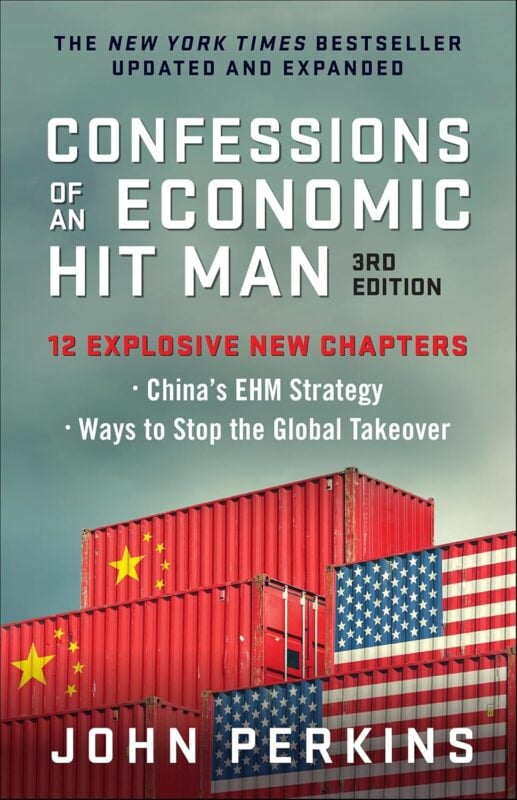
Confessions of an Economic Hit Man by John Perkins exposes the mechanisms of global economic control and the real strategies driving international development, debt, and power. Perkins’s firsthand account demonstrates how powerful countries deploy skilled professionals—economic hit men, or EHMs—to orchestrate financial dependence, resource extraction, and the shaping of national destinies. The book offers detailed narrative and analytical insight into the covert machinery that channels global wealth, enforces elite interests, and perpetuates patterns of inequality and environmental degradation.
The Architecture of Economic Hit Men
Economic hit men operate as agents of influence, sent to countries rich in resources but lacking financial and technological infrastructure. They design proposals for massive infrastructure projects—dams, power plants, highways—ostensibly to modernize and uplift. Their technical forecasts, feasibility studies, and market analyses persuade governments to accept loans from global financial institutions such as the World Bank and IMF. The terms embed recipients in escalating debt obligations collateralized by their own resources. EHMs structure these agreements so that most of the funds return to companies in the lender’s home country, channeling profits back to the originator while nominally improving the host nation’s capacity.
Debt and Dependency as Leverage
Debt serves as a fulcrum. When a country falls behind on payments, EHMs and their sponsors leverage renegotiation. They extract further concessions: privatization of national industries, reduction of social spending, and favorable trade terms. Political leaders face pressure to comply or risk destabilization. Loan agreements increasingly demand structural reforms that divert resources from public goods to debt service, redirecting the economic future toward the interests of creditors. In the event of resistance, more direct tactics come into play.
Jackals and Covert Intervention
When economic incentives and negotiations fail, covert operatives—“jackals”—arrive. These actors resort to destabilization, intimidation, and, in extreme cases, orchestrate coups or assassinations. Perkins details instances where political leaders who challenged the imposed system faced orchestrated accidents or uprisings. The operational boundary between economic and political pressure blurs. Economic hit men set the terms, but jackals enforce them, ensuring that lucrative contracts, military basing rights, and resource extraction proceed without interruption.
The Role of Perception and Ideology
The EHM strategy depends on shaping perception. Official reports, media campaigns, and university programs train leaders and citizens to equate foreign investment with prosperity. Development metrics—GDP, infrastructure access, foreign reserves—present an image of national progress. Behind these statistics, however, the actual distribution of wealth narrows, with local elites and foreign investors reaping gains. The ideological framing masks rising inequality, environmental devastation, and the consolidation of power among a transnational elite.
Transformations in the Global System
The system evolves. In the late twentieth century, the United States dominated EHM operations. Global financial institutions, operating under the so-called Washington Consensus, tied aid and investment to neoliberal reforms: privatization, deregulation, and trade liberalization. Perkins reveals how these conditions serve the interests of multinational corporations and financial conglomerates. Over time, a new actor emerges—China—introducing its own global development strategy, the Belt and Road Initiative.
China’s Strategy: Belt and Road
China extends massive loans to developing nations for ports, highways, power stations, and digital infrastructure. Chinese state-owned enterprises oversee construction and supply materials, labor, and technical support. Recipient governments find the non-interference rhetoric appealing, and Beijing promises development without demands for political reform. Yet, Chinese loans also induce heavy debt burdens, and project contracts often specify Chinese inputs and future maintenance, forging long-term dependency. In Africa, Latin America, Southeast Asia, and beyond, Chinese infrastructure projects proliferate, demonstrating the scalability of the EHM model. As nations accumulate debt, they offer stakes in strategic assets, grant access to natural resources, or align with Chinese diplomatic interests.
Four Pillars of Control
Perkins identifies four recurring levers: fear, debt, anxiety over insufficiency, and divide-and-conquer tactics. Fear operates both through implied military threats and via economic collapse. Debt binds governments to external obligations. Anxiety over basic needs compels acceptance of externally guided development. Divide-and-conquer ensures fragmented opposition and the stability of client regimes. These pillars reinforce one another. For example, debt induces fear of default, which justifies emergency reforms and external oversight. Anxiety about poverty legitimizes foreign partnerships. Divisions among social groups or neighboring states prevent coordinated resistance.
Case Study: Ecuador and Rafael Correa
Rafael Correa, Ecuador’s president, demonstrates the strategic complexity facing national leaders. Correa challenges U.S.-imposed debt, investigates the origins and legitimacy of national obligations, and renegotiates terms. International credit agencies retaliate, lowering Ecuador’s rating. Facing financial isolation, Correa turns to China, which offers new loans and project finance. Chinese money flows into hydroelectric dams, highways, and mining. Initially, the partnership elevates infrastructure, increases wages, and expands access to services. Over time, mounting debt and mismanaged projects—such as poorly engineered dams that harm the environment and local communities—create new vulnerabilities. The cycle repeats as China acquires preferential access to oil and minerals, binding Ecuador to long-term contracts and repayment schedules. Correa’s administration becomes entangled in corruption scandals. The promise of economic sovereignty gives way to fresh dependency.
Environmental and Social Impacts
Large-scale projects often trigger cascading ecological and social consequences. Dams and mines constructed with minimal oversight generate pollution, deforestation, and loss of biodiversity. Indigenous communities lose traditional lands and livelihoods. Local officials, incentivized by foreign loans and construction contracts, bypass environmental assessments and consent processes. Communities resist, but face repression, legal threats, and displacement. The logic of debt-driven development prioritizes extractive growth over sustainable livelihoods, embedding cycles of environmental loss and social unrest.
Metrics, Illusions, and Realities
Statistical measures shape the international narrative. Metrics such as GDP growth, infrastructure coverage, and export expansion indicate upward trends. These measures obscure the distributional realities: wealth accrues to domestic elites and foreign investors; wages stagnate for the majority; environmental costs accelerate. The framing of progress in terms of material consumption and aggregate output privileges capital-intensive sectors over public health, education, or ecological stability. Governments trumpet new highways, power plants, and trade deals, even as living conditions deteriorate for millions.
From the Cold War to Multipolar Competition
During the Cold War, EHM strategies advanced under the imperative to prevent the spread of communism. Infrastructure loans, military aid, and economic restructuring aligned recipient countries with Western interests. After the Cold War, these practices expanded, as financial markets, trade agreements, and investment flows globalized. Multipolarity intensifies competition. China, Russia, the European Union, and regional powers adopt similar models, competing for influence through infrastructure investment and strategic partnerships. Countries navigate competing offers, shifting allegiances, and complex webs of obligation.
The Death Economy
Perkins characterizes the prevailing global system as a “death economy.” This term encapsulates the pattern of rewarding extraction, pollution, and short-term profit at the expense of long-term social and ecological health. The death economy treats people and nature as inputs to be used and discarded. It rewards those who maximize resource flows, regardless of externalities. Policy frameworks, corporate incentives, and educational curricula reinforce the orientation toward accumulation, growth, and market expansion.
Toward a Life Economy
A structural alternative emerges: the “life economy.” This model prioritizes investment in ecological restoration, renewable energy, public health, education, and social equity. Incentives reward projects that regenerate landscapes, empower communities, and cultivate resilience. Financial flows support technologies and practices that mitigate climate change, heal degraded ecosystems, and strengthen participatory governance. The life economy recognizes the planet’s biophysical limits and integrates long-term well-being into decision-making.
Agency and Complicity
Perkins insists that the EHM system implicates broad segments of society. Propaganda, inertia, and institutional routines shape attitudes and choices. Citizens support, invest in, and reproduce the structures that perpetuate exploitation, often without conscious intention. Recognizing one’s own role within the system creates openings for resistance, reform, and transformation. Agency flows from awareness: individuals, organizations, and movements challenge the logic of the death economy, advocate for alternative metrics, and demand accountability from corporations and governments.
Building Structural Change
Transformative change requires coordinated action across scales. Political leaders, civil society groups, businesses, and citizens align efforts to redirect investment, change legal frameworks, and shift public narratives. International coalitions advance fair trade, climate justice, and human rights. Participatory budgeting, community-owned enterprises, and regenerative agriculture exemplify life economy practices. Institutions measure success in terms of equity, sustainability, and resilience, rather than short-term growth or financial returns. Education systems foster critical thinking, civic engagement, and ecological literacy.
Crisis and Opportunity
Global crises—pandemics, climate shocks, financial meltdowns—expose the vulnerabilities of the death economy and create openings for systemic change. During the COVID-19 pandemic, governments and communities demonstrated the capacity to reallocate resources, implement public health measures, and cooperate across borders. The Russian invasion of Ukraine reactivated military tensions and highlighted the stakes of resource competition and geopolitical rivalry. Such crises force reassessment of priorities and catalyze conversations about alternative futures.
Cooperation and Global Responsibility
A path forward requires new forms of international cooperation. States, businesses, and civil society organizations forge alliances based on shared responsibility for the planet and its inhabitants. Cooperative agreements prioritize climate action, equitable development, and peacebuilding. Leaders embrace principles of reciprocity, mutual respect, and long-term stewardship. Technological innovation, cultural creativity, and spiritual traditions inform new visions of progress.
Inspiration for Action
Confessions of an Economic Hit Man demonstrates that the global economy operates through designed systems of power, finance, and influence. The book calls readers to move from spectatorship to engagement, from complicity to agency. The future hinges on the capacity to understand, challenge, and reshape the structures that shape human destiny. Perkins’s narrative invites action: to reject inertia, build solidarity, and participate in the creation of a regenerative, equitable, and sustainable world. What kind of world emerges when collective action replaces resignation, and when the pursuit of life takes precedence over the demands of accumulation? This question drives the book’s momentum, inviting ongoing commitment to the work of structural transformation.