Becoming Yourself: Overcoming Mind Control and Ritual Abuse
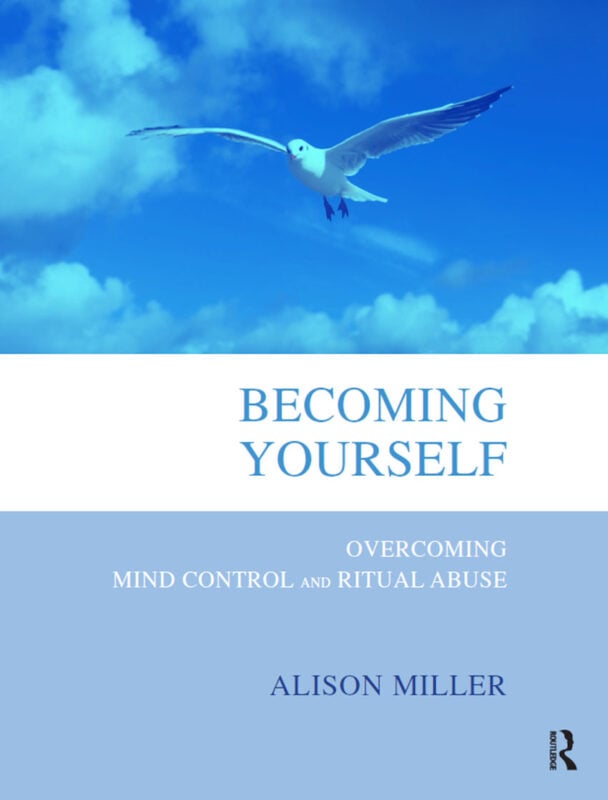
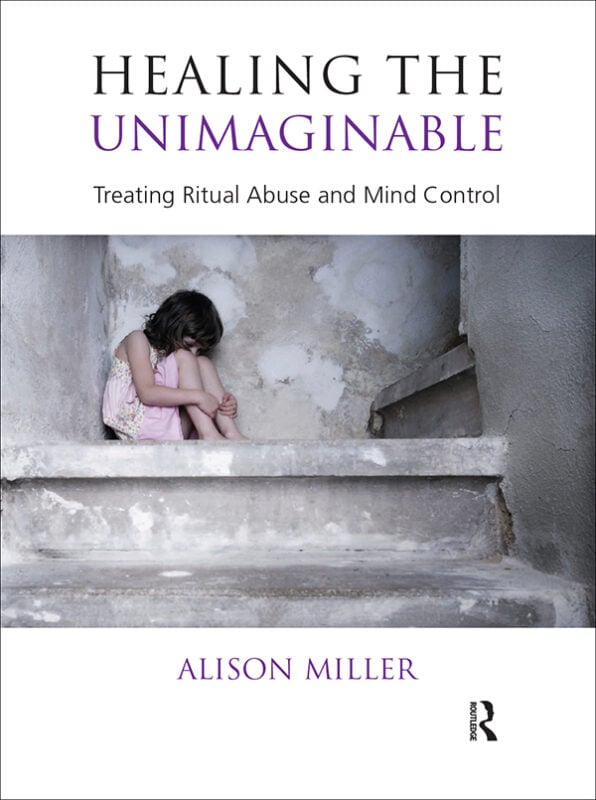
Becoming Yourself by Alison Miller examines the intricate realities of survivors of ritual abuse and mind control, offering a structured therapeutic guide to recovery. The book synthesizes survivor narratives, clinical insight, and direct therapeutic exercises to assist individuals in reclaiming their identity after complex trauma.
Symptoms and Systematic Dissociation
Extreme childhood abuse, especially ritualistic and systematic, fractures identity. The book opens with the assertion that mind control relies on splitting a child's psyche through orchestrated trauma. These divisions, or alters, become compartmentalized entities, each holding distinct experiences, emotions, and memories. The clinical insight begins with recognizing the symptoms—amnesia, sudden mood changes, flashbacks, and triggered behaviors. Survivors often encounter parts within that have no awareness of one another, making diagnosis and treatment difficult without an informed, dissociation-focused approach.
Multiplicity is not a psychological anomaly to pathologize. It is a survival strategy. Miller emphasizes that understanding and working with these internal parts, not against them, forms the foundation of healing.
Internal Systems Created Through Programming
Miller defines engineered multiplicity as a deliberate, structured creation of personality systems by perpetrators, often involving cults or militarized entities. These systems follow hierarchical internal structures designed to maintain secrecy and control. Front personalities—outwardly functional, emotionally disconnected individuals—mask the internal chaos. Other parts handle pain, maintain loyalty to perpetrators, or sabotage therapeutic progress. These dynamics, Miller asserts, are not accidental but induced.
The book dissects the process of indoctrination—breaking the will of the child through pain, rewards, drugs, sensory deprivation, and distorted love—to create compliance. Survivors carry within them parts that were conditioned to believe they are evil or worthless, or that revealing the truth will cause harm to others. These inner systems are often governed by intense fear, loyalty to abusers, or false memories implanted to deter disclosure.
Building Safety and Recognizing Triggers
Recovery demands a secure, non-coercive environment. Miller provides detailed strategies for identifying triggers—external stimuli or internal messages that re-activate trauma memories or programmed behaviors. She distinguishes between flashbacks that re-experience trauma and programmed triggers that enforce secrecy or self-harm when the survivor nears hidden truths. Her methodology supports both, offering exercises to identify which insiders control specific responses and how to engage them.
Creating safety also includes internal communication. Miller proposes using visualization tools such as internal “viewing rooms” for child parts, where they can observe external life without being overwhelmed. The goal is co-consciousness—shared awareness among parts—rather than immediate integration.
From Fragmentation to Internal Community
Integration, in Miller’s framework, is not a mandatory endpoint. The therapeutic goal is inner cooperation. Survivors, through guided visualization and consistent therapeutic dialogue, can create inner homes, schools, and safe places for their parts. Shared values, rather than obedience to programming, begin to emerge.
Survivors recount, in their own words, how they shifted from isolated fear and inner warfare to systems where parts supported one another. These narratives demonstrate the viability of recovery paths that respect the survivor’s internal architecture rather than enforcing conformity to external models of wholeness.
Authenticity and Reclaiming the Self
The book culminates in the assertion that healing is the process of becoming oneself—not a return to a past identity, but the development of an authentic life rooted in one's true essence. Miller encourages survivors to define values beyond “being good” as defined by abusers. The challenge is to reject imposed identities and construct a life from internal truth, free of external control.
Survivors must confront the values implanted by abusers—obedience, silence, betrayal of self—and replace them with personally chosen ethics. Exercises in the book guide survivors through dialogues with their parts to establish these values. These new moral frameworks, grounded in compassion and autonomy, redefine self-worth.
Supporting Relationships and External Functioning
Beyond internal healing, Miller addresses the survivor’s relationship with the outside world. Many survivors experience difficulties in relationships, careers, and parenting due to internal chaos or mistrust. The book includes strategies for navigating these domains while maintaining progress. Survivor contributions detail how understanding, co-conscious systems can manage daily life, protect children, and engage in supportive partnerships.
The book emphasizes the necessity of selecting informed, ethical therapists who understand the dynamics of ritual abuse and programmed DID. Survivors recount failures with ill-informed professionals and successes with those who validate their experiences and work collaboratively.
Spirituality and Final Healing
Spiritual abuse—co-opting the soul’s yearning for meaning—is a central tactic in many abuse systems. Miller addresses the reclamation of spirituality through parts who may retain authentic spiritual memories, despite coercion. Healing involves rediscovering faith as an inner compass, not a weapon.
The final chapters call for the development of the survivor’s future self, untethered from past definitions. The healing process is nonlinear but transformative. Survivors are empowered to create, endure, and contribute. The book concludes with a message of admiration and solidarity: survivors are not broken—they are profoundly resilient.
Becoming Yourself transcends a clinical manual. It offers a blueprint for identity reclamation in the aftermath of unspeakable trauma. It argues not just for healing, but for emergence—into agency, coherence, and meaning.