The Secrets of the Federal Reserve
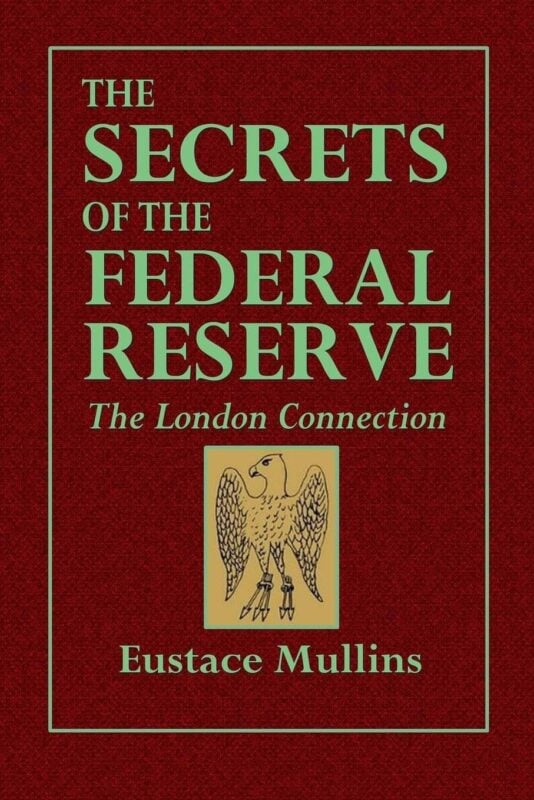
Secrets of the Federal Reserve by Eustace Mullins exposes the origins, architecture, and enduring influence of the American central banking system, rooting its foundation in clandestine meetings, elite international finance, and calculated propaganda campaigns. Mullins narrates a story of how the Federal Reserve emerged from secrecy, linking its creation directly to the ambitions of powerful banking dynasties and global financiers, particularly the Rothschilds and their European associates. The work traces intricate connections, uncovering methods, motives, and outcomes that have shaped U.S. economic and political history.
The Jekyll Island Genesis
A group of the nation’s most powerful bankers and political actors, including Senator Nelson Aldrich, Frank Vanderlip of National City Bank, Henry P. Davison of J.P. Morgan & Co., and Paul Warburg of Kuhn, Loeb & Co., converged in secrecy on Jekyll Island, Georgia, in November 1910. Their sealed railway car, departing under the cover of darkness, embodied the need for absolute privacy as these men set out to design a new banking order. The Jekyll Island Hunt Club, isolated from journalists and the public, hosted their rigorous deliberations over nine days. During this time, they hammered out a plan that would shape U.S. monetary policy for generations.
Why did these bankers gather in such secrecy? The group faced fierce public resistance to central banking, fueled by memories of the First and Second Banks of the United States and the populist backlash against concentrated financial power. By concealing their identities and intentions, the Jekyll Island architects ensured that their scheme would escape public scrutiny and political sabotage. Their agreement to use only first names further insulated their discussions. Mullins asserts that the outcome was a plan for a privately controlled central bank, masked by the label “Federal Reserve System” to diffuse opposition and disguise its true character.
The Rise of the Aldrich Plan
Upon returning to New York, the Jekyll Island cohort launched an aggressive national propaganda campaign. Three leading universities—Princeton, Harvard, and the University of Chicago—served as platforms to sway opinion, while a multimillion-dollar fund paid for educational outreach and advocacy. Woodrow Wilson, then president of Princeton and soon to be governor of New Jersey, emerged as a vocal proponent of the Aldrich Plan.
Senator Nelson Aldrich and his allies orchestrated the creation of the National Monetary Commission in response to the Panic of 1907, using the crisis as justification for radical change. The commission’s official work spanned years and cost hundreds of thousands of dollars, yet the true plan originated in private on Jekyll Island, not in congressional hearings or official reports. By the time the plan reached Congress, it had absorbed input from the world’s financial elite and aligned with the priorities of New York and European banking houses.
How did the architects secure public acceptance for such a dramatic restructuring of financial power? They strategically avoided the term “central bank,” opting for regional Federal Reserve Banks to foster the illusion of decentralization and government oversight. The name itself served as camouflage, while the underlying structure vested decisive control in the hands of private banks, particularly those based in New York. Congress held hearings, but Mullins documents that the process systematically excluded critics and shielded the true sponsors of the plan from meaningful scrutiny.
The Federal Reserve Act and Its Passage
Legislative maneuvering and calculated deception brought the Federal Reserve Act to a vote in 1913. The bill’s passage relied on the staged opposition of key bankers, who publicly criticized the bill to mask their own involvement in its drafting. As debate intensified, both political parties included currency reform in their platforms, yet offered proposals nearly identical in substance, differing mainly in name and rhetorical packaging.
The political upheaval of the 1912 election cleared the way for the Act. Theodore Roosevelt’s third-party challenge fractured the Republican vote, paving the way for Woodrow Wilson’s victory. Congressional Democrats, now in control, shepherded the legislation to passage. The Act established a board of governors, but gave the real power to a Federal Advisory Council selected by the private member banks. This council operated out of the public eye, making strategic decisions that shaped national credit and monetary policy.
Control and Influence: The London Connection
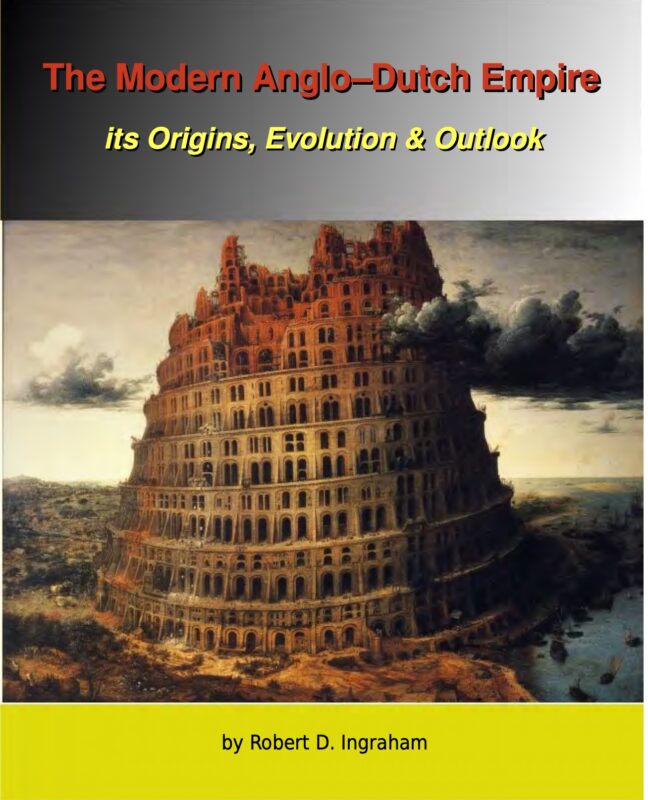
Mullins places the Federal Reserve within a transnational network centered in London, with the Rothschild family at its core. The City of London, through its acceptance houses and financial syndicates, exerted direct and indirect influence over U.S. monetary affairs. Mullins documents blood, marriage, and business ties connecting American banking families to their European counterparts. He asserts that the founding stockholders of the Federal Reserve traced their capital to parent companies abroad, particularly to those authorized by the Bank of England.
The book argues that American sovereignty over its money supply has eroded, replaced by a system responsive to global interests. Congressional and presidential oversight serve as window dressing, while the true mechanics of credit creation and monetary expansion occur in private boardrooms and international financial centers. The Federal Reserve operates not as a federal institution, but as a private syndicate whose policies often align with the objectives of London-based banking houses.
Propaganda and Academic Partnership
Mullins describes a vast, coordinated propaganda campaign to build public support and legitimacy for the new central banking regime. The National Citizens’ League, staffed by professors and funded by bankers, worked to “educate” the public about the supposed benefits of the Federal Reserve. Academic figures such as J. Laurence Laughlin and O.M. Sprague championed the cause, producing research and public statements that echoed the messaging crafted by the plan’s architects.
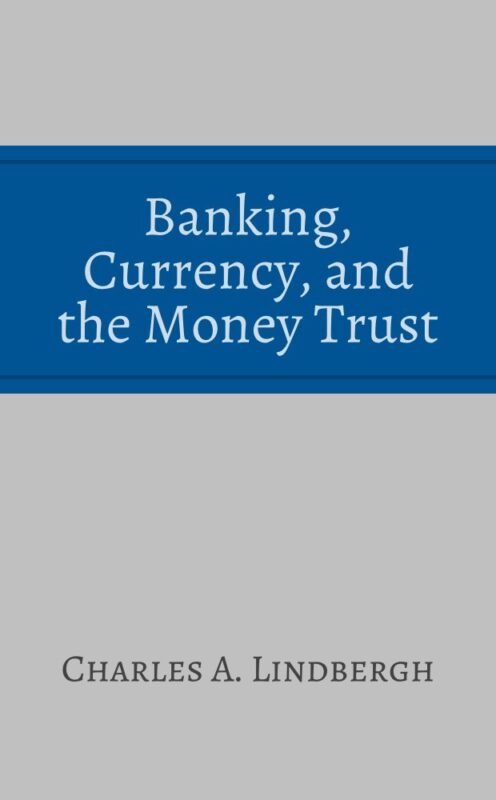
The campaign succeeded in neutralizing dissent and shaping elite opinion. Opposition voices in Congress, like Congressman Charles Lindbergh Sr., described the emerging system as a trust for the benefit of bankers. Critics warned of inflation, the dangers of private control over credit, and the marginalization of government authority in monetary affairs. Mullins argues that these warnings proved prescient as the Federal Reserve consolidated its position.
Economic Crises and Policy Outcomes
The book connects the Federal Reserve’s actions to major events and crises in American history. Mullins details the role of the central bank in funding World War I, fostering the Agricultural Depression of the 1920s, enabling the market collapse of 1929, and deepening the Great Depression. He contends that the ability to expand or contract the money supply, concentrated in private hands, created cycles of boom and bust that served the interests of the banking elite.
Mullins traces how the Fed’s policies transformed American wealth from real assets—land, factories, resources—into paper claims controlled by financial intermediaries. After World War II, this process intensified, leading to a shift in which the United States became the world’s largest debtor. The conversion from productive wealth to debt obligations accelerated the concentration of power and left the broader public economically vulnerable.
Suppression of Dissent and Control of Discourse
Mullins highlights how powerful interests moved to suppress critics and alternative viewpoints. He recounts how Ezra Pound, who commissioned Mullins’ research, endured years of political imprisonment, effectively silenced by the state. Other dissenters, from journalists to members of Congress, faced marginalization or worse. The author describes a culture in which questioning the Federal Reserve’s legitimacy or raising the specter of foreign influence risked ostracism or official retaliation.
Publishing houses, academic institutions, and media outlets often ignored or actively suppressed research critical of central banking orthodoxy. Mullins recounts his own struggles to find a publisher for his book and describes the burning of early editions in postwar Germany, an act approved by high-ranking U.S. officials. The narrative advances the idea that control of information forms a crucial part of the system’s stability.
International Banking Families and the Rothschild Legacy
Throughout the work, Mullins traces the power of the Rothschild banking family and allied European houses in shaping the American monetary order. He presents evidence of interconnected directorates, business partnerships, and strategic marriages linking U.S. and European financial elites. By locating the true center of monetary power abroad, Mullins positions the Federal Reserve as an instrument of foreign economic interests.
The structure of the Federal Reserve, with its regional banks and layers of advisory councils, reflects these global connections. The London Acceptance Council, the Rothschilds’ network of banking houses in Frankfurt, Paris, Vienna, and Naples, and the presence of Warburg and Seligman family interests in New York all converge to form a financial apparatus with transatlantic reach. This international network, Mullins argues, operates with remarkable secrecy and effectiveness.
The Federal Reserve and American Political Life
Mullins narrates how the creation of the Federal Reserve reshaped American politics. The power to create money and extend credit influenced elections, shaped public policy, and funded wars. Bankers who supported the Federal Reserve Act gained enormous leverage over Congress and the presidency. Legislative investigations and reform efforts, like the Pujo Committee hearings, rarely threatened the underlying structure, as witnesses faced orchestrated questioning and critics remained excluded from meaningful testimony.
This new arrangement, Mullins claims, left the American people dependent on a monetary system they did not control, paying interest on their own currency and shouldering the burdens of recurrent crises. The transformation from a productive, asset-based economy to a debtor nation underlines the far-reaching consequences of central bank dominance.
Call to Awareness and Action
Mullins closes with a call for Americans to recognize the structure and implications of the Federal Reserve System. He insists that the central bank represents a deliberate betrayal of American independence, engineered by international finance for private benefit. By documenting the origins, connections, and outcomes of the Federal Reserve, Mullins encourages readers to demand transparency, accountability, and a return to public control over national monetary policy.
Does the evidence assembled by Mullins point toward a path of reform? Will the exposure of hidden mechanisms inspire renewed debate over the foundations of American economic life? The book leaves these questions open, insisting that awareness must precede action, and that the future of American sovereignty depends on reclaiming authority over money and credit.
Convergence and Legacy
The history traced in Secrets of the Federal Reserve converges on a pattern of centralized power, international influence, and enduring secrecy. Through detailed archival research, narrative reconstruction, and a focus on the personal motives and relationships of those involved, Mullins constructs a chronicle of ambition, caution, and engineered outcomes. The book’s legacy endures in ongoing debates over central banking, national sovereignty, and the interplay between public policy and private interests. As economic and political currents shift, the questions raised by Mullins continue to shape the search landscape for those seeking to understand the origins and consequences of the Federal Reserve System.