Esoteric Hollywood: Sex, Cults and Symbols in Film
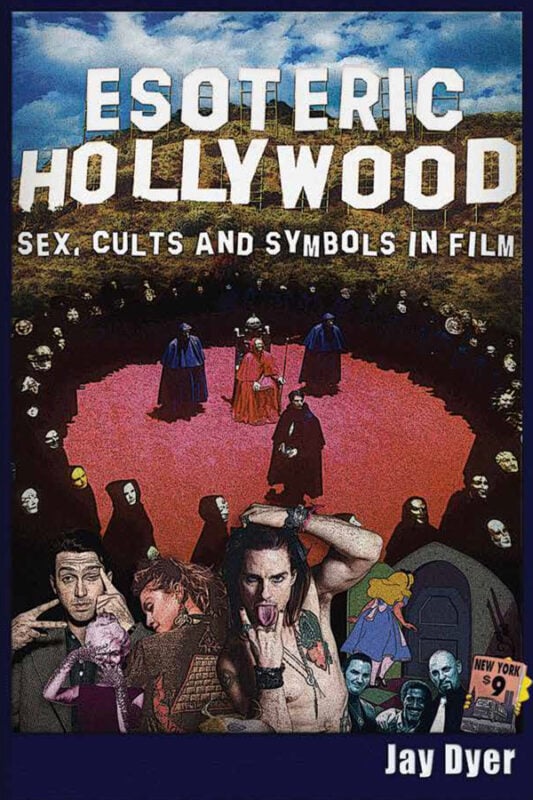
Esoteric Hollywood: Sex, Cults and Symbols by Jay Dyer investigates the occult, ritual, and intelligence roots of Hollywood through film analysis, historical inquiry, and cultural critique. Dyer maps the architecture of Hollywood’s influence, showing how film genres operate as ritual mechanisms and myth-making engines. The book positions cinema as a contemporary extension of the ancient mysteries, linking the medium’s iconography and narrative structures to political control, psychological conditioning, and esoteric initiation.
Hollywood as Ritual Technology
Jay Dyer identifies the film industry as a complex ritual technology that transmits coded messages, shapes collective consciousness, and engineers consent. The book asserts that Hollywood does not simply entertain, but also initiates audiences into new ways of seeing and believing. Each genre, through repetition and stylization, builds archetypes that embed worldviews and ethical systems. Dyer demonstrates how the formal properties of genre—such as the conventions of the thriller, the mythic structure of science fiction, and the psycho-sexual undertones of noir—function as liturgies that ritualize participation in the story-world. Audiences, positioned as ritual participants, reenact the dramas that screenwriters and directors design. The screen acts as the threshold through which mass consciousness receives symbols, moral directives, and existential scripts.
The Occult Empire: Hollywood Babylon
The narrative locates Hollywood within the ancient tradition of the “mystery religions,” framing the industry as a new Babylon—an empire that commands devotion, sacrifice, and obedience. Dyer connects the architecture and ceremony of the studio system to initiatory rites, esoteric societies, and the orchestration of belief. The book’s glossary arms the reader with precise definitions of terms from Hermeticism, Kabbalah, and ritual magic, anchoring the argument in historical specificity. Dyer explains that the theatrical stage, from ancient Greece to the Renaissance masked ball, served as the locus of religious and magical invocation. He positions the film set, studio lot, and cinema as the contemporary sanctuaries where new gods and new myths are manufactured.
The Shamanic Role of the Actor
Actors, in this schema, act as shamanic mediators. Dyer cites authorities on ritual drama and method acting to illustrate how performers open themselves to unseen forces, channeling archetypal energies into the mass psyche. The acting process, especially in its most immersive forms, carries forward the function of the ancient shaman or hierophant. The role of the actor includes channeling the mythic and occult energies embedded in the script, rendering them incarnate through gesture, speech, and psychological transformation. The drama becomes an act of magical sympathy—what is enacted on stage or screen manifests effects in the world beyond the theater.
Kubrick’s Eyes Wide Shut and Initiation in Film
One of the most detailed analyses in the book centers on Stanley Kubrick’s Eyes Wide Shut. Dyer demonstrates how Kubrick’s work encodes the logic of ritual initiation, elite control, and sexual magick. The film’s architecture, from its use of mirrors to its recurring imagery of pillars and thresholds, signals entry into an esoteric order. Characters become initiates, unwittingly drawn into ceremonies that reveal the mechanisms of oligarchic power. Kubrick deploys visual and narrative cues—mirrors, masks, ritual orgies, and references to Freemasonry—to trace the protagonist’s passage from ignorance to partial knowledge. The film blurs the line between dream and waking life, drawing the viewer into a psycho-sexual labyrinth where elite rituals orchestrate not only the fates of characters, but also the perceptions of the audience. Dyer tracks the causal sequence: personal temptation triggers exposure to the upper echelons of society, which in turn reveals a network of ritual, control, and secret hierarchy. This structure appears throughout Kubrick’s body of work, embedding occult logic and ritual motifs in mainstream entertainment.
Genre as Esoteric Transmission
Science fiction, fantasy, noir, and espionage thrillers each transmit distinct messages to their audiences, according to Dyer’s framework. Spielberg’s films, such as E.T., Close Encounters, and A.I., encode transhumanist themes and mythic structures that signal the transition from human to post-human identity. Dyer asserts that these narratives operate as vehicles for philosophical and political concepts, from panspermia to technocracy, embedding cosmological and existential directives in the form of accessible popular stories. Fantasy films of the 1970s and 1980s—Logan’s Run, Zardoz, Labyrinth, NeverEnding Story, Legend, Blade Runner, and Prometheus—each function as dystopian allegories, offering rituals of transition, transformation, and awakening in the face of dehumanizing forces. Dyer identifies causal chains in these works: a world in crisis demands new initiations, new rites, and new configurations of meaning. Genre conventions, far from offering escapism, reinforce the internalization of esoteric and technocratic worldviews.
Deep State, Intelligence, and Symbolic Control
The latter sections of the book investigate the relationship between Hollywood, intelligence agencies, and occult societies. Dyer marshals references to CIA and MI6 involvement in the entertainment industry, analyzing Bond films, Hitchcock’s thrillers, and David Lynch’s surrealist narratives. The analysis traces how the intelligence apparatus integrates media production, crafting symbols and stories that shape mass perception. The Bond franchise, with its recurring motifs of secret societies, high technology, and ritualized violence, operates as a blueprint for deep-state operations and psychological conditioning. Hitchcock’s Vertigo and North by Northwest reveal coded references to psychological manipulation, doubles, and shadow government. Lynch’s Twin Peaks and Mulholland Drive depict the disintegration of identity under ritual pressure, exposing the psychodramatic mechanisms of mind control, dissociation, and narrative engineering.
Mind Control, Programming, and the Mass Psyche
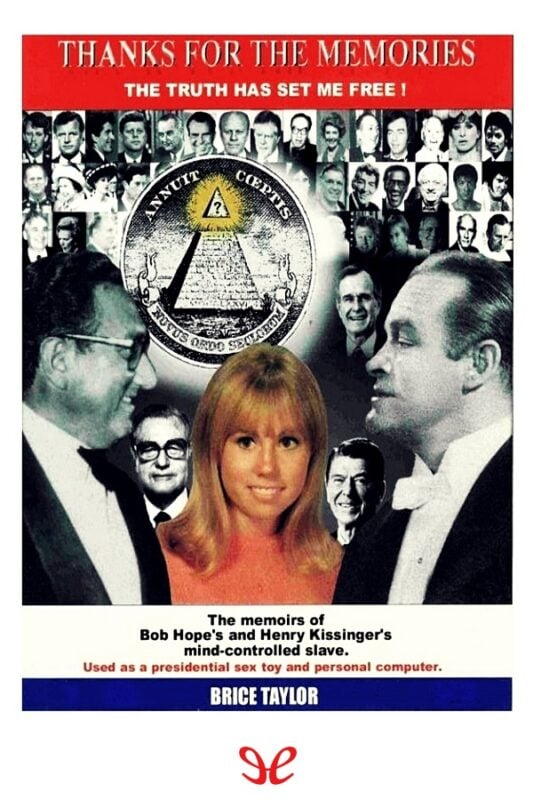
Dyer details the intersection of mind control projects—referencing MKUltra and the career of Candy Jones—with the thematic content of Hollywood productions. The analysis moves beyond the claim of literal control, focusing instead on the allegorical and psychological operations embedded in narrative form. The viewer, positioned as subject, receives triggers, cues, and keys that shape thought and behavior. The symbolic structure of film, with its use of hypnosis, repetition, and archetypal imagery, serves as a programming device, inscribing patterns of thought and action into the collective unconscious. Ritual psychodrama, from the initiation ceremonies of ancient societies to the orchestrated scandals of modern celebrity culture, divides and reforms the psyche of the masses. The narrative apparatus of Hollywood, coordinated with the machinery of intelligence and psychological warfare, manufactures consensus, behavioral norms, and new definitions of reality.
Esoteric Symbolism and the Architecture of Power
Symbols—mirrors, keys, masks, pillars, labyrinths, and gates—appear throughout the films and analyses in Dyer’s book. These elements do not function merely as aesthetic choices; they activate ritual logics and encode esoteric doctrine. The threshold, as both literal and metaphorical device, marks the passage from profane to sacred, from ignorance to partial illumination. Dyer’s treatment of Babylon, the gate of the gods, identifies Hollywood’s role as the portal through which new deities, new myths, and new rituals enter the mass imagination. The interplay of sexual magick, hermaphroditism, and the dissolution of binary oppositions features as a recurring motif, mapping contemporary culture onto the perennial logic of the mystery religions. Initiates—on screen and in the audience—undergo transformations that mirror those enacted in secret societies, from the shedding of social masks to the adoption of new, occulted identities.
The Screen as the Altar of New Myth
Dyer situates the cinema screen as the new altar. Audiences gather in communal settings to receive narrative, imagery, and doctrine from the priesthood of directors, producers, and writers. The apparatus of film production, distribution, and exhibition functions as the machinery of initiation, catechesis, and social engineering. The spectacle of film—supported by the logistics of mass distribution and technological innovation—serves as the ritual through which the establishment’s mythology gains assent and participation. The television, computer, and smartphone act as icons, transmitting doctrine and guiding daily behavior. Dyer interrogates the authority of the “media papacy,” challenging the reader to identify the mechanisms through which belief, desire, and collective action arise from the moving image.
The Strategic Logic of Scandal and Sacrifice
Hollywood’s cycles of scandal, celebrity death, and public ritual enact a drama of sacrifice and purification. Dyer tracks the causal logic behind these events: the selection, elevation, and destruction of stars reinforces the sacred order of the industry. High-profile deaths, accusations, and revelations operate as rituals of renewal and warning. The pattern of initiation, debasement, and sacrifice maintains the symbolic order, preserving the industry’s claim to mystery, power, and creative authority. The spectacle of downfall serves as both entertainment and moral instruction, scripting responses to transgression and reaffirming the boundaries of the social order.
Decoding the Semiotics of Mass Media
Semiotics, the philosophy of signs and symbols, structures Dyer’s analytical approach. He demonstrates how media artifacts encode layered meanings—surface narratives conceal deeper allegories, initiatory cues, and political messages. The reader, positioned as decoder, navigates the terrain of twilight language, symbolic inversion, and ritual structure. The book arms the audience with the tools to identify occult patterns, narrative cycles, and initiatory logics embedded in media. By tracing references to historical rituals, secret societies, and intelligence operations, Dyer empowers readers to recognize the architecture of persuasion and control.
Toward Cognitive Liberation
The book closes with an assertion of the possibility of cognitive liberation through critical inquiry, symbolic literacy, and epistemological vigilance. Dyer urges the reader to cultivate awareness of the mechanisms at work in film, media, and narrative ritual. The recognition of symbolic systems, ritual logics, and psychological operations enables individuals to reclaim agency, discern patterns, and resist manipulation. Hollywood, in Dyer’s vision, stands as both the altar of the new religion and the battleground for the mind. Those who master the grammar of ritual and the logic of myth acquire the capacity to navigate, decode, and ultimately transcend the confines of engineered belief.
Jay Dyer’s Esoteric Hollywood: Sex, Cults and Symbols assembles evidence, references, and case studies to reveal the structure of film as a ritual instrument, a weapon of psychological warfare, and an engine of esoteric initiation. The book presents a vision of media as a synthetic Babylon—a city of dreams and nightmares, temples and thresholds, screens and secrets—where power converges, ritual unfolds, and belief becomes destiny.