Society of the Spectacle
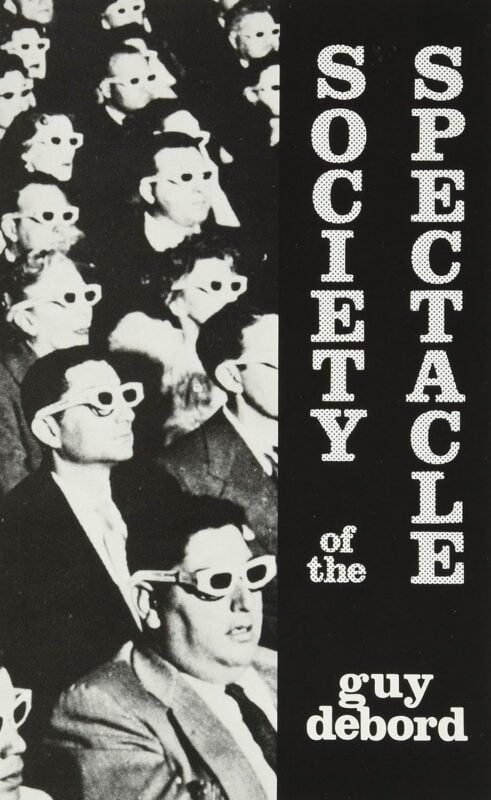
The Society of the Spectacle by Guy Debord confronts the transformation of social life under modern capitalism, asserting that the image has seized authority over direct experience. Debord describes a world where the accumulation of spectacles supplants lived reality, positioning the spectacle as a central force structuring relations, desires, and consciousness. As society advances industrially and technologically, representation supersedes presence, and mediation absorbs immediacy. What structures this process? The spectacle emerges from the logic of commodity production and proliferates as a concrete form of alienation.
Origins of the Spectacle
Debord grounds his analysis in Marxist theory, adapting the notion of commodity fetishism to the scale of mass communication and culture. Commodities transform into images, and these images, detached from practical use, begin to circulate and dominate social perception. The spectacle materializes historically alongside the rise of industrial capitalism and mass media. Economic development creates the conditions for the spectacle to organize social reality through mediated appearances. The process unfolds as societies internalize the logic of exchange, turning objects, people, and events into things to be seen and consumed. In this schema, production, exchange, and consumption entwine, each reinforcing the centrality of the spectacle.
The Spectacle as Social Relation
Spectacle describes a specific kind of social relation. Images no longer merely reflect life; they organize it. Debord asserts that the spectacle is a social relation among people, mediated by images that supplant genuine interactions. This mediation does not simply color perception; it structures how individuals relate to themselves, to others, and to the world. The spectacle speaks in the language of appearances, where what appears is good and what is good appears. Social consensus becomes a product of image circulation, and direct dialogue gives way to passive spectatorship. The authority of the image expands, enveloping consciousness in a permanent present structured by representation.
Alienation, Separation, and Control
Debord identifies alienation as the essence of the spectacle. Where direct life once offered immediacy, the spectacle interposes itself, separating people from their actions and from each other. The spectacle’s domination stems from its power to transform lived activity into contemplation. The more individuals consume images, the less they participate in shaping their lives. The spectacle, in turn, consolidates this separation, reinforcing passivity and obedience. How does power sustain this logic? The spectacle functions as a discourse of the dominant, reiterating the rules and justifications of the ruling order. It delivers a continuous monologue about itself, legitimizing prevailing economic and social arrangements.
The Logic of Commodification
The spectacle draws its force from the economy of commodities. As capitalism develops, the commodity becomes the universal category, shaping not only production and consumption but also consciousness. The process of reification—the treatment of social relations and human capacities as things—reaches its highest expression in the spectacle. Debord maps the transformation from being to having to appearing, where the prestige and reality of having depend on visibility and representation. Commodities aspire to visibility, and social status accrues to those whose images circulate most widely. The spectacle, as the logical extension of commodity fetishism, exalts exchange value, subsuming use value under the logic of circulation and display.
Mass Media and the Structure of Perception
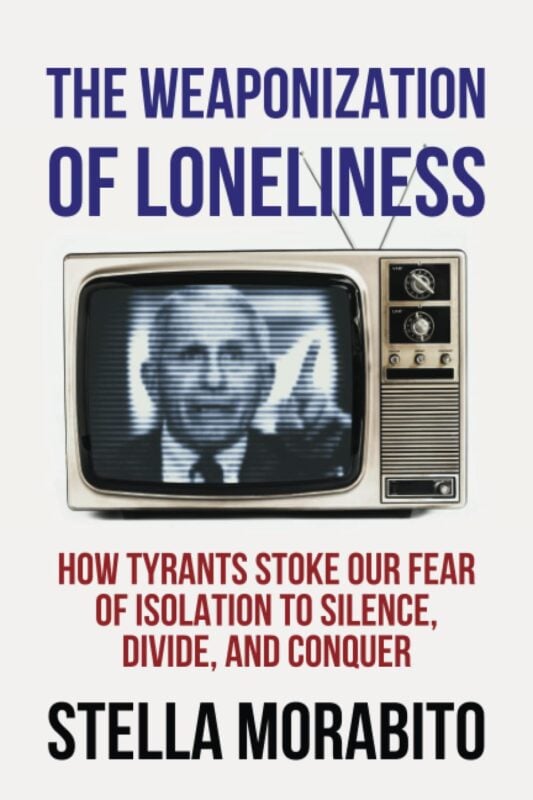
Media, advertising, entertainment, and propaganda constitute the infrastructure of the spectacle. Debord examines how television, film, and other communication technologies mediate experience, orchestrate desire, and structure perception. Media do not simply transmit information; they create the field of the visible and the sayable, defining what counts as real and what passes unnoticed. Control over media equates to control over reality’s presentation. The spectacle absorbs and repurposes dissent, novelty, and even critique, converting opposition into new images that reinforce its authority. The result is a culture saturated with simulation, where representation organizes experience and history recedes behind the proliferation of appearances.
Unity and Division in Spectacular Society
Debord observes that the spectacle both unites and divides. It creates the appearance of cohesion—shared images, values, and events—while simultaneously deepening social atomization. People share spectacles but remain isolated, connected through a one-way relationship to the center that keeps them apart. The spectacle’s unity is the unity of separation, manifesting as common consumption of images and the illusion of community. Division persists, structured along lines of class, access, and power, yet masked by the apparent inclusivity of shared representations.
The Spectacle as Global Phenomenon
Spectacular logic extends globally, integrating diverse regions and cultures into a single system of mediation and commodity circulation. Debord notes that even societies on the periphery of industrial capitalism become subject to the spectacle’s power through the importation of commodities, technologies, and media. The spectacle frames the agenda for emerging ruling classes and offers templates for opposition and rebellion. Its reach encompasses the concentrated spectacle of authoritarian regimes and the diffuse spectacle of commodity-rich societies, coordinating them as facets of the same world system.
Role of Celebrities and Stars
The spectacle elevates certain figures—celebrities, political leaders, media personalities—as representations of permitted roles and lifestyles. These stars dramatize social values and aspirations, inviting identification while remaining unattainable. Their visibility exemplifies the spectacle’s promise of fulfillment through appearance. In reality, these figures renounce individuality, functioning as embodiments of obedience to the succession of things. The image of power or consumption they represent serves as both a model and a discipline, shaping desire while prescribing limits.
Pseudo-Choice and the Multiplication of Roles
Spectacular abundance produces a multiplicity of roles and objects, generating the illusion of choice. The spectacle stages oppositions—between youth and adults, between brands, between ideologies—that foster loyalty and identification. However, these choices function within the same system, reinforcing its structure and perpetuating cycles of novelty and obsolescence. Consumption becomes the arena where people pursue uniqueness through commodities, only to encounter the poverty of standardized production and fleeting distinction. The spectacle converts even dissatisfaction into a commodity, processing rebellion and critique as part of its operation.
Expansion and Contradictions of the Spectacle
The spectacle grows through cycles of innovation and replacement. Each product, image, or leader enjoys a period of acclaim, followed by displacement and reinvention. The spectacle’s stability rests on continual change, yet this dynamism masks the underlying reproduction of separation and alienation. Even as it reconfigures itself, the spectacle sustains the core logic of commodification and passivity. It relies on the constant production of pseudo-needs and the propagation of new spectacles to maintain momentum.
Ideology and the Materialization of Illusion
Debord presents the spectacle as ideology rendered visible and material. The spectacle does not merely propagate ideas; it manifests the worldview of the dominant system in tangible forms. It anchors ideology in the practices of daily life, from consumer routines to cultural celebrations, from mass rituals to individual aspirations. The spectacle’s triumph lies in its capacity to make illusion appear as reality, merging the sacred and the mundane within a seamless fabric of appearances. This process transforms even the most basic social practices, subsuming them within the logic of mediation.
Time, History, and Spectacular Presentism
The spectacle reconfigures the experience of time, severing continuity with history and trapping society in an endless present. By monopolizing attention and defining what is visible, the spectacle disconnects individuals from collective memory and future-oriented action. What happens to historical consciousness in such a world? The spectacle creates conditions for amnesia, where change becomes perpetual novelty without direction, and the lessons of past struggles dissolve into surface impressions.
The Proletariat, Revolution, and Agency
Debord turns to the question of revolutionary transformation. He argues that the possibility of overcoming the spectacle depends on the emergence of a subject capable of reclaiming agency—historically, the proletariat. This subject must reunite theory and practice, consciousness and action, to break the domination of appearances. Revolutionary agency arises not through the accumulation of knowledge alone but through participatory transformation of social relations. The proletariat, as the class positioned to contest alienation, embodies the project of direct, lived experience and collective self-management.
Organization, Struggle, and the Recuperation of Opposition
Spectacular society absorbs opposition, turning dissent into spectacle and channeling revolutionary impulses into commodified forms. Debord analyzes the failures and contradictions within socialist, anarchist, and workers’ movements, showing how hierarchical organization, bureaucracy, and ideological rigidity can reproduce the structures of separation they seek to abolish. Authentic emancipation requires organizational forms and practices that reflect the unity of theory and action, preserving the spontaneity and creativity of direct struggle.
Culture, Consumption, and the Manufacture of Desire
Culture, under the spectacle, becomes an arena for the production and consumption of signs. Advertising, entertainment, and fashion manufacture desires, directing attention toward commodities and experiences that promise satisfaction through consumption. The spectacle redefines value, prestige, and happiness in terms of visibility and acquisition. In this context, the boundary between culture and economy dissolves, as both serve the expansion of commodity circulation and the deepening of mediated life.
Spectacular Society and the Future of Human Agency
Debord closes with a challenge: How can society break the cycle of mediation and reclaim direct experience? The spectacle will not dissipate through critique alone; it persists through the practical organization of daily life, the structure of labor, and the management of perception. Genuine change requires intervention at the level of social relations, reclaiming dialogue, participation, and collective creativity. The possibility of overcoming the spectacle hinges on the capacity to reconstruct agency, memory, and solidarity within and against the field of appearances.
Debord’s analysis asserts the urgency of revolutionary praxis, the reclamation of time, and the reassertion of social life as the field of active, conscious engagement. The spectacle thrives by organizing separation, producing alienation, and legitimating itself through endless proliferation of images. To confront the spectacle is to enter the struggle over the forms and meanings of experience, to assert the reality of lived relations, and to envision society as a project of collective becoming.