Errand into the Wilderness of Mirrors: Religion and the History of the CIA
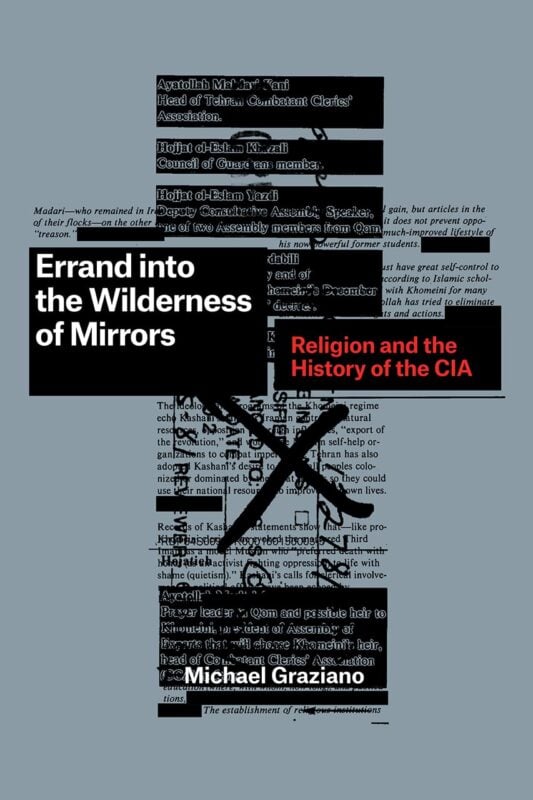
Michael Graziano’s Errand into the Wilderness of Mirrors: Religion and the History of the CIA reveals the deep entanglement between American intelligence operations and global religious landscapes. The book traces how the Office of Strategic Services (OSS) and its successor, the Central Intelligence Agency (CIA), embedded religious frameworks into espionage, counterinsurgency, and cultural diplomacy. Graziano demonstrates how American intelligence agencies transformed religious knowledge into strategic tools, shaping both foreign operations and domestic narratives of faith, identity, and national security.
Origins of the Religious Approach in Intelligence
The book begins with the emergence of the OSS during World War II. William “Wild Bill” Donovan, the OSS’s charismatic founder, infused the agency with his understanding of religion as both cultural terrain and operational resource. Donovan, shaped by his own experience as an Irish Catholic in a predominantly Protestant political landscape, recognized religion’s strategic potential. His efforts to build connections with the Vatican were more than diplomatic gestures. They were part of a broader vision to incorporate religious knowledge into the intelligence apparatus.
The OSS, Graziano argues, cultivated a model of religion that viewed it as universally present, functionally similar across cultures, and inherently aligned with American democratic ideals. Religion became a shorthand for understanding and influencing foreign societies. This approach framed world religions as manageable, decipherable, and ultimately instrumental to advancing U.S. interests.
Religious Expertise as National Security Strategy
During World War II, the OSS expanded its focus beyond Catholicism, applying its religious approach to Muslim populations in North Africa, Buddhist communities in Southeast Asia, and religious groups across occupied Europe. Intelligence officers operated under the belief that religious identity offered insights into behavior, loyalty, and political alignment.
This approach required personnel with religious expertise. The OSS recruited scholars of religion, anthropologists, linguists, and cultural analysts to translate religious knowledge into actionable intelligence. Graziano highlights operations like “Pilgrim’s Progress,” an extensive information network rooted in religious communities, as a prototype for how intelligence agencies operationalized religion.
American universities contributed to this development by producing research that reinforced the perception of world religions as structured, comparable, and strategically useful. The emerging academic field of religious studies, often rooted in colonial-era frameworks, provided the conceptual tools intelligence agencies used to navigate unfamiliar cultural landscapes.
Cold War Ideology and the Spiritual Counter-Force
Graziano positions the Cold War as the period when the religious approach crystallized into doctrine within American intelligence. National Security Council Report 68 (NSC-68), issued in 1950, framed the global struggle against communism as both material and spiritual. Intelligence leaders interpreted this language literally. They pursued a “spiritual counter-force” to communism by cultivating religious alliances, promoting religious freedom narratives, and leveraging religious identities abroad.
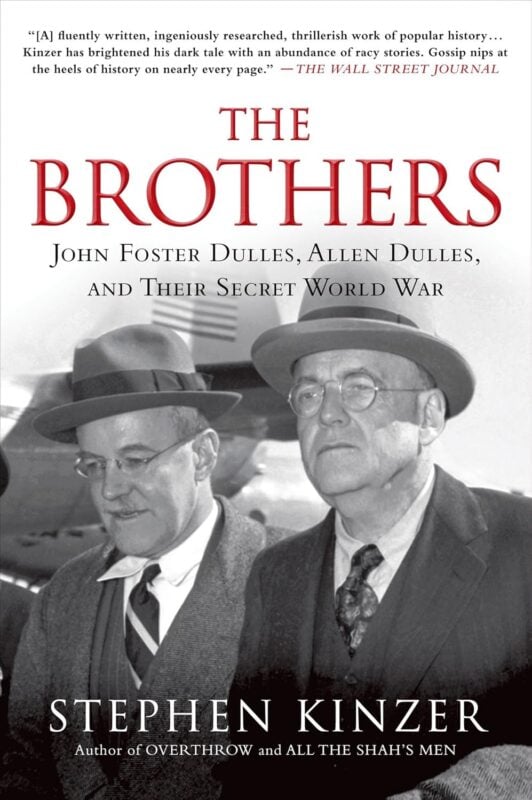
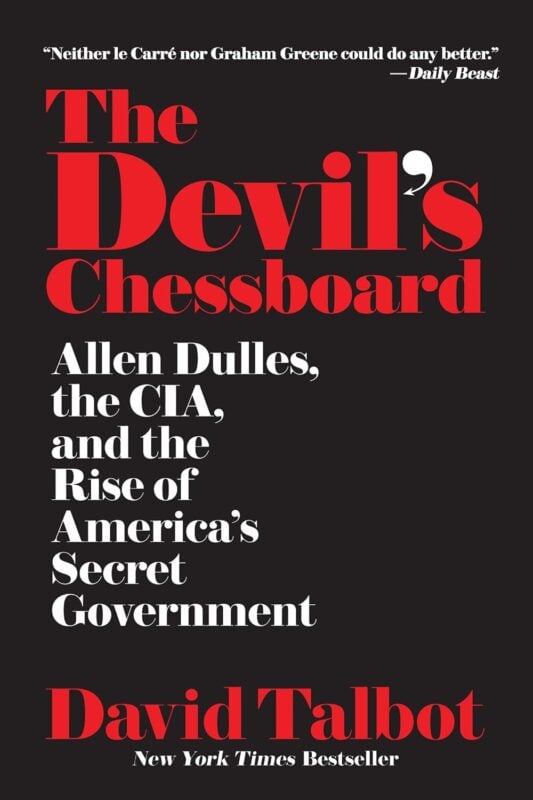
The CIA inherited and refined the OSS’s religious approach, embedding it within Cold War operations. Allen Dulles, the CIA’s first civilian director, exemplified this shift. He declared that the Agency aimed to “bring to bear the force of religion on Cold War matters.” This was not a rhetorical flourish. The Agency actively engaged religious groups, funded religiously affiliated organizations, and disseminated propaganda that framed the United States as the guardian of global religious liberty.
Catholicism as a Prototype for Global Religious Engagement
Catholicism, with its hierarchical structure, global reach, and perceived affinity with American values, served as a model for how intelligence agencies approached other religions. The Vatican’s cooperation during World War II demonstrated how religious institutions could function as intelligence conduits and ideological allies.
This prototype informed CIA operations throughout the Cold War. In Vietnam, for example, the Agency cultivated ties with Catholic communities to bolster the anti-communist regime of Ngo Dinh Diem. Graziano illustrates how American intelligence officers, guided by assumptions rooted in Catholic experiences, believed that religious identity could reliably predict political behavior. They presumed that Catholic loyalties, once secured, could be replicated among Buddhists, Muslims, and other groups worldwide.
Operationalizing Religion: Counterinsurgency and Propaganda
Errand into the Wilderness of Mirrors details how the religious approach shaped counterinsurgency strategies and psychological operations. The career of CIA operative Edward Lansdale exemplifies this fusion of religious and intelligence work. Lansdale’s efforts in the Philippines and Vietnam integrated religious appeals into counterinsurgency campaigns, blending faith-based messaging with military tactics to undermine communist movements.
The CIA’s involvement extended to cultural productions, educational programs, and public diplomacy initiatives that framed religious freedom as a core American value. Religious expertise became a critical component of understanding foreign societies, crafting propaganda, and mobilizing support for U.S. policies.
Analytical Blind Spots and Strategic Miscalculations
Graziano underscores that the religious approach produced significant analytical blind spots. Intelligence officers, confident in their models of religion, often underestimated the complexity and diversity of religious movements. This overconfidence contributed to strategic miscalculations.
The 1979 Iranian Revolution exposes the limitations of the religious approach. The CIA’s assessments failed to anticipate the revolution’s religious character and underestimated the political power of Islamic actors. Analysts, operating within frameworks shaped by Catholic and Western models of religion, struggled to grasp the revolutionary potential embedded in Iranian religious dynamics.
This failure, Graziano argues, forced a reassessment within the intelligence community. The Agency recognized the need for more nuanced religious analysis, yet remained tethered to the institutional legacy of simplified religious categories and strategic instrumentalization.
Domestic Implications and the Feedback Loop of Religious Knowledge
The book explores how intelligence work abroad influenced religious discourse at home. As the CIA operationalized religion as a national security tool, it contributed to reshaping American understandings of religious pluralism, world religions, and the role of faith in public life.
Catholicism, once marginalized, became central to narratives of American religious freedom and anti-communist solidarity. The religious approach encouraged a vision of American exceptionalism rooted in the idea that the United States possessed a unique relationship with religion, both domestically and globally.
This feedback loop extended to academia, media, and public policy. The study of world religions, filtered through intelligence priorities, reinforced the perception that religions were coherent, comparable, and aligned with democratic ideals. Intelligence operations shaped how Americans understood religion abroad, while domestic religious narratives informed how the CIA engaged religious groups overseas.
Legacies and Contemporary Relevance
Errand into the Wilderness of Mirrors concludes by situating the religious approach within contemporary debates about religion and national security. The strategies developed during the Cold War continue to influence how intelligence agencies engage with religious actors, analyze religious movements, and integrate religious expertise into policy.
Graziano shows that the CIA’s historical entanglement with religion is not a relic of the past. Counterterrorism efforts, engagements with Muslim communities, and strategic partnerships with religious organizations reflect enduring patterns established during the mid-twentieth century.
The book raises critical questions for policymakers, scholars, and intelligence professionals. How can agencies avoid the pitfalls of overgeneralized religious models? What frameworks can produce more accurate, context-sensitive analyses of religious movements? How does the instrumentalization of religion intersect with human rights, religious freedom, and international stability?
Reframing Religion in National Security Strategy
Graziano’s analysis points to the need for more rigorous, interdisciplinary approaches to religion within the national security sphere. Intelligence agencies, scholars, and policymakers must grapple with the legacies of the religious approach, recognizing its successes, its failures, and its enduring influence on global affairs.
Understanding religion as complex, contested, and embedded within specific historical and cultural contexts is vital for effective policy and intelligence work. Simplified models and strategic instrumentalization often produce unintended consequences and strategic miscalculations.
The book advocates for a more sophisticated engagement with religion in global affairs. It challenges intelligence professionals to move beyond operational convenience and toward analytical depth. It calls on scholars to interrogate how their work informs state power and strategic agendas.
Errand into the Wilderness of Mirrors reveals how deeply religion, intelligence, and American power intersect. It offers a compelling history that illuminates the stakes of understanding religion as both a subject of analysis and an instrument of national strategy. Graziano’s work charts a path toward more reflective, responsible, and effective engagement with religion in global security.