The Devil’s Pleasure Palace: The Cult of Critical Theory and the Subversion of the West
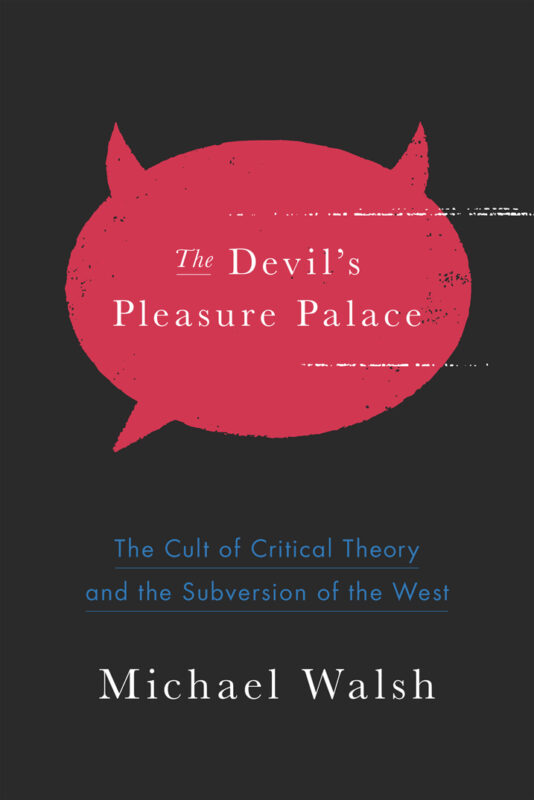
The Devil’s Pleasure Palace by Michael Walsh presents a sweeping argument: Critical Theory, forged by the intellectual architects of the Frankfurt School, has reshaped the moral and cultural architecture of the West. In the aftermath of World War II, America emerged as the military leader of the free world, yet harbored a deep sense of cultural self-doubt. New York and Washington elites, drawn to the cachet of European intellectualism, welcomed both war refugees and their philosophical legacies. The arrival of the Frankfurt School initiated an epochal shift. Their ideas, formulated under the name Critical Theory, questioned and eventually destabilized the foundational beliefs of the West.
The Frankfurt School and Critical Theory
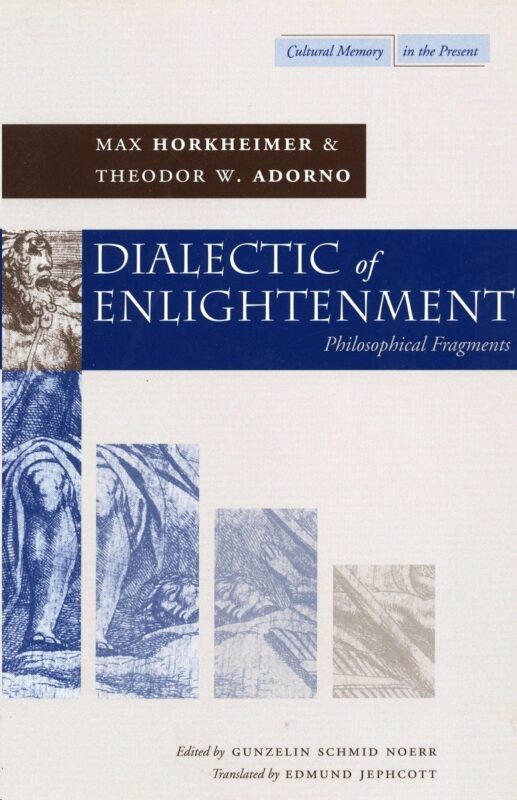
The Frankfurt School, a group of predominantly German Marxist theorists and philosophers, developed Critical Theory during the early twentieth century. The School’s leading lights, including Theodor Adorno, Herbert Marcuse, Max Horkheimer, and Erich Fromm, critiqued capitalist society through the lens of Marx and Freud, seeking to reveal systems of domination embedded in culture and language. Critical Theory expanded its influence beyond economics and politics, advancing into literature, art, education, and personal identity.
Walsh contends that Critical Theory began a campaign of cultural subversion, eroding confidence in American institutions and traditions. When Critical Theory entered the academic mainstream, it gave intellectuals and students permission to question every value. Walsh asserts that when a society suspends belief in its own goodness and legitimacy, it surrenders the ground on which moral and civilizational order stands.
The Erosion of the Western Narrative
Foundational myths—expressed through story, literature, religion, and art—hold a society together. Walsh views the cultural revolution launched by the Frankfurt School as an assault on narrative coherence. He frames Western civilization as a grand story: its ur-Narrative extends from the myths of ancient Greece and Israel to the heroism of Christ and the literary monuments of Milton, Goethe, and Wagner. This narrative shapes the meaning of heroism, virtue, sacrifice, and redemption.
The author asserts that the Western story does not simply entertain. It encodes the structure of good and evil, defining the limits of action and the possibility of meaning. When Critical Theory dismissed these myths as instruments of oppression, it also broke the narrative thread that connects individuals to their cultural inheritance. Walsh claims that this rupture produced generations of Americans and Europeans adrift from their own story, susceptible to despair, nihilism, and ideological manipulation.
Cultural Self-Doubt and the Rise of Nihilism
America’s postwar embrace of Critical Theory, Walsh contends, led to a profound cultural uncertainty. The confidence that animated the nation’s rise—from the Revolution to its triumph in WWII—yielded to a fashionable self-criticism. The new elites, wary of the optimism and pragmatism of the American character, favored European modes of doubt, irony, and self-denial. Walsh observes that self-critique, untethered from context or gratitude, saps the will to defend the values that made the civilization successful.
Critical Theory treated America as a vast capitalist conspiracy, missing the organic strength of its popular culture. Walsh argues that these theorists misjudged American openness, interpreting it as evidence of collective guilt rather than a feature of democratic life. When the Frankfurt School failed to comprehend the creative energy of the United States, it defaulted to resentment and suspicion, projecting European ideological struggles onto an American society that was foreign to them.
Myth, Drama, and the Battle for Meaning
Walsh situates the conflict over Critical Theory within a broader, almost mythic, struggle between good and evil. He draws upon Milton’s Paradise Lost, Goethe’s Faust, and the archetypes of Western literature to establish the stakes of the battle. The Devil’s Pleasure Palace serves as a metaphor for alluring but destructive ideas that offer pleasure, liberation, or utopia at the cost of meaning, virtue, and truth. The Devil in literature, Walsh writes, operates by seduction, subversion, and the inversion of language.
He insists that drama and conflict define both history and art. Without opposition, no growth is possible; without struggle, no story. Western civilization rises through the constant renewal of its founding narratives. Walsh claims that the “ur-Kampf,” the primal conflict, sits at the core of the Western tradition. Eve’s temptation by the serpent, the hero’s journey, the quest for the grail—all serve as allegories for the necessity of conflict and the peril of surrendering to comfort or nihilism.
The Loss of Language and the Manipulation of Meaning
Critical Theory, as Walsh describes it, wages war on language as well as on values. Its practitioners redefine central concepts—democracy, culture, justice, even truth—so that words become tools of persuasion rather than vessels of shared meaning. The result is a public discourse marked by confusion and mistrust. Opponents of Critical Theory often find themselves unable to participate in debate, since the very terms of the discussion have shifted beneath their feet.
This manipulation of language, Walsh argues, forms a core strategy in the drive to subvert Western civilization. When citizens no longer trust that words refer to stable realities, the culture’s shared understanding fragments. Public debate devolves into power struggles, suspicion, and ideological tribalism.
Art and the Hero’s Journey
Walsh upholds art, music, and storytelling as redemptive forces. He traces a direct lineage from the myths of antiquity to the operatic dramas of the nineteenth century. Schubert’s Des Teufels Lustschloss, Wagner’s Parsifal, and Mozart’s Don Giovanni dramatize the confrontation with temptation, evil, and redemption. In these works, as in Western narrative, the hero must enter the pleasure palace, face the demonic, and emerge transformed. The woman as redeemer—the “Eternal Feminine”—appears as a principle of grace and salvation, essential for the hero’s journey toward transcendence.
Walsh places the quest for the Holy Grail at the center of the Western imagination. The hero’s journey, as Joseph Campbell defines it, represents the movement from ordinary life into the region of the supernatural, through trial and back to renewed life. This mythic structure shapes the West’s understanding of courage, sacrifice, and the search for truth. Art, Walsh claims, functions not as escape but as revelation: it discloses the deep structure of human life, offering a pathway toward meaning.
Conflict, Heroism, and the Crisis of the West
The struggle between the forces Walsh names as “the Unholy Left” and the conservators of tradition forms the central drama of contemporary history. The Unholy Left, comprised of the Frankfurt School and their ideological heirs, champions causes under banners such as social justice, environmentalism, and anti-racism, but advances a project of fundamental transformation. This movement, Walsh argues, seeks the radical reordering of society and culture, advancing its agenda through the strategic occupation of institutions—education, media, bureaucracy, and the arts.
Those who resist this movement, according to Walsh, perform the role of conservators: they do not merely defend tradition for its own sake, but seek to preserve the accumulated wisdom, heroism, and beauty of Western civilization. The stakes, he asserts, are existential. The outcome will determine whether the West retains its capacity for renewal, or relinquishes its moral and cultural inheritance.
Walsh posits that the West stands at a crossroads. The outcome of this cultural battle will define the future of civilization. Will the West organize, resist, and reclaim its narrative, or open the gates to the ideological invaders and accept decline? The decision requires clarity, courage, and memory. The answer depends on whether citizens understand the value of their heritage and possess the will to defend it.
Religion, Free Will, and the Devil’s Temptation
The book moves through layers of theological and literary analysis. Walsh draws from the Book of Genesis, Milton’s epic, and Goethe’s reinterpretation to frame the drama of creation, rebellion, and redemption. He describes Satan as the archetype of seduction and destruction—a figure who, lacking the power to conquer, relies on seduction and manipulation. God, as depicted in these works, grants humanity the gift of free will, setting the stage for the drama of history.
The Devil’s Pleasure Palace, as Walsh reads it, stands as a metaphor for utopian projects that promise liberation and pleasure but deliver illusion and devastation. The urge to transcend human limits, to become “as gods, knowing good and evil,” represents the perennial temptation. The critical question emerges: does the pursuit of perfect equality, comfort, or security produce genuine flourishing, or invite the collapse of culture into meaninglessness?
Language, Culture, and the Dangers of Abstraction
Language shapes thought, culture, and action. Walsh draws attention to the ways in which language reflects and constructs reality. He warns against the reduction of language to abstract systems manipulated for ideological ends. Translation across languages, he notes, inevitably loses nuance, imagery, and meaning. When ideologies treat language as a tool of power, they sever words from the lived experience and memory that sustain a culture.
The campaign to impose a single ideological language under the banners of equality or diversity, he asserts, denies the distinctive value of different cultures and stories. A world homogenized by abstraction loses its capacity for beauty, creativity, and meaning.
Toward a Cultural Renaissance
Walsh closes with a call for renewal. The West, he argues, requires a renaissance rooted in its own foundational stories, virtues, and artistic achievements. Heroism, sacrifice, faith, and narrative coherence serve as the pillars of any civilization that aspires to endure. The rediscovery of myth and meaning demands effort, conflict, and the acceptance of risk. The West cannot recover its vitality through comfort or consensus, but only by re-engaging the struggle that defined its emergence.
The Devil’s Pleasure Palace, in Walsh’s account, stands as a warning and a summons. The danger lies not only in external threats but in the internal surrender of memory and purpose. Cultural self-doubt, ideological abstraction, and the manipulation of language threaten to dissolve the structure of meaning. The path to renewal begins with the recovery of narrative, the embrace of art and heroism, and the willingness to contest the forces that seek to seduce the West into oblivion.
In the current era, where ideological battles rage over the meaning of justice, freedom, and civilization itself, Walsh’s analysis insists on the necessity of returning to foundational stories. These stories, preserved in myth, literature, and art, provide the West with its structure, direction, and hope for renewal. The fate of the West, he concludes, hangs on the outcome of this narrative struggle, and the courage to reclaim the Devil’s pleasure palace for the forces of creation, order, and truth.


About the Book