The Federal Reserve Cartel
The Federal Reserve Cartel by Dean Henderson investigates the network of elite banking families that shape the structure of global finance. By tracing corporate lineage, dynastic alliances, and geopolitical consequences, Henderson unveils a narrative of enduring financial dominance centered on institutions like the Federal Reserve, the Bank of International Settlements, and key commercial banks linked to powerful clans such as the Rothschilds, Rockefellers, Warburgs, and Morgans.
The Core of Global Monetary Control
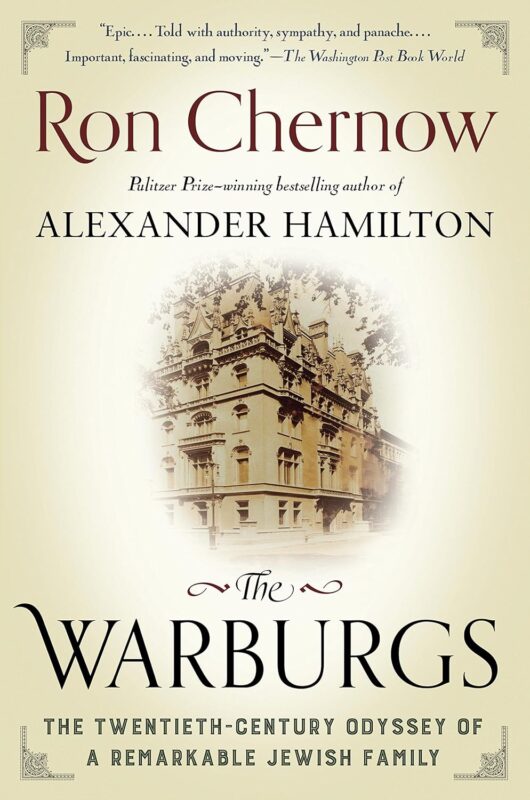
The book begins by naming the "Eight Families" who dominate the Federal Reserve and most central banks: Rothschilds, Rockefellers, Warburgs, Kuhn Loebs, Goldman Sachs, Lehmans, Lazards, and Israel Moses Seifs. Their control extends across every sector of the financial system. The author draws direct lines between these families and the ownership of not only central banks but also energy giants, weapons manufacturers, and media conglomerates.
What sustains their influence is the interlocking ownership of institutions that report to no electorate. According to Henderson, the Federal Reserve’s shareholder information is protected under national security pretenses. This secrecy conceals a structure in which private banks leverage public monetary authority to consolidate wealth and exert control over policy.
Wall Street’s Ancestry of Power
Through meticulous historical tracing, Henderson connects the origins of JP Morgan, Citibank, and Goldman Sachs to European banking houses with aristocratic roots. He recounts how early trusts like Bankers Trust and US Trust became vehicles for institutionalizing dynastic power. These institutions, first formed under the pretense of stabilizing the economy, became tools for amplifying capital and enforcing debt dependency across sovereign nations.
The House of Morgan emerges as a linchpin in American and global finance. From railroad monopolies to arms deals, Morgan’s influence shaped military, industrial, and diplomatic decisions from the 19th century through the postwar period. Their close ties to the Rothschilds positioned them to dominate American finance while preserving a veneer of independence.
Formation of the Fed and International Leverage
The 1913 establishment of the Federal Reserve System marked a pivotal moment. Far from being a public solution to financial instability, it institutionalized the dominance of private capital over monetary supply. Benjamin Strong, a Bankers Trust operative, became the first New York Fed Governor, symbolizing the merger of oligarchic finance and central authority.
The Federal Reserve’s power allowed the Eight Families to influence international institutions. Henderson details the connections to the Bank of International Settlements (BIS), the International Monetary Fund (IMF), and the World Bank, all constructed to entrench creditor control over debtor nations. BIS, in particular, serves as a discreet node for coordinating monetary policy, intelligence operations, and corporate asset redistribution under the pretense of economic stability.
Wars, Loans, and Imperial Management
Wars amplify financial consolidation. Henderson illustrates how the banking elite orchestrated and profited from global conflict. World War I was financed largely by Morgan, with profits distributed to industrial firms it controlled. World War II involved coordinated funding of both Axis and Allied powers through intermediaries like the BIS and Schroder Bank. Profits from destruction fed reconstruction contracts, ensuring perpetual debt and client-state dependency.
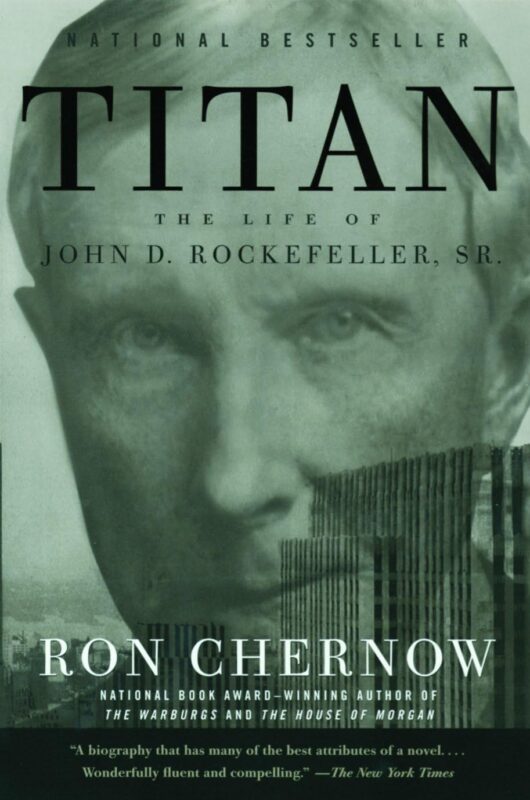
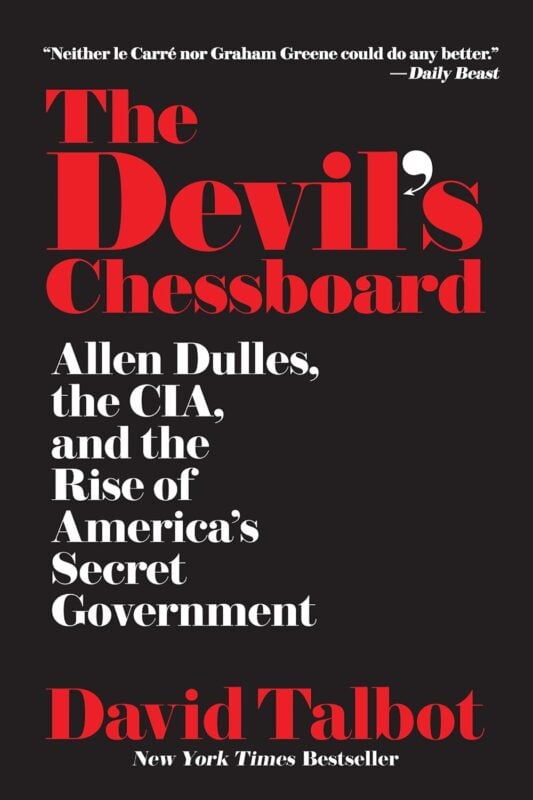
The Rockefeller family, through Chase Manhattan and their energy holdings, leveraged oil supply chains and foreign policy. They helped shape the CIA and military strategy to defend oil access and enforce monetary discipline. From Iran to Latin America, coups and wars aligned with Rockefeller financial interests, protecting their stake in petro-dollar supremacy.
Global Institutions as Cartel Apparatuses
Henderson describes the IMF and World Bank as mechanisms for extracting wealth from developing nations. Structural adjustment programs and forced privatizations dismantle state sovereignty and funnel assets to multinational firms controlled by the Eight Families. These organizations impose conditionality that benefits investors while burdening populations with austerity.
Through Euro-Clear and other postwar financial instruments, the families streamlined global securities trading. These innovations did not democratize finance but concentrated control. Brussels and Geneva became command centers, and offshore tax havens like Curacao and Bermuda enabled capital flight and drug money laundering—often under protection from Western intelligence.
Dynastic Convergence and Intermarriage
Marriage solidified alliances. The Warburgs, Kuhn Loebs, Schiffs, and Rothschilds built a super-family network. Intermarriage preserved wealth, eliminated competition, and ensured ideological alignment. Henderson shows how the Goldman Sachs and Lehman families married into this network, blurring distinctions between competing firms. The Citigroup-Stillman-Rockefeller alliance illustrates how modern megabanks evolved from tight-knit family arrangements.
These families co-founded philanthropic foundations that influence policy, education, science, and media. The Rockefeller Foundation, Ford Foundation, and Carnegie Endowment present a benevolent front while shaping elite consensus. They fund think tanks like the Council on Foreign Relations and universities that generate policy, publish scholarship, and cultivate compliant technocrats.
Freemasonry, Intelligence, and Subversion
Part II introduces the role of Freemasonry and secret societies in sustaining elite power. Freemasonry provided a cultural and organizational framework for covert influence. Founding Fathers like George Washington and Alexander Hamilton operated within this Masonic structure, which Henderson argues acted as a vehicle for British aristocratic influence.
The Rothschilds' funding of Hamilton’s central bank and their ties to early American finance show how deeply this system embedded itself from the start. Masonic lodges served as early intelligence nodes and social control mechanisms. The tradition continued through the Roundtable, the Rhodes Scholarships, and later the Trilateral Commission and Bilderberg Group.
Assassinations and Opposition
Populist leaders who opposed centralized banking faced political sabotage or death. Andrew Jackson dismantled the Second Bank of the United States and survived an assassination attempt. Abraham Lincoln issued Greenbacks to escape war-time debt dependence and was murdered after vowing to end the banking cartel’s influence. John F. Kennedy issued interest-free notes to bypass the Fed. Months later, he was shot.
These events, Henderson argues, reflect a pattern of suppression. Leaders who threatened debt-based monetary policy or resisted globalist financial control became targets. The evidence includes circumstantial connections between suspects and intelligence agencies linked to the Eight Families, as well as financial policies that prefigured their deaths.
Bilderbergers, Trilateralists, and a Managed World Order
The later chapters explore the architecture of global governance. Institutions like the World Economic Forum, International Monetary Conference, and RIIA execute soft power through strategic consensus. The Trilateral Commission—founded by David Rockefeller and Zbigniew Brzezinski—coordinates trilateral policy across North America, Europe, and Asia. Key members include central bankers, corporate executives, and government officials.
These organizations harmonize policy in trade, security, and surveillance. Henderson identifies the consolidation of authority in private hands and the transformation of democracy into technocracy. Regulatory institutions no longer act as checks but as enforcers of cartel consensus.
Cultural Instruments and Ideological Domination
Mass media, education, and popular culture become conduits for consensus building. Elite families own publishing houses, film studios, and broadcast networks. They fund educational curriculums and shape social narratives. These tools produce obedience, manufacture consent, and delegitimize dissent.
Think tanks controlled by oligarchic foundations produce policy papers and economic models that guide legislation. News outlets reiterate their conclusions. Academic departments internalize their logic. The result is an ecosystem where opposition appears irrational and systemic reform becomes unthinkable.
The Ancestry of Control and the Myth of Progress
From the Bank of Amsterdam in 1609 to the Federal Reserve in 1913 and BIS in 1930, the structure persists. Henderson shows that behind each iteration lies a familiar network. These families do not simply accumulate capital; they manufacture the architecture through which capital governs.
The goal is not merely profit but permanence—control over currency, law, culture, and war. Their institutions offer no paths for exit or contest. They enforce privatization, standardize systems, and eliminate local autonomy. What appears as modernization reveals itself as centralization.
A Unified Structure of Global Finance
The convergence of oil, banking, arms, and media under the same familial command defines the structure Henderson exposes. Each crisis serves as a pretext for greater control. Each war recycles debt into profit. Each election substitutes personalities while preserving institutional design. The Federal Reserve Cartel documents this enduring system and presents its genealogy, agents, and instruments.
By anchoring analysis in documented interlocks, historical causality, and institutional evolution, Henderson constructs a case that positions the Eight Families as architects of a closed, debt-driven order. Their strength resides in their invisibility and the naturalization of their dominance. The structure does not adapt to serve democracy—it compels democracy to adapt to it.
Here is a list of the major banks and the elite families associated with their ownership or control as presented in The Federal Reserve Cartel by Dean Henderson:
🏦 Federal Reserve Bank
- Rothschilds (London, Paris)
- Rockefellers (New York)
- Warburgs (Hamburg, Amsterdam)
- Goldman Sachs (New York)
- Lehmans (New York)
- Kuhn Loebs (New York)
- Lazards (Paris)
- Israel Moses Seifs (Rome)
- Stillman family (Citigroup insiders, linked to Rockefellers)
- Schiffs (Kuhn Loeb insiders)
🏦 Bank of America
- Originally linked to Morgans, now includes elements of:
- US Trust Corporation (previously directed by Walter Rothschild)
🏦 JPMorgan Chase
- Morgan family
- Rockefellers
- Stillman family (through Manufacturers Hanover Trust)
- Kuhn Loeb family (via Chase Manhattan merger)
🏦 Citigroup
- Stillman family (merged into Rockefeller line)
- Schiffs (via Kuhn Loeb)
- Rockefellers
🏦 Goldman Sachs
- Goldman and Sachs families (intermarried with other banking dynasties)
🏦 Lehman Brothers
- Lehman family
- Allied with Rothschilds, Warburgs
🏦 Morgan Stanley
- Morgan family
- Tied historically to the Rothschilds
🏦 Deutsche Bank
- Controlled partly by Warburg family
🏦 Lazard Frères
- Lazard family
- David-Weill family (France)
🏦 Israel Moses Seif Bank (Italy)
- Israel Moses Seif family
🏦 Rothschild Banks
- N.M. Rothschild & Sons (London)
- Banque Rothschild (Paris)
- Rothschild Bank AG (Zurich)
- Rothschild Italia (Milan)
- Banque Privée SA (Lugano)
- Rothschilds Continuation Holdings AG (Swiss holding)
🏦 UBS Warburg
- Controlled via Warburg family (linked to Dillon Read)
🏦 Salomon Brothers
- Formerly associated with William Simon (Reagan’s Treasury Secretary)
🏦 Bank of England
- Historical control by Rothschilds
🏦 BIS (Bank for International Settlements)
- Founding presidency held by Gates McGarrah (Rockefeller associate)
🏦 Bank of Canada, Bank of France, Bundesbank, Swiss National Bank, Nederlandsche Bank, Bank of Italy
- All described as coordinated under BIS influence, thus indirectly tied to the Eight Families network