Sleight of Mouth Volume II: How Words Change Worlds
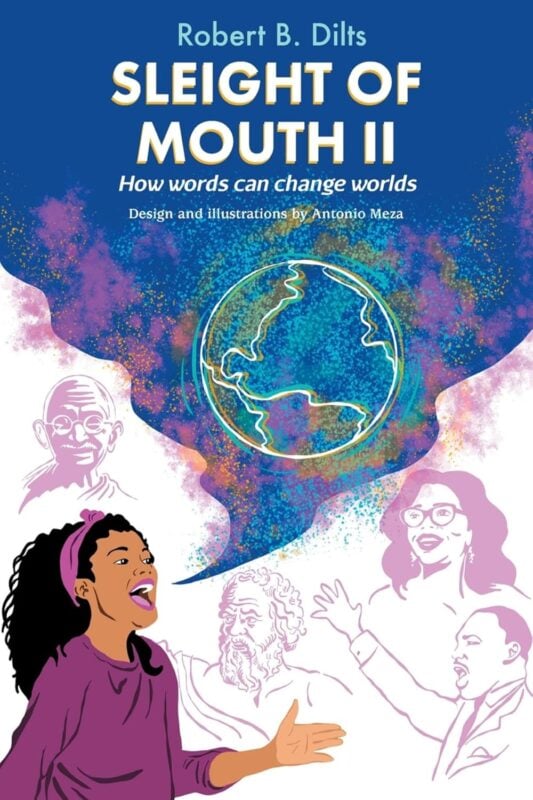
Sleight of Mouth Volume II: How Words Can Change Worlds by Robert Dilts and Antonio Meza deepens the study of language’s role in shaping beliefs, decisions, and cultural narratives. This volume extends foundational Sleight of Mouth principles, demonstrating how specific language patterns reframe perceptions, shift assumptions, and catalyze transformation.
The Map Is Not the Territory
Language structures experience. Words organize raw sensory data into coherent narratives. These narratives become beliefs, which in turn guide action. Dilts grounds this insight in the epistemological frameworks of David Hume and Francis Bacon, whose works revealed the assumptions behind causal reasoning and perception. Hume’s premise that cause and effect are inferred, not observed, forms a core foundation for understanding belief as interpretation. Bacon’s four idols—tribe, den, marketplace, and theater—categorize common perceptual distortions. These illusions frame the interpretive matrix within which Sleight of Mouth patterns operate.
Beliefs Generate Behavior
Beliefs occupy a pivotal level in Dilts’ hierarchy of change. They connect identity and values to capabilities and behaviors. This pyramid includes six layers: environment, behavior, capabilities, beliefs, identity, and purpose. Each level influences those beneath it. A change at the level of belief sends new signals down the hierarchy, redirecting strategies, altering actions, and transforming how individuals relate to their world. Beliefs don’t just color perception—they direct physiological responses. Neurologically, belief activates the limbic system, anchoring abstract concepts in emotion, memory, and autonomic regulation. Conviction manifests through physical indicators: a racing heart, clenched jaw, trembling fingers. Persuasion begins not with logic, but with embodied resonance.
Words Create Worlds
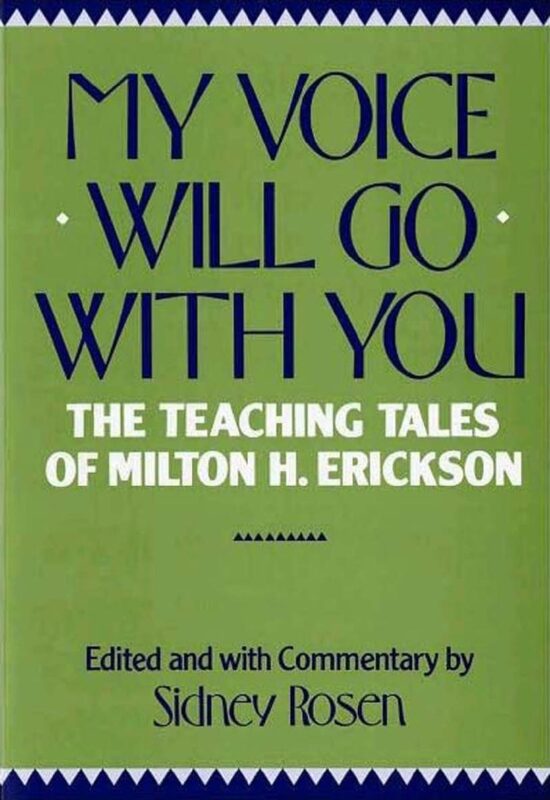
Sleight of Mouth patterns manipulate linguistic structure to shift belief. These patterns redirect attention, challenge presuppositions, reveal hidden frames, and introduce alternative meanings. They function like sleight-of-hand illusions. Just as a magician uses redirection to conceal a trick, a skilled communicator uses reframing to dissolve resistance. Each pattern introduces a specific mindset and is paired with a question that activates that frame. The structure includes examples from historical figures, metaphoric jokes, and therapeutic dialogues modeled on Milton Erickson.
Language Operates Through Frames
Language creates cognitive frames. A frame defines context, determines relevance, and filters meaning. Problem frames anchor attention on limitations; outcome frames mobilize toward possibility. Reframing substitutes one structure for another, not through argument but through redirection. The act of languaging—converting thought to expression—constructs reality at every level. “Energy follows attention” becomes both a principle and a method. Every word guides focus. The pattern doesn’t debate belief; it sidesteps it by shifting the assumptions beneath it.
Patterns Encode Persuasion
The book defines fourteen core Sleight of Mouth patterns. Each exploits a different linguistic mechanism. Intent reframes behavior by revealing positive purpose. Redefine introduces a new interpretation of terms. Consequence explores the future impact of a belief. Another Outcome suggests alternative goals. Chunk Down focuses on specifics. Chunk Up connects to broader values. Analogy reframes by substitution. Counter Example introduces exceptions. Hierarchy of Criteria reorders priorities. Apply to Self tests consistency. Change Frame Size alters scope. Model of the World personalizes perspective. Reality Strategy questions verification. Meta Frame reveals interpretive context.
Each pattern can operate independently or in combination. When deployed in sequence, these patterns transform entire belief systems. They enable clients, audiences, or interlocutors to revisit assumptions they once considered immutable. The shift doesn’t dismantle identity—it reorients it.
Mastering Resonance and Rapport
Persuasion succeeds when resonance occurs. Resonance arises when language harmonizes with values, identity, and intention. The book distinguishes CRASH states—confused, reactive, ashamed, separate, and hurt—from COACH states—centered, open, attending, connected, and holding. The transition from CRASH to COACH is foundational to transformative communication. It involves rapport, pacing, leading, and adopting second position. These methods cultivate alignment before attempting reframing.
The persuasive speaker begins by matching the listener’s language, rhythm, and concerns. This pacing builds trust. Then the speaker introduces shifts, leading toward new interpretations. Change arises not through imposition, but through attunement. Words become tuning forks.
Modeling Genius in Action
Dilts illustrates Sleight of Mouth patterns through the speeches and strategies of historical figures. Socrates used probing questions to uncover assumptions. Lincoln exposed contradictions in pro-slavery theology. Gandhi reframed resistance as soul force. Shakespeare’s Mark Antony and Henry V leveraged rhetorical structure to invert perception and ignite commitment. Eisenhower’s D-Day message used pre-framing to ground courage. Oprah Winfrey transformed personal hardship into public empowerment by anchoring her message in purpose.
These examples don’t merely demonstrate the patterns—they reveal how they function across diverse domains: politics, therapy, art, leadership. The method transcends content. Whether addressing injustice, grief, or motivation, the same structure reframes reality.
Belief as Strategy
Beliefs follow patterns. George Polya’s “Plausible Inference” offers a structure for understanding how people form, test, and revise beliefs. This includes inferring consequences, verifying contingencies, and applying analogy. Dilts presents belief as a cognitive strategy—one that can be deconstructed, modeled, and upgraded. Plausibility operates like a lever. Introduce enough doubt into a limiting belief, and it collapses under its own weight.
The book includes worksheets and tools for practicing Polya’s patterns. These exercises deepen precision, enabling practitioners to apply reframing with surgical clarity. Belief isn’t static—it’s a dynamic configuration of assumptions, evidence, and emotional anchoring.
Disarming Thought Viruses
Thought viruses spread through language. They embed in metaphors, slogans, and collective narratives. These viruses replicate by hijacking attention and emotion. Sleight of Mouth identifies red flags—phrases and frames that signal internalized limitations. These include absolute language, universal generalizations, and identity-based judgments.
Transforming thought viruses involves more than substitution. It requires creating new attractors. When a person releases an old belief, they need something equally meaningful to replace it. The reframed belief must offer identity, coherence, and purpose. Change is a process of reidentification.
From Belief to Purpose
The final chapters integrate Sleight of Mouth with “Strategies of Genius.” These strategies involve aligning belief with purpose, leveraging narrative structure, and sequencing frames to build momentum. Purpose serves as an organizing principle. When beliefs resonate with purpose, they become generative. They don’t just explain the world—they recreate it.
The book identifies purpose as the apex of transformation. Language at this level invokes archetypes, evokes vision, and forges connection. It guides identity not toward self-preservation, but toward contribution. Communication becomes a vector of emergence. Through language, we seed the world with new possibility.
Constructing a World Worth Belonging To
Dilts concludes by affirming the creative power of language. Words are tools, spells, maps, and bridges. When shaped with intention, they dismantle inherited frames and erect new structures. Sleight of Mouth is not merely a technique—it is a discipline of conscious influence. It trains the communicator to detect illusions, question assumptions, and wield meaning as a force of renewal.
The future demands communicators who can shift perception with precision. In the face of polarization, distraction, and ideological rigidity, the ability to reframe becomes essential. This book doesn’t offer a path—it provides the tools to build one. Through mastery of language, we forge belief. Through belief, we define identity. Through identity, we serve purpose. And through purpose, we create the world we inhabit.