Agent Sniper: The Cold War Superagent and the Ruthless Head of the CIA
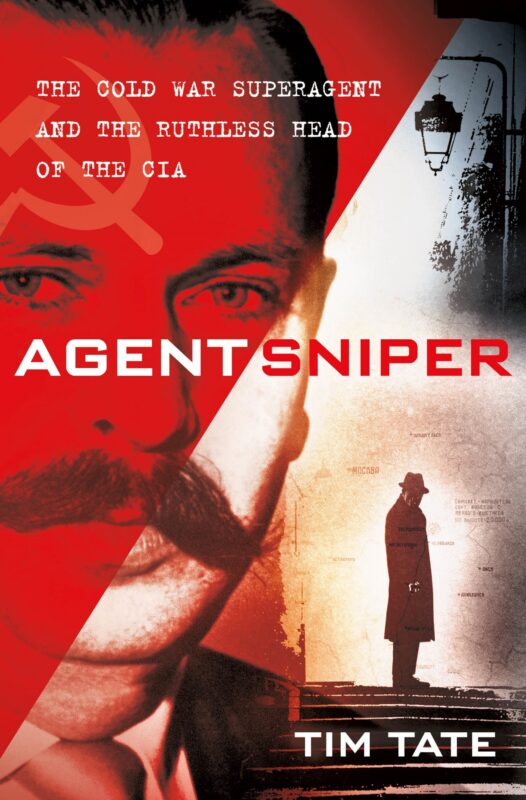
Agent Sniper by Tim Tate uncovers the labyrinthine world of Cold War espionage through the story of Michał Goleniewski, a decorated Polish intelligence officer who risked everything to become the West’s most consequential spy. His code name, Sniper, masked a figure whose choices would ripple through the intelligence communities of Washington, London, and Moscow, destabilizing careers, exposing deep-cover agents, and forcing agencies to reevaluate the very ground on which their security rested.
Prelude: A Defector at the Border
January 1961. East Berlin crackles with tension. Goleniewski, powerfully built and sharply mustached, slips through the winter twilight toward the border with his lover, Irmgard Kampf. Surveillance teams track his every move, but his aim remains fixed—defection to the West. Within hours, he enters the American consulate in West Berlin and reveals his identity as a lieutenant colonel in Poland’s intelligence service, also a KGB insider. In that moment, Goleniewski becomes the most senior Soviet bloc defector ever to fall into CIA hands. He presents not only his credentials but also a cache of names, documents, and a willingness to unveil the operational anatomy of Communist espionage.
A Web of Identities
Goleniewski cultivated multiple identities, each a layer in his intricate strategy for survival and deception. To Polish authorities, he was a loyal counterintelligence officer. In the KGB’s eyes, he stood as a trusted collaborator. Anti-Communist dissidents feared him as a relentless interrogator. To his East German mistress, he posed as Jan Roman, an affable journalist. When Western agencies encountered his intelligence packages, they knew him only by his code name. Goleniewski maintained this carefully crafted web to shield his true intentions as he shifted allegiances and delivered secrets.
Revelation and Transformation
The defection marks a turning point for Western intelligence. Goleniewski’s knowledge reaches far beyond what agencies previously accessed. He identifies 1,693 intelligence operatives, including officers, co-opted workers, and agents, mapping networks that stretch from NATO headquarters to the highest echelons of the Israeli government. His information leads directly to the capture or exposure of notorious spies—George Blake in MI6, the Portland Spy Ring in Britain, and traitors in West Germany, Sweden, and Israel. Western agencies, long starved for actionable intelligence, scramble to absorb and act upon the sudden deluge of secrets.
The Intelligence Gap and Western Vulnerability
American intelligence agencies, created in the aftermath of World War II, struggle with a chronic deficit of reliable information about Soviet intentions. Congressional hearings echo with warnings: infiltration has succeeded at levels that threaten national security. Failed covert operations and a shortage of defectors underscore the urgency for credible sources. Goleniewski’s arrival promises to close this gap, granting Western agencies a glimpse behind the Iron Curtain.
Operational Paranoia and Inter-Agency Rivalries
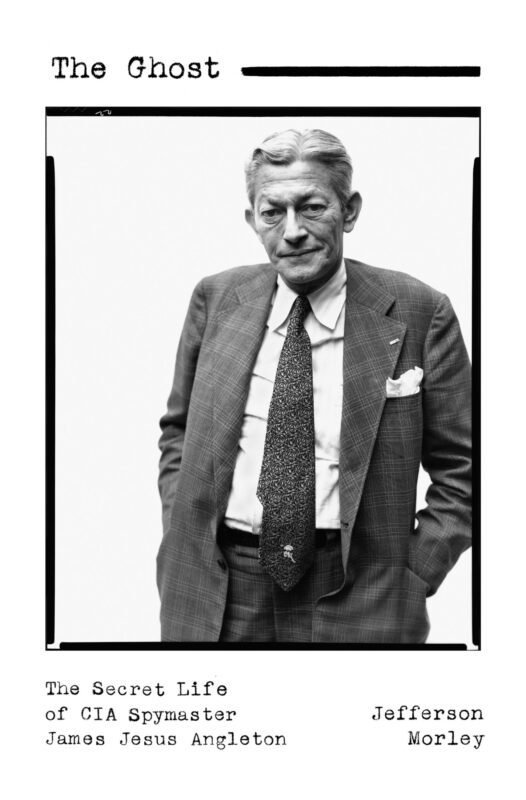
The very qualities that make Goleniewski valuable also breed suspicion. The CIA’s counterintelligence chief, James Jesus Angleton, regards every defector as a potential double agent. Moscow’s history of disinformation campaigns—most infamously the Trust operation—compels American analysts to interrogate every detail, searching for signs of manipulation. Yet Goleniewski’s revelations repeatedly check out, corroborated by independent investigations and resulting in high-profile arrests. Even so, Angleton’s deepening paranoia and the agency’s turf wars with the FBI create friction, delaying the full exploitation of Goleniewski’s intelligence.
The Mechanisms of Betrayal
Goleniewski’s career as a double agent rests on tradecraft perfected over years: secret writing, dead drops in Berlin’s Tiergarten and train stations, and coded messages delivered through convoluted channels. His reports arrive monthly, each a densely typed package of operational insights and classified documents. He describes the KGB’s inner workings, its methods for recruiting agents at international fairs, and the existence of deep-cover sleeper networks—MOB networks—prepped for sabotage if war erupts. Goleniewski’s information includes not only enemy activities but also vulnerabilities within Western agencies. His exposure of “red swallows” operations, in which Polish female agents compromise Western diplomats, forces both the CIA and FBI to scrutinize their own ranks for weakness.
Unraveling Conspiracies in London
The momentum accelerates when Goleniewski provides evidence of active KGB moles within British intelligence and the Royal Navy. In London, senior MI5 and MI6 officials meet with CIA representatives at the MI6 headquarters, camouflaged as the Minimax Fire Extinguisher Company. The identification of code-named spies LAMBDA 1 and 2 ignites a new mole hunt, intensifying already fraught relationships among allied agencies. British-American trust, strained by earlier defections—Burgess, Maclean, and Philby—comes under renewed pressure as Goleniewski’s leads drive high-stakes investigations.
The CIA’s Dilemma: Triumph and Turmoil
The initial euphoria within the CIA quickly encounters a series of internal crises. Goleniewski’s avalanche of intelligence strains the agency’s analytic capacity. Some officers view his voluminous reports as a mixture of gold and dross—dense, occasionally meandering, but studded with actionable jewels. Decisions about which leads to follow create friction, especially when evidence implicates American or British nationals. As operations unfold, the risk of missteps looms. The agency’s internal divisions—between operational, analytical, and counterintelligence branches—widen, complicated by Goleniewski’s own eccentricities.
The Romanov Claim and Shifting Fortunes
Goleniewski’s story takes a dramatic turn as he insists upon a new identity: Alexei Romanoff, the Tsarevich, and heir to the Russian throne. His claim, bolstered by some White Russian emigres and religious authorities, introduces a note of melodrama into a story already marked by subterfuge. This assertion quickly undercuts his credibility in the eyes of agency leaders and government officials. Congressional committees and successive presidential administrations treat his testimony with caution. The CIA, which had once lobbied for his citizenship and shielded him in safe houses, now distances itself. Briefings to Congress and the media paint Goleniewski as delusional, unraveling the reputation of the man they once deemed the “best defector the CIA ever had.”
The Impact of Goleniewski’s Espionage
Goleniewski’s disclosures trigger a series of cascading events across the intelligence landscape. His files expose weaknesses within Soviet bloc agencies, forcing Warsaw and Moscow to launch desperate countermeasures. The Polish government sentences him to death in absentia and launches an eight-year covert campaign to track and discredit him in the West. Meanwhile, Western agencies initiate broad internal reviews, launching their own mole hunts and adopting new operational protocols in light of the vulnerabilities Goleniewski revealed.
Suppression, Redaction, and Historical Amnesia
Official records concerning Goleniewski remain largely inaccessible. The CIA releases only heavily redacted documents, and British agencies cite “continuing sensitivity” to justify the withholding of key files. In Poland, declassified intelligence files emerge decades later, offering new perspectives on his motivations and operational methods. Through persistent archival research, Tim Tate reconstructs the hidden narrative, cross-referencing scattered files and memoirs to reveal a portrait of a man caught between loyalty and betrayal.
The Human Cost of Espionage
Goleniewski’s odyssey through the labyrinth of Cold War espionage exacts a profound personal toll. His choices endanger his family and loved ones, especially after his defection. The West, once his refuge, becomes another arena of distrust and isolation. Deprived of agency support and increasingly marginalized, Goleniewski’s mental health deteriorates. The agencies that benefited from his risks now position him as an outcast, compounding the sense of abandonment.
Lessons from the Wilderness of Mirrors
Goleniewski’s life encapsulates the core paradox of Cold War intelligence: the very qualities that make a source valuable—deep access, duplicity, and secrecy—render him perpetually suspect. The agencies’ drive to safeguard themselves often becomes a self-defeating spiral. As Angleton’s doctrine spreads, the intelligence community becomes lost in a “wilderness of mirrors,” unable to distinguish deception from reality. Goleniewski’s revelations about Soviet disinformation inspire new vigilance but also fuel internal chaos, driving agencies to pursue phantom moles and question the loyalties of their own officers.
Agent Sniper’s Enduring Legacy
The consequences of Goleniewski’s defection radiate through time, altering the operational culture of Western intelligence. His exposure of KGB and Polish espionage networks forces a reevaluation of security procedures, recruitment methods, and counterintelligence strategies. Decades later, his legacy persists in the closed files and ongoing secrecy that shroud agency histories. Researchers and journalists, following the trails left by his reports, continue to unravel the operational and human complexities of his story.
A Mirror of the Cold War’s Shadow World
Tim Tate situates Agent Sniper at the intersection of heroism and tragedy. Goleniewski stands as both a courageous truth-teller and a deeply flawed man, whose brilliance and hubris shaped—and ultimately undermined—his mission. His life demonstrates how the forces of secrecy, suspicion, and ambition converge in the world of espionage, producing outcomes as dramatic and consequential as any battlefield.
Who owns the story of a spy who changed the course of intelligence history? As files remain sealed and officials refuse to reckon fully with the past, the answer continues to elude. The lessons of Goleniewski’s rise and fall continue to echo—demanding attention from anyone who seeks to understand the structures of modern intelligence and the costs paid by those who navigate its shadows.