All The Presidents’ Bankers

All the Presidents’ Bankers by Nomi Prins exposes the century-spanning web of personal, financial, and political alliances binding America’s most powerful bankers to its presidents. Prins draws a direct, meticulously documented line from the late nineteenth-century financial titans to the global banking behemoths of the twenty-first century, arguing that these relationships forged and preserved the American financial state, shaped U.S. domestic and foreign policy, and determined the trajectory of economic power. Presidents from Theodore Roosevelt to Barack Obama found their decisions shaped and channeled by the private interests and strategic vision of a small cohort of elite bankers, whose ability to marshal capital, sway markets, and deploy influence positioned them as kingmakers behind the scenes of government.
Origins of Financial Power and Presidential Partnership
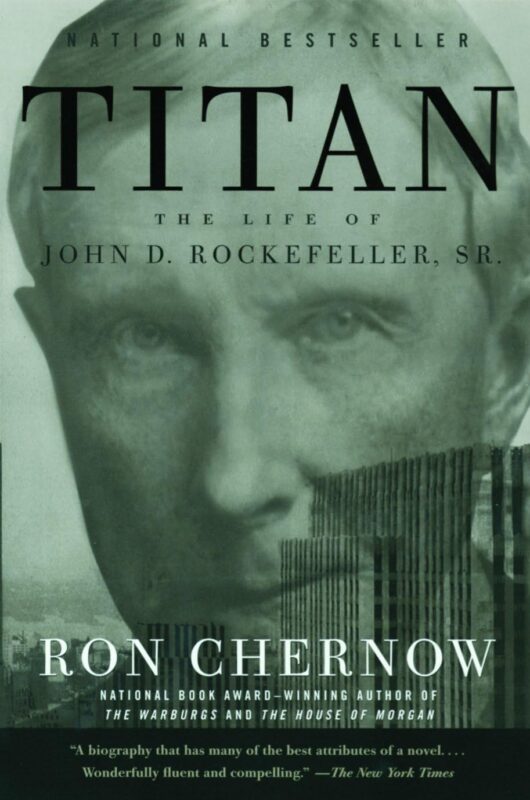
Industrialization in the late 1800s catalyzed the ascent of American banking power. J.P. Morgan and John D. Rockefeller, among others, transformed fortunes built on steel and oil into dynastic financial empires. They orchestrated capital flows, reorganized entire industries, and brokered peace during economic panics, not as distant financiers but as direct interlocutors with the presidency. When economic instability threatened the nation, Morgan and Rockefeller sat at the core of solutions—sometimes more essential than the White House itself. Money no longer simply funded industry; it became a force shaping the architecture of the American state. Decisions about railroads, steel, and oil merged into the consolidation of financial trusts and banking houses, which asserted command over the levers of American progress.
The Panic of 1907: Crisis and Consolidation
Financial instability culminated in the Panic of 1907. Market speculation and interlocking directorships triggered a wave of fear and withdrawals. President Theodore Roosevelt, known for trustbusting, soon realized that the only viable saviors of the financial system worked outside the halls of government. J.P. Morgan convened New York’s leading bankers, orchestrated bailouts, and stabilized markets—leveraging both private capital and the public treasury. This event forged a precedent: during national emergencies, presidents turned to bankers for salvation, creating a template for future crises. Morgan and his contemporaries proved themselves not simply as private actors, but as co-architects of American financial stability.
The Creation of the Federal Reserve and Entrenchment of Elite Influence
After 1907, the banking elite and policymakers recognized the need for a permanent backstop. Senator Nelson Aldrich, entwined by both family and business with the Rockefellers, championed central banking reform. Bankers and lawmakers gathered at Jekyll Island in 1910 to design what would become the Federal Reserve. Although politicians presented the institution as a public good, its architecture reflected the priorities of its principal architects—the leading bankers of Wall Street—who sought a central mechanism to secure liquidity in emergencies, protect their assets, and ensure the durability of their influence. The Federal Reserve became the cornerstone of American financial policy, with its leadership drawn from and answerable to both government and elite banking interests.
Personal Alliances and the Machinery of Government
Personal relationships defined the interactions between bankers and presidents across the twentieth century. These were not mere professional courtesies but deeply embedded alliances, often reinforced by shared social circles, marriage, and mutual dependence. Presidents Woodrow Wilson, Franklin D. Roosevelt, and Harry Truman each leaned on trusted financiers—such as Thomas Lamont, Winthrop Aldrich, and Sidney Weinberg—to design policy, fund war efforts, and steer recovery plans. The bankers, in turn, gained access to decision-making at the highest levels, using their expertise and resources to mold legislative outcomes. This pattern recurred during every major war and crisis, including the Great Depression and World War II, as the federal government relied on the strategic counsel and financial backing of these trusted insiders.
Shaping the New Deal and Banking Regulation
The Great Depression forced a national reckoning with banking power. Public outrage and congressional scrutiny led to the Glass-Steagall Act, which separated commercial and investment banking. Yet, the law’s ultimate form emerged from the interplay between reformist energy and the careful input of bankers such as Winthrop Aldrich of Chase, who publicly supported select measures while ensuring that financial institutions retained room to maneuver. Presidents sought guidance from their banking advisors even as they positioned themselves as reformers. The banking elite influenced not only policy content but the pace and direction of reform, demonstrating that their counsel remained indispensable during even the most anti-establishment moments.
Postwar Expansion and the Globalization of Banking
Victory in World War II propelled the United States to global financial hegemony. Wall Street’s leading firms—guided by figures like David Rockefeller and Walter Wriston—became the primary agents of America’s postwar economic expansion. They engineered international loans, coordinated with the government on Bretton Woods institutions, and recycled petrodollars into developing markets. Their global reach extended the influence of American policy, blurring the line between national interest and private profit. As American banks financed reconstruction in Europe and infrastructure in the developing world, presidents relied on their bankers’ international expertise, further binding the fortunes of Wall Street and Washington.
Deregulation and the Transformation of Alliances
By the 1970s, personal alliances between bankers and presidents shifted toward transactional relationships, increasingly mediated through campaign financing, lobbying, and legal maneuvering. Bankers like David Rockefeller and Walter Wriston still maintained access, but the rise of regulatory capture and the growth of multinational finance reconfigured the dynamics of influence. Deregulation became the new doctrine. Both Democratic and Republican administrations, under pressure from financial lobbyists and facing the new realities of global competition, systematically dismantled New Deal-era constraints. The repeal of Glass-Steagall in 1999 marked the culmination of a decades-long campaign, with Sandy Weill of Citigroup orchestrating the final push. This transition created the conditions for a new era of financial risk and innovation, setting the stage for future crises.
The New Big Six and the 2008 Financial Crisis
A new generation of banking executives, such as Jamie Dimon of JPMorgan Chase and Lloyd Blankfein of Goldman Sachs, led the so-called “New Big Six.” These institutions consolidated control over vast swathes of the American and global economies, influencing monetary policy, legislation, and even the appointment of key regulators. The financial crisis of 2008 revealed the persistence and evolution of these connections. Bankers and Treasury officials coordinated massive bailouts, leveraging government funds to rescue private balance sheets. Nomi Prins identifies the corporate lineage between the leading bankers of 1929 and those steering the response to 2008, arguing that the financial and political DNA of Wall Street’s elite remained fundamentally unchanged.
Bankers in the Cabinet: Revolving Doors and Policy Convergence
The integration of bankers into cabinet positions—such as Robert Rubin and Hank Paulson at the Treasury—further institutionalized the revolving door between Wall Street and Washington. Presidents sought their expertise for navigating complex global markets and crises, while these bankers brought the interests and perspectives of their former firms into the heart of policymaking. Legislative outcomes, regulatory reforms, and crisis management strategies bore the imprint of the priorities, assumptions, and preferences of the financial elite. The fusion of public service and private interest, Prins argues, transformed the state apparatus into a mechanism for perpetuating and expanding the influence of the banking oligarchy.
Patterns of Influence: Intermarriage, Social Circles, and Elite Consensus
Elite consensus extended beyond the boardroom and the Oval Office into social institutions and even family ties. Strategic marriages, club memberships, and philanthropic alliances reinforced the cohesion of this ruling class. Children of bankers entered government, while presidential offspring found careers in finance. These ties enabled coordination and trust, fostering a level of influence that transcended formal channels. Major policy initiatives, from wartime finance to monetary stabilization, reflected not just technical expertise but a shared worldview—one that prioritized stability, growth, and the perpetuation of elite control.
Consequences for Democracy and Public Interest
The web of alliances documented by Prins shaped the possibilities of American democracy. Decisions about war, peace, regulation, and recovery were conditioned by the priorities of those with direct access to the presidency. The book asserts that this ongoing symbiosis has consistently subordinated the public interest to the goals of financial power, producing cycles of boom and bust, costly bailouts, and a persistent gap between official rhetoric and substantive reform. The influence of elite bankers, she contends, distorts the democratic process, privileging the interests of the few over the needs of the many.
Implications for the Future: Accountability and Reform
As the legacies of past crises converge with the challenges of globalized finance, the persistence of these alliances raises urgent questions. Can a democracy sustain itself when the same institutions that drive speculative risk wield disproportionate influence over national policy? How do patterns of power evolve when elite consensus overrides electoral outcomes and public debate? Prins concludes that the only path to sustainable reform requires both transparency and a recalibration of the relationship between money and power. Without systemic changes, she warns, the country will face recurring crises, each shaped and managed by the same narrow set of actors.
Conclusion: The Enduring Legacy of Banker-Presidential Alliances
All the Presidents’ Bankers contends that America’s trajectory as a superpower rests on the coordinated actions of its political and financial elites. The personal alliances, institutional partnerships, and ideological convergence documented in the book shaped every major event in the nation’s financial history. As presidents relied on bankers for counsel, capital, and crisis management, bankers in turn relied on presidents to preserve and expand their influence. The resulting pattern—deep, resilient, and self-reinforcing—remains the central axis of American power, influencing the fate of the country and the world. The book invites readers to recognize these patterns and confront the structural challenges they pose to democracy, equity, and long-term stability.