Mind-Controlled Sex Slaves and the CIA

Mind Control Sex Slaves and the CIA by Tracy R. Twyman thrusts readers into the shadows of modern conspiracy and historical allegations of clandestine government activity. The book draws from declassified CIA programs, survivor testimony, and journalistic investigation, mapping a landscape where secret operations, ritual trauma, and power intersect. Twyman assembles a provocative record that ties documented mind control research to claims of elite sexual exploitation, occult ritual, and covert manipulation at the highest levels of authority.
The Roots of Project MONARCH and the Legacy of MK-ULTRA
Tracy Twyman anchors her narrative in the legacy of MK-ULTRA, the infamous CIA mind control project that flourished during the Cold War. Documents released through the Freedom of Information Act confirm that the CIA, through MK-ULTRA, sponsored experiments in hypnosis, drug administration, sensory deprivation, and psychological torture. Project MONARCH, as described in the book, grows from this lineage. It represents a theorized branch of mind control research, one dedicated to the creation of dissociative identities within children—alters conditioned through ritualized trauma, sexual abuse, and sophisticated psychological programming. These identities could then be programmed for covert purposes, from espionage to sexual servitude.
Alleged Techniques and Mechanisms of Control
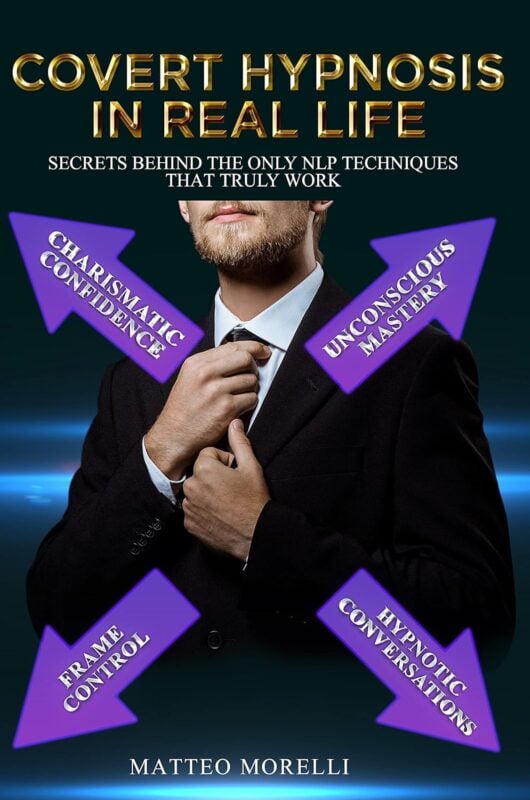
Mind Control Sex Slaves and the CIA describes a system of programming built on induced trauma. Victims recount methods including torture, hypnotic induction, drugs, electroshock, and sleep deprivation. The goal: fracture the psyche, instill obedience, and create amnesiac barriers between different personalities. The book emphasizes the use of Neuro-Linguistic Programming (NLP) and pop cultural symbols, especially themes from films such as The Wizard of Oz, Alice in Wonderland, and Disney’s catalogue. These references, inserted through ritual and repetition, allegedly create “triggers” to control behavior or elicit specific actions in the programmed individual. According to survivor accounts, handlers deploy these triggers to activate hidden alters that perform tasks ranging from sexual service to information courier work.
Survivor Testimony: Cathy O’Brien and the Emergence of a Narrative
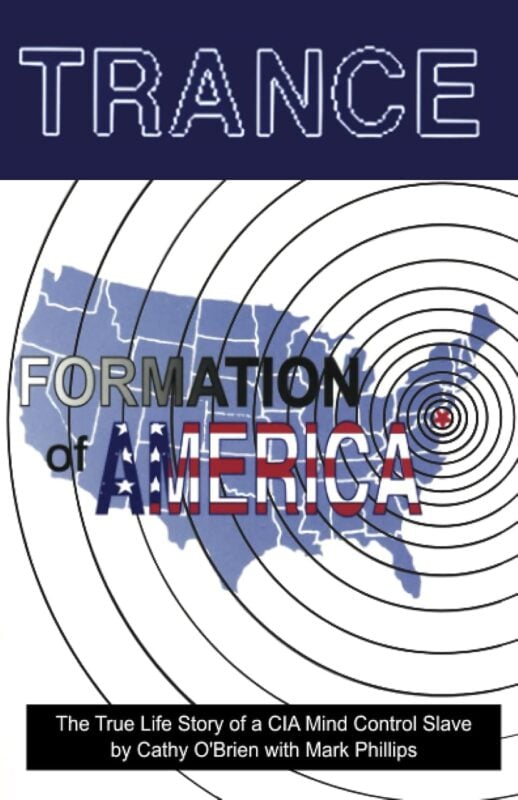
Cathy O’Brien’s account forms a core testimonial thread within Twyman’s work. O’Brien claims multi-generational sexual abuse in Muskegon, Michigan, an environment described as a center for incest and organized pedophilia. According to her narrative, government agents—acting under the auspices of Project MONARCH—identified children from these backgrounds for conditioning. O’Brien asserts that her father, after being caught producing child pornography, sold her into the project in exchange for immunity. Formal programming allegedly began in her early childhood, intensifying through ritual abuse, isolation, and the manipulation of every element of her environment. O’Brien describes handlers and controllers who guided her physical movements, orchestrated abuse, and reinforced trauma to ensure compliance.
Symbolism and Cultural Engineering
The book foregrounds the importance of symbols and stories in programming. O’Brien and others describe how abusers and programmers deliberately shape the victim’s worldview through the selective exposure to media and narratives. Disney films, country music, and patriotic rituals reinforce obedience, fragment the self, and supply a language of metaphor through which commands and triggers can be coded. Themes such as “over the rainbow” and the motifs of Cinderella or Alice create a mental landscape in which alters are trained to perform tasks while dissociating from pain or reality.
Alleged Networks of Power and Exploitation
Twyman’s narrative catalogs extensive accusations against prominent figures. Survivor accounts name senators, presidents, judges, celebrities, and foreign dignitaries as participants in a clandestine network. These individuals, the book claims, use mind-controlled sex slaves for personal gratification, blackmail, and strategic leverage. The operational logic is clear: victims programmed through trauma and secrecy cannot easily testify or reveal the system, and video or photographic documentation enables blackmail against those in power. Twyman links the existence of such networks to funding for black operations, the production and sale of child pornography, and the perpetuation of institutional silence.
Ritual Abuse and the Intersection with Satanic Symbolism
Satanic ritual abuse occupies a critical place in the accounts presented. Survivors recall ceremonies that invert religious rituals, invoke occult symbols, and inflict extreme psychological trauma. The book presents Bohemian Grove, church basements, and military bases as venues for such rituals, where victims undergo humiliation and psychological fragmentation. These rituals, far from religious devotion, serve as mechanisms to intensify dissociation and ensure obedience to programmers. Occult themes, often blended with science-fiction and fantasy elements, reinforce helplessness and suggestibility.
The Role of Handlers, Triggers, and Deprogramming
The book explains the operational hierarchy in terms of handlers, owners, and controllers. Handlers transport, instruct, and reinforce programming, while controllers (often high-ranking officials) direct which projects and clients the victims serve. Triggers, often innocuous phrases, objects, or songs, enable instant activation of programmed alters. Deprogramming, in this framework, demands the identification and neutralization of these triggers. Twyman highlights attempts at recovery, such as Cathy O’Brien’s “rescue” by Mark Phillips, who claims to have received deactivation codes from intelligence contacts. Other survivors employ hypnosis, journaling, or collage to retrieve lost memories and dismantle programming.
Legal Cases and Public Scandal
The narrative draws connections between survivor accounts and public scandals. The Franklin Cover-Up, involving allegations of a child prostitution ring in Nebraska, features prominently. Paul Bonacci, one of the plaintiffs, testifies to cross-country transport for abuse parties, implicating financiers, politicians, and intelligence figures. Judicial findings confirm repeated sexual assault, false imprisonment, and the orchestration of ritual abuse. Twyman documents court awards, settlements, and the presence of coded injuries or behaviors in survivors. The narrative asserts a pattern: whenever victims approach legal resolution, public disbelief, intimidation, or the power of secrecy intervenes.
Skepticism, the Role of Memory, and Professional Dispute
The book acknowledges the skepticism that surrounds claims of mind control and ritual abuse. Twyman cites the False Memory Syndrome Foundation and statements from psychologists who argue that many recovered memories result from suggestion, hypnosis, or therapeutic influence. Critics challenge the historical accuracy of such accounts and question the existence of massive, coordinated conspiracies. Despite this, Twyman underscores the convergence of survivor narratives, the existence of documented abuse scandals, and the financial and political incentives for silence.
Mass Mind Control, Social Engineering, and the Culture of Secrecy
Twyman extends the concept of mind control beyond individual victims. She asserts that large-scale trauma—terrorist attacks, political scandals, or economic shocks—renders societies more suggestible and vulnerable to manipulation. Television, music, and repetition of information become tools for mass conditioning. She suggests that the proliferation of entertainment, advertising, and controlled news contributes to the normalization of secrecy and obedience. In this landscape, the distinction between individual programming and mass manipulation blurs, raising questions about the relationship between trauma, authority, and cultural control.
The Persistence of the Project MONARCH Narrative
The MONARCH story, as presented in Mind Control Sex Slaves and the CIA, persists as both testimony and warning. Twyman argues that understanding mind control, programming, and the psychology of trauma is essential for interpreting the recurrence of sex scandals, institutional cover-ups, and the exercise of power. She concludes that the architecture of secrecy—legal intimidation, cultural denial, and the deliberate production of dissociation—sustains systems of abuse. Survivors who emerge do so through the unraveling of programming, recovery of memory, and the decision to speak in public.
Societal Implications and the Imperative of Knowledge
Twyman emphasizes the social consequences of secrecy and mind control. She warns that the suppression of information about trauma, programming, and exploitation enables the proliferation of abuse and the maintenance of authoritarian systems. The book treats knowledge as both shield and weapon: those who recognize the methods of manipulation gain the ability to protect themselves, question authority, and resist coercion. The spread of survivor accounts, investigative reporting, and declassified documents strengthens public resistance to psychological and institutional domination.
Patterns of Convergence and the Unresolved Narrative
Mind Control Sex Slaves and the CIA compels the reader to confront a landscape where personal testimony, historical research, and conspiracy converge. The pattern Twyman reveals depends on the intersection of psychological theory, institutional secrecy, and the lived experience of survivors. The persistence of ritual abuse narratives, repeated scandals involving the powerful, and the continual invocation of mind control in popular culture point to an ongoing pattern. Whether interpreted as historical fact, psychological metaphor, or social allegory, the narrative advances a provocative critique of modern power and its relationship to secrecy, trauma, and obedience.
Authority, Memory, and the Battle for the Self
The book’s final message resounds with urgency. Knowledge of mind control techniques, survivor stories, and the mechanisms of psychological fragmentation must enter public discourse. Twyman positions the battle for personal and collective memory as a struggle against forces that seek to dominate by erasing history and suppressing the will. The capacity to resist control, reclaim memory, and confront trauma marks the path toward autonomy and social accountability.
SEO Keywords: Mind Control Sex Slaves and the CIA, Tracy R. Twyman, Project MONARCH, MK-ULTRA, CIA mind control, ritual abuse, Cathy O’Brien, survivor testimony, Franklin Cover-Up, Satanic Ritual Abuse, dissociative identity disorder, conspiracy, mind control techniques, social engineering, child trafficking, elite sex scandals, government secrecy, trauma programming, media symbolism, handlers and triggers, deprogramming, false memory syndrome, occult ritual, blackmail, abuse recovery, institutional cover-up.