How to Win Friends & Influence People
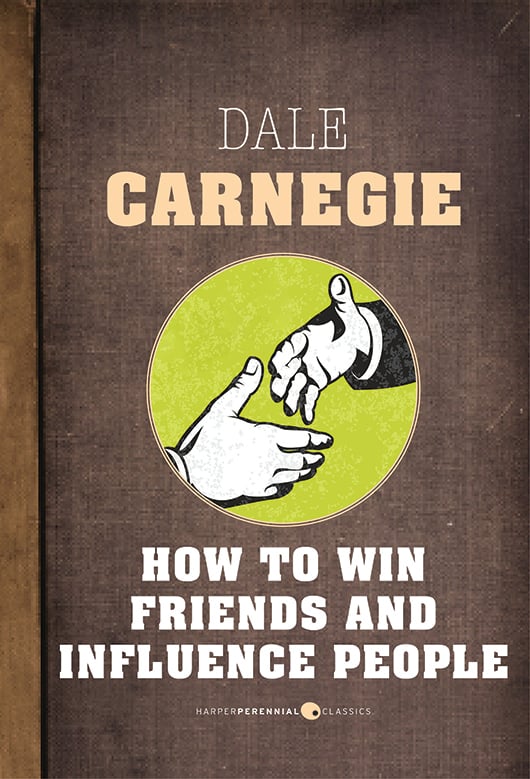
How to Win Friends and Influence People by Dale Carnegie defines a practical philosophy of human interaction, persuasion, and leadership through concrete principles grounded in lived experience and behavioral psychology. Carnegie organizes his insights into actionable steps, offering a systematic approach to cultivating positive relationships and amplifying personal influence. The book sets forth methods that clarify how people respond to attention, appreciation, and engagement, structuring these techniques for use in business, family, and social contexts.
The Core Principle of Positive Engagement
Carnegie builds his foundation on the assertion that people respond powerfully to recognition and understanding. When someone faces criticism, defensive reactions and self-justification often follow, severing rapport and stifling cooperation. Rather than imposing blame, the method involves seeking out the conditions and motives that drive actions. By asking what compels another person to act, and identifying the desires underlying surface behaviors, a leader or peer draws out the full context in which someone operates.
Carnegie frames criticism as futile, arguing that it wounds pride and triggers resentment rather than catalyzing improvement. Behavioral science validates this view: rewards accelerate learning and performance far more than punishment or disapproval. Managers who use encouragement and appreciation find their teams embrace higher standards and persist through setbacks. The narrative of Charles Schwab’s management style, with its focus on heartfelt praise and public approbation, shows that people stretch their capacities when they sense genuine approval. The examples of John D. Rockefeller and Abraham Lincoln reinforce this thesis through stories where recognition, not reproof, enabled growth and harmony.
The Psychological Power of Importance
Human beings seek significance. Carnegie draws from Freud and John Dewey, emphasizing that the desire to feel important constitutes a central drive. Status, appreciation, and the sense of being valued shape behavior at home, in the workplace, and among friends. When someone satisfies this need authentically, they earn lasting goodwill, trust, and loyalty.
Carnegie collects anecdotes from history to illustrate the depth and consequence of this yearning. Rockefeller funded hospitals in distant countries to secure lasting meaning for his life and fortune. Leaders from George Washington to Catherine the Great curated titles and honors that affirmed their standing. The pursuit of importance steers major and minor decisions alike. Parents, teachers, and executives who grant appreciation see transformative results, as seen in the story of Stevie Wonder, whose teacher unlocked his musical future with one gesture of encouragement.
Genuine Appreciation Versus Flattery
Carnegie draws a firm line between honest appreciation and empty flattery. Appreciation emerges from sincere observation and a spirit of goodwill. It focuses on specifics, reinforces good action, and rings true. Flattery, by contrast, masks manipulation and evaporates under scrutiny. Carnegie insists on speaking directly to what is admirable or well-done in a person’s behavior. He urges readers to look for the good and express it freely, knowing that authentic praise lodges in memory, kindles ambition, and cements relationships.
He supports this claim through stories from business, domestic life, and personal correspondence. The tale of the runaway wives study reveals that lack of appreciation motivates withdrawal and estrangement, while stories of leaders like Andrew Carnegie and Florenz Ziegfeld depict cultures of encouragement that breed creative output and mutual support. The ability to recognize and vocalize the strengths of others serves as the central lever for influence.
The Art of Making People Want
Carnegie’s framework teaches that influence relies on arousing an eager want within the other person. Rather than stating one’s own preferences, the influential individual frames requests and guidance in terms of what the listener desires. This logic permeates Carnegie’s advice to parents, negotiators, and leaders: those who can articulate and fulfill the other person’s wants create buy-in and active participation.
Stories amplify this point. Andrew Carnegie once secured immediate responses from his nephews simply by promising, then omitting, a five-dollar bill from his letter, which created desire and prompted engagement. In a business negotiation, Dale Carnegie himself illustrated the advantages and disadvantages for the hotel manager rather than his own inconvenience, yielding favorable terms by aligning with the manager’s incentives. By centering the other party’s perspective, communicators cultivate willing cooperation, diffuse conflict, and enhance satisfaction for both sides.
Active Listening and Genuine Interest
Listening transforms relationships. Carnegie explains that genuine attention signals respect and stirs openness in others. Letting people share their experiences, opinions, and aspirations builds trust and rapport. Conversations shift when the listener attends actively, asks follow-up questions, and refrains from steering the discussion back to themselves.
The book weaves in examples from sales, education, and personal life, showing how listening increases influence and deepens bonds. The story of the janitor in Connecticut demonstrates how recognition of effort, communicated before colleagues, turns performance around, fosters confidence, and integrates the worker into the larger community. When people feel heard, they invest more fully in the relationship and respond to requests with goodwill.
Concrete Steps for Making People Like You
Carnegie structures his process for likability through several key actions. These include showing sincere interest in others, remembering names, encouraging people to talk about themselves, and making the other person feel important in every interaction. He advocates starting with a smile and establishing rapport before any substantive exchange occurs.
These methods accumulate practical momentum. As people sense respect and acknowledgment, they reciprocate with warmth and openness. The chapters build on the assertion that emotional engagement and social investment precede influence and persuasion. By observing and acting on these principles, readers find themselves welcomed into circles, trusted with responsibility, and regarded with esteem.
Winning People to Your Way of Thinking
Persuasion follows from empathy and shared purpose. Carnegie distills a sequence for guiding others toward agreement without coercion. Key steps involve respecting the other person’s opinions, admitting one’s own mistakes, appealing to nobler motives, dramatizing ideas with vivid examples, and inviting participation rather than dictating outcomes.
He illustrates this approach with stories of negotiation, mediation, and leadership. By deferring immediate judgment and asking questions that elicit the other party’s rationale, a communicator uncovers underlying priorities and opens the door to compromise. Socratic questioning, incremental agreement, and gentle suggestion lead to consensus. Leaders who win cooperation demonstrate flexibility, patience, and a sincere desire for mutual benefit.
Leadership Without Offense or Resentment
Carnegie devotes a section to the art of leadership that inspires improvement without alienating or diminishing others. He recommends beginning with praise, discussing one’s own mistakes before pointing out another’s errors, and inviting suggestions for correction rather than imposing directives. The structure of these encounters prioritizes face-saving and mutual respect.
He recounts Lincoln’s decision to keep a sharp letter of rebuke unsent, recognizing that direct criticism would only entrench resistance and harm future collaboration. Leaders who let people save face, recognize progress, and frame corrections as easy to accomplish trigger motivation and loyalty. The technique of assigning a good reputation for others to live up to becomes a potent catalyst for self-improvement.
Seven Rules for a Happier Home Life
Carnegie extends his philosophy into family dynamics, presenting rules for cultivating harmony and satisfaction at home. These rules emphasize gentle communication, expressions of affection, shared enjoyment, and respect for differences. He includes examples of spousal interaction, parent-child dialogue, and household cooperation.
Marriages and families thrive when partners refrain from criticism, offer consistent appreciation, and express love in concrete ways. The stories collected in these chapters affirm that the desire for importance, understanding, and praise applies as much within homes as in the broader world. Relationships deepen through patient attention, thoughtful words, and shared rituals of gratitude.
Letters That Change Lives
Carnegie includes a section on the written word, illustrating how letters can spark transformation, heal rifts, and open channels of communication. He presents examples of correspondence that blend empathy, encouragement, and constructive suggestion. These letters embody the principles of the book, distilling praise and guidance into concise, sincere messages.
Carnegie explains that writing provides an opportunity to reflect, structure thoughts, and present intentions in their most thoughtful form. Letters allow for pauses and careful word choice, letting appreciation land without misunderstanding or distraction.
The Legacy of Dale Carnegie’s Method
The cumulative effect of the book’s principles lies in their clarity, coherence, and grounding in human experience. Carnegie’s approach advances a vision of human relations built on empathy, structured engagement, and the pursuit of shared significance. Through hundreds of examples and stories, he crafts a system for communication that endures across decades and cultures.
How to Win Friends and Influence People affirms that anyone can cultivate influence, harmony, and success through daily actions that recognize the needs, motives, and accomplishments of others. By integrating these steps into personal and professional life, readers experience visible shifts in relationships, opportunities, and satisfaction. Carnegie’s legacy persists as the architecture of effective, humane, and enduring connection.


About the Book