PTSD: Time To Heal
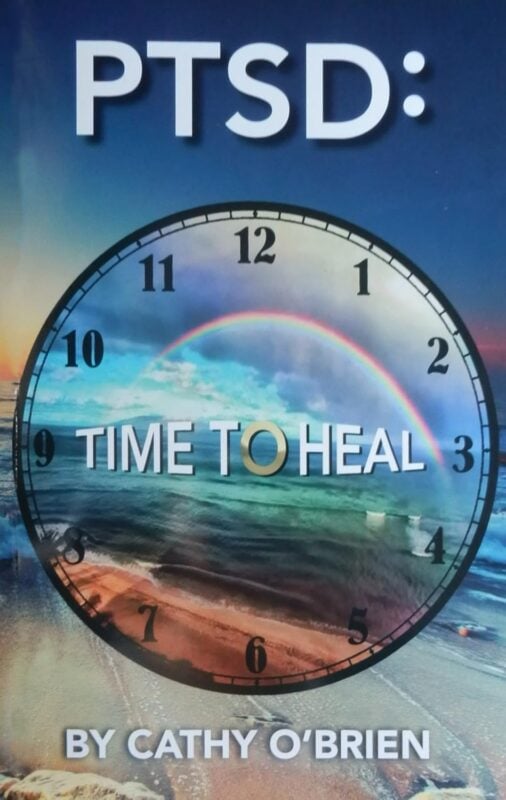
PTSD: Time to Heal by Cathy O'Brien offers a direct manual for reclaiming the mind from trauma, memory fragmentation, and conditioned response systems. O'Brien draws on her personal history as a survivor of MK Ultra government-sponsored mind control programs to provide concrete, actionable steps for trauma recovery. Her voice carries the weight of experience, and her methods align clarity of thought with physiological recalibration.
Writing as Cognitive Realignment
Memory retrieval begins with written expression, not discussion. Verbalizing trauma reroutes neural patterns into entrenchment. Writing without audience redirects emotionally-laden memories into the logic centers of the brain. This method demands privacy and physical writing tools, emphasizing pen-to-paper as a neurological trigger. Consciousness surfaces through motion, not speech.
O'Brien asserts that memory operates photographically. Trauma embeds visual detail, sound, scent, and sensation as a complete archive. Writing extracts these elements into conscious cognition. Each entry peels away the layers of dissociation that block present-tense awareness. The act of recalling becomes structured defragmentation—neurons reopen and reconnect.
Safe Environments Catalyze Mental Access
Healing begins only after physical safety is secured. The brain will not release compartmentalized trauma while proximity to abusers or hostile environments remains. The mind's first allegiance is survival, and dissociation serves that function. Safety cues—familiar animals, serene environments, consistent nurturing—trigger the brain’s recognition that it can reprocess information without threat.
O'Brien’s own recovery began in Alaska, where sensory calm allowed suppressed memory to flash. These intrusions are not breakdowns but signals. The body registers safety before the mind does. Recognizing this primacy reshapes therapeutic models—healing does not initiate in clinics, but in lived conditions that the brain accepts as non-threatening.
Triggers as Entry Points, Not Threats
Memory does not unfold on command. It responds to sensory signals—sound, smell, visual patterns, and even time-based cues. Traumatized brains embed events within associated inputs. A candy, a song, a phrase can unleash the complete scene. Understanding these triggers as pathways rather than symptoms allows for self-directed decompartmentalization.
O'Brien describes constructing collages from instinctively selected magazine clippings. This visual exercise unearthed themes buried beneath layers of programming. When the subconscious selects, the conscious mind can interrogate. Why this image? What memory surfaces with this color or phrase? This process transforms subconscious chaos into conscious recognition.
Nutrition Rewrites Brain Chemistry
The brain’s capacity for healing relies on nutritional integrity. Sleep, water, healthy fats, and clean nutrients fuel neurotransmitter function. Trauma victims often carry disrupted eating patterns, chemical imbalances, or pharmaceutical suppression. Reclaiming internal control requires cleansing those systems. Artificial sweeteners, for example, block cognition and stifle clarity. O'Brien recounts how her MK Ultra handlers used aspartame to inhibit her critical thinking. Eliminating it restored cognitive presence.
She identifies medical cannabis as a tool for reestablishing brain-body connection. It facilitates sleep, reduces adrenal overload, and enables presence. However, she differentiates its use: cannabis serves grounding, not memory retrieval. It stabilizes the nervous system after sessions of memory writing, aiding reintegration. Nutrition, in this model, is not supplement—it is infrastructure.
Chronological Anchoring and Conscious Time
Dissociation fragments time. Survivors lose chronology, sequence, and temporal logic. O'Brien prescribes wearing a wristwatch and deliberately attending to time as a method for rewiring presence. The brain equates time awareness with safety. Chronological structuring—using calendars, documenting life events, listing birthdays and holidays—stabilizes mental flow and reasserts control over temporal cognition.
Flashbacks often arise around key dates. Tracking these patterns reveals embedded trauma cycles. Awareness converts reflex into recognition. When a date elicits anxiety, it becomes a clue—what happened then? Writing unspools the answer.
Deprogramming Fantasy from Factual Recall
Repressed memory may fuse with television plots, books, or suggestions from others. To disentangle reality from fiction, O'Brien enforces the 21-day rule. After writing a memory, the survivor seals the entry, does not speak it, and revisits it three weeks later. Fantasy fades; truth remains. The photographic precision of real memory withstands time. Implanted or mistaken elements blur. This protocol confirms authenticity.
Survivors must question themselves with direct prompts. What do I see? What do I smell? Who is speaking? The mind supplies detail through inquiry. Leading questions contaminate results. Neutral inquiry retrieves clarity. Identifying olfactory cues—often used as obfuscating tools by perpetrators—can collapse false overlays. The sense of smell, unfiltered by logic, becomes a diagnostic tool.
Coping Strategies Build Internal Architecture
Conscious thought is a learned discipline. Survivors exit dissociation through mental exercises that reroute thinking. O'Brien urges the elimination of negative speech that lacks solution. Every thought must move toward reclamation. She calls this the SOULution model: voice no negatives without a solution driven by soul-intent.
Thought selection becomes an act of power. Survivors practice shutting off nightmares, identifying cross-perceptual contamination, and refusing to re-engage with abusers. Reclaiming the capacity to choose is the definition of healing. Rage transforms into fuel. Guilt dissolves through understanding. Shame recedes in the light of self-knowledge.
Semantic Reclamation and Diagnostic Reform
Language fails trauma. Institutions rely on diagnostic frameworks that omit mind control, ritual abuse, and government complicity. O'Brien’s work forces reevaluation of terms like “Dissociative Identity Disorder,” which she defines as a sane brain’s defense to the incomprehensible. Her reframing strips away the pathologizing tone of mainstream models.
She demonstrates that perceptual identity fragmentation results from environmental conditioning, not inherent pathology. Labels often obscure healing by locking the survivor into externally-defined boundaries. Her model prioritizes personal truth over institutional validation. Survivors learn to trust their senses, their memories, and their logic without awaiting confirmation from authorities.
Reintegration as Physical Reentry
Healing is not abstract. It involves reinhabiting the physical body. Sensory awakening—feeling the texture of clothes, pressure on the feet, temperature variations—signals the return of presence. O'Brien describes the shift from numbness to sensation as a marker of reintegration. Touch becomes real again. Environmental interaction no longer feels foreign.
She explains that many survivors self-mutilate or seek tattoos as a means of registering sensation. These acts reflect the desperation to reconnect. Guided memory writing, environmental safety, and conscious nutrition fulfill that need without destruction. Healing reinstates the body's function as a reliable interface for reality.
Final Convergence: Responsibility as Liberation
Survivors who reclaim memory reclaim agency. O'Brien emphasizes that the point of healing is choice. Once reprogramming dissolves, action flows from consciousness. The survivor owns decisions, behaviors, and thoughts. Past conditioning loses influence. Future creation begins.
Support systems matter. Partners, friends, and guides must respect boundaries, avoid interpretive interference, and center the survivor’s autonomy. Healing unfolds internally, powered by deliberate practice. It accelerates through silence, structure, and inner focus. The outside world can assist, but cannot lead.
O'Brien’s model rejects dependence. She offers tools for liberation. The structure of her method demands internal discipline, external safety, and physiological reorientation. PTSD: Time to Heal functions as a blueprint. Its sequence of practices builds toward sustained, conscious freedom. Healing is possible, provable, and structurally replicable. The mind, once shattered, rebuilds with precision.

About the Book