Ritual Abuse in the Twenty-First Century: Psychological, Forensic, Social, and Political Considerations
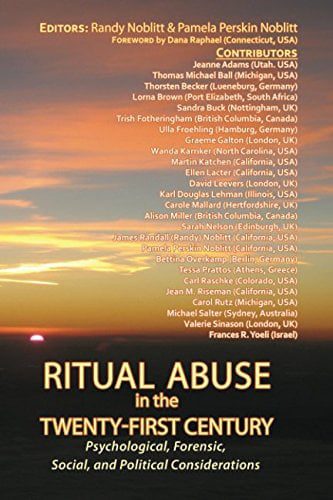
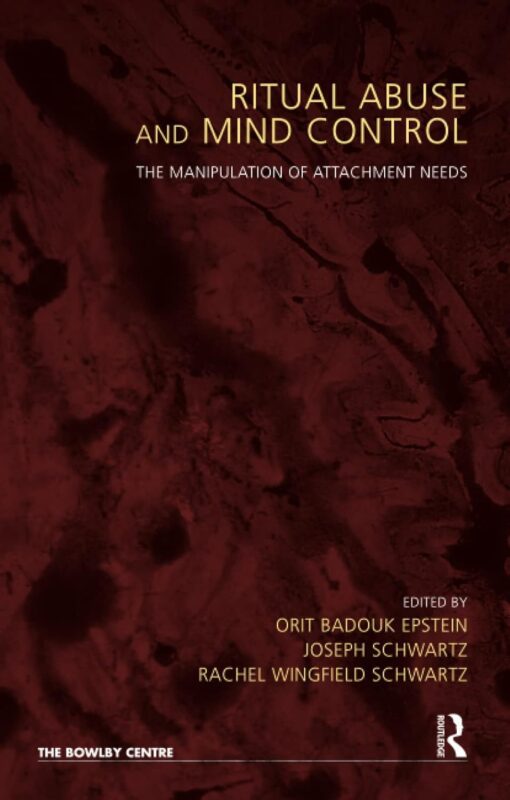
Ritual Abuse in the Twenty-First Century: Psychological, Forensic, Social, and Political Considerations by James Randall Noblitt and Pamela Perskin Noblitt confronts the intersection of trauma, secrecy, and systematic violence with a precise, multidisciplinary lens. The book brings together testimonies, empirical data, and critical analysis from international contributors to establish ritual abuse as a distinct, diagnosable, and treatable form of trauma with far-reaching implications.
Reframing Rituals as Vehicles of Harm
Rituals shape belief systems, identities, and cultural continuity. Yet, when structured to manipulate consciousness and inflict harm, they dismantle rather than bind. Ritual abuse, as defined by contributors to this volume, deploys ceremonial practices to inflict trauma, fragment identity, and exert control. The acts reported involve systemic abuse patterns including torture, coercion, and dissociation, often enacted within ideological frameworks. These are not isolated incidents; they represent structured methodologies to engineer psychological compliance.
Survivor Testimonies as Empirical Foundations
The empirical chapters aggregate large-scale data from nearly 1,500 respondents across 30 countries. Survivors detailed experiences including electroshock, starvation, sensory deprivation, and forced acts against their will, often starting in childhood. Such disclosures converge around identifiable patterns—strategies of fragmentation, programming, and exploitation. The data link ritual abuse with long-term psychological effects, including dissociative identity disorder and complex PTSD. The inclusion of these findings in the literature challenges assumptions that such accounts lack verifiability or coherence.
Diagnostic Clarity and Language Precision
The editors insist on terminological rigor. Ritual abuse demands a vocabulary that distinguishes it from other traumatic experiences. The proposed diagnostic criteria account for specific features: trauma induced in ceremonial contexts, use of symbolic or coded elements, and goal-directed dissociation. Such specification supports differential diagnosis from schizophrenia or borderline personality disorder. The text proposes structured terms like “ritual trauma,” “programming,” and “ideologically motivated crime” to scaffold clinical and forensic discourse with semantic accuracy.
Legal and Forensic Challenges
Convictions exist, but the prosecution of ritual abuse cases faces persistent hurdles. Jurors frequently report belief in victim testimony, yet hesitate to convict due to evidentiary standards. Legal language often lags behind survivor narratives, which undermines prosecutorial coherence. The authors identify a consistent problem: judicial systems rely on visible injury and eyewitness corroboration, while ritual abuse often leaves psychological rather than physical traces. The book calls for forensic models attuned to trauma’s invisible architectures—dissociation, altered states, and encoded memory.
False Memory and Countermovements
Opposition to the recognition of ritual abuse comes most vocally from advocates of the “false memory syndrome.” The book dissects the rhetorical and institutional power of such counter-movements. It shows how linguistic control—terms like “false memory,” “hysteria,” and “moral panic”—has shifted legal and public opinion away from survivor credibility. Authors in this volume expose these constructs as ideologically motivated attempts to discredit therapeutic and legal progress. The analysis tracks how a backlash driven by self-interest and fear of liability has distorted discourse.
Intersections with Mind Control and Organized Crime
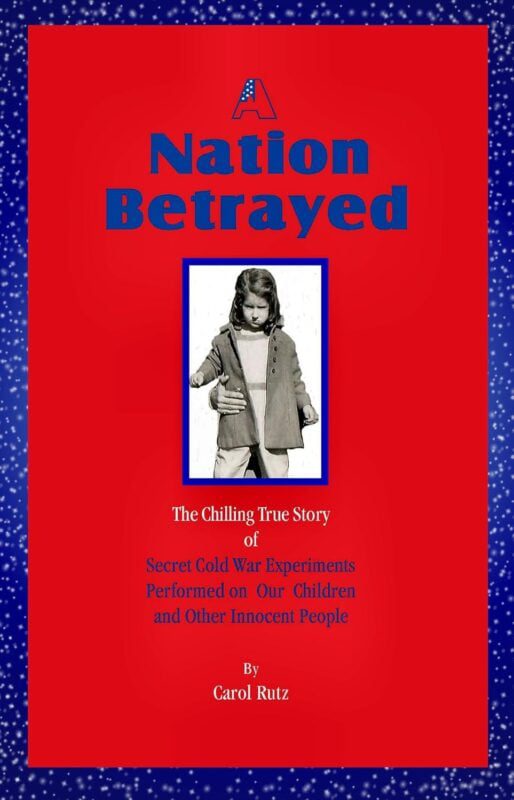
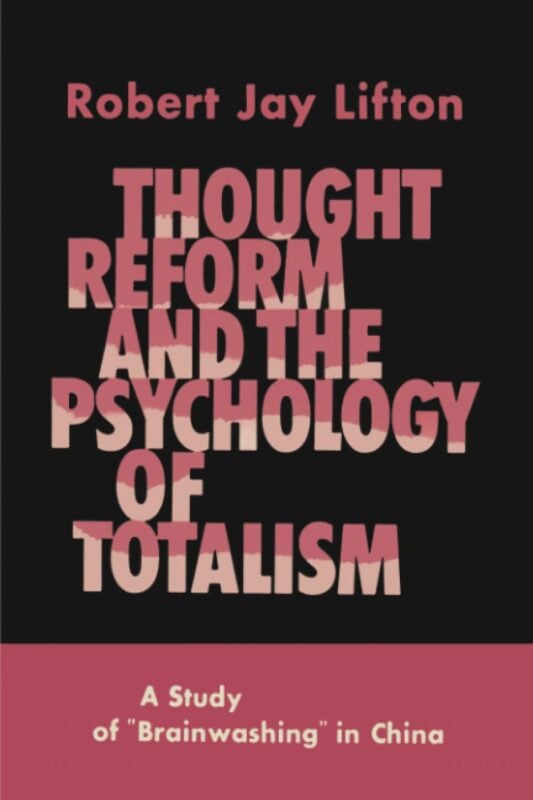
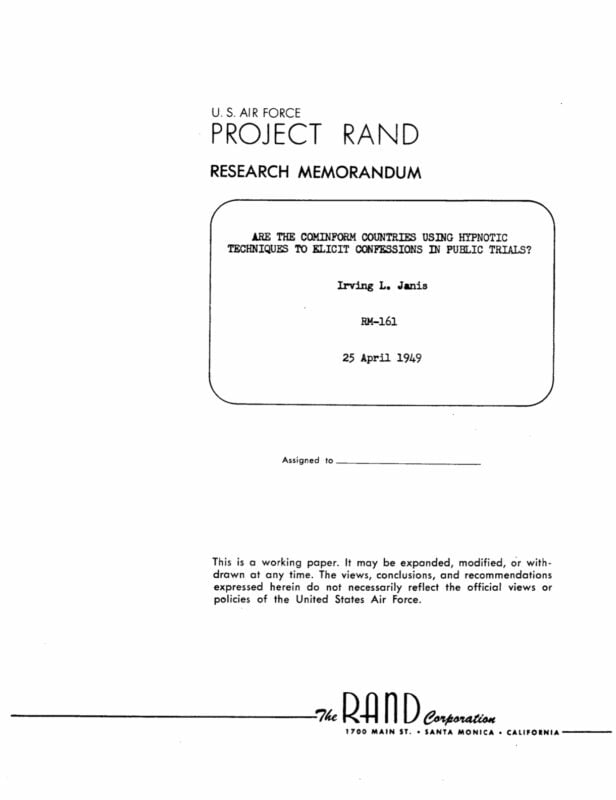
Several chapters trace ritual abuse to broader systems of social control. Survivors report military and intelligence-based programming, experimental conditioning, and trafficking networks that use ritualized trauma to enforce obedience. These connections draw upon declassified documents and consistent survivor accounts. The use of mind control as an operational tool in these networks suggests institutional complicity and the exploitation of psychological research for coercive ends. The text frames these patterns not as speculative but as evidentiary, urging further forensic investigation.
The Global Spread and Cultural Variants
Ritual abuse operates across continents. Reports emerge from the United States, the United Kingdom, Australia, Germany, South Africa, and others. Each case presents culturally inflected methods but converges in psychological technique and outcome. The phenomenon aligns with broader structures of power, secrecy, and control, often masked under religious, political, or ideological veneers. By framing ritual abuse as ideologically motivated crime, the authors provide a transnational template for comparative legal, psychological, and anthropological study.
Therapeutic Response and Clinical Models
The book outlines treatment strategies grounded in trauma theory, dissociation research, and survivor-informed practice. Case studies demonstrate how survivors navigate complex memory structures, internal fragmentation, and re-traumatization triggers. Therapeutic modalities include EMDR, somatic processing, and memory integration. The authors emphasize the importance of a stable therapeutic alliance, clinician education on ritual trauma, and the dismantling of internalized programming. Effective therapy begins by validating the survivor’s account and restoring narrative control.
Personal Narratives and Their Function
Autobiographical chapters offer first-person insight into the lived experience of ritual abuse. These narratives reveal not only trauma but also resistance. Survivors describe reclaiming agency, advocating for justice, and supporting others through collective action. The stories act as case material, emotional testament, and historical documentation. They function as evidence, not anecdote, confirming empirical findings and illustrating therapeutic principles. These voices shift the epistemic center—survivors define the discourse.
Reconceptualizing Ritual Abuse in Public and Policy Arenas
The book challenges policymakers, clinicians, and legal professionals to reframe ritual abuse from a marginal narrative to a structural crisis. It urges legislative reform, trauma-informed legal practice, and media responsibility. The authors propose systemic shifts in child protection, survivor services, and institutional accountability. They define ritual abuse as a public health issue with forensic implications, not a private trauma or subcultural pathology. This framing compels engagement from state actors, research bodies, and civil society.
Integrated Frameworks for Future Action
The convergence of psychological data, survivor testimony, legal analysis, and international perspective produces a unified call to action. The book defines ritual abuse as a form of engineered trauma with identifiable methods, goals, and effects. It supplies clinical tools, legal insight, and diagnostic language that can standardize response and increase survivor support. Each chapter builds on the last, reinforcing a multidimensional understanding and offering strategies for intervention, prevention, and justice.
Conclusion
Ritual Abuse in the Twenty-First Century substantiates its claims with structured data, lived testimony, and methodological rigor. The editors curate a body of work that refuses to dilute the severity of its subject. The book compels institutions to confront their role in suppression and inaction. It articulates a forward-facing agenda—define the crime, support the survivors, and dismantle the systems that enable ritualized harm.

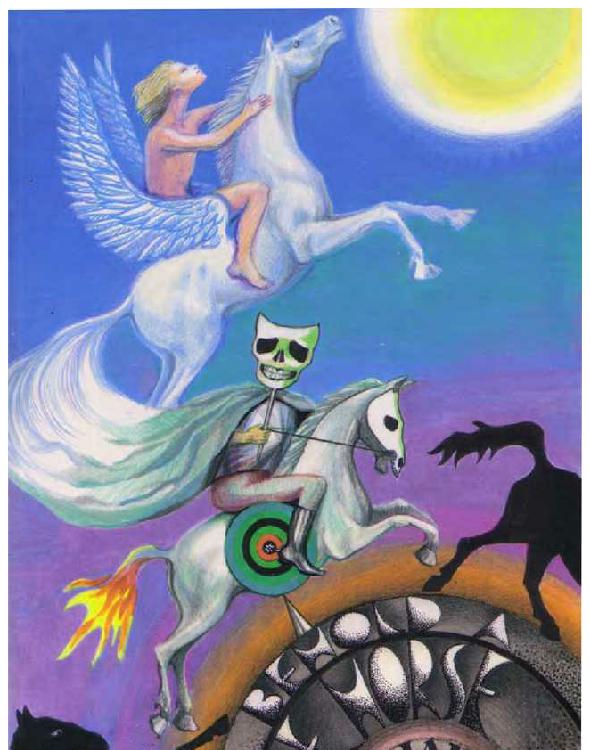
About the Book