Satanic Ritual Abuse: Principles of Treatment
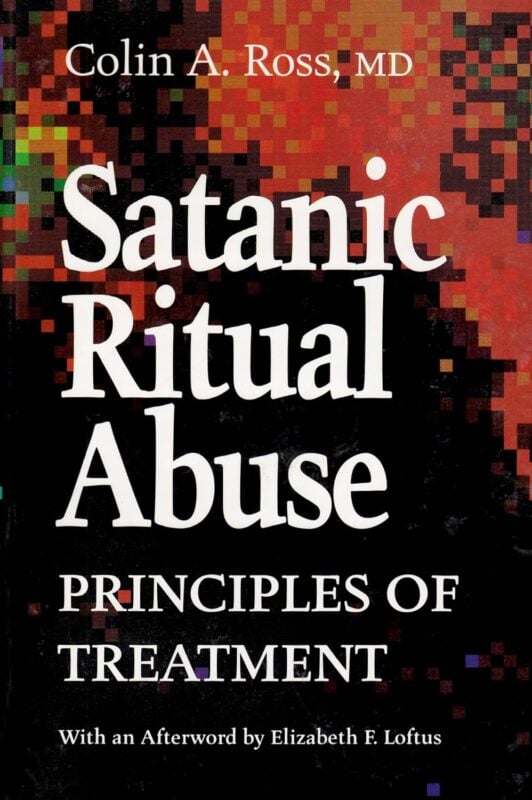
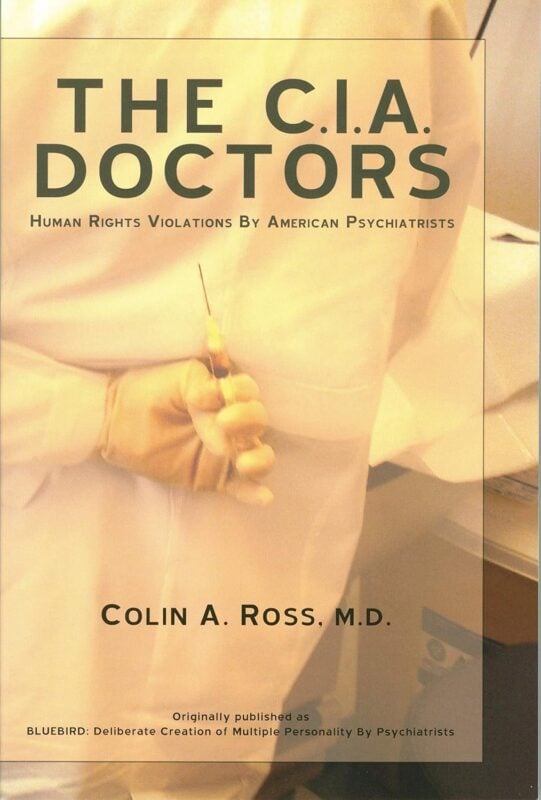
Colin A. Ross constructs a clinical framework around the controversial and psychologically complex topic of satanic ritual abuse (SRA), advancing a model rooted in trauma theory, dissociation, and therapeutic boundaries. Drawing from firsthand casework and documented clinical patterns, Ross delineates a structured methodology that challenges conventional diagnostic skepticism and offers clear paths for therapeutic intervention.
Establishing Clinical Foundations
Ross asserts that SRA should be approached within the same diagnostic and therapeutic model as other forms of severe childhood trauma. The clinical presentation of SRA survivors often includes dissociative identity disorder (DID), complex PTSD, and comorbidities such as depression and anxiety. Instead of isolating SRA as a sui generis phenomenon, Ross integrates it into the established trauma-dissociation continuum. This choice stabilizes the clinical discourse and grounds treatment in reproducible, empirically traceable methods.
Therapists must engage with SRA clients through structured boundaries and sustained neutrality. Ross emphasizes that countertransference can destabilize therapy unless clinicians rigorously examine their own emotional responses. He proposes a tiered model of validation: affirming the emotional reality of the client while maintaining an agnostic position toward unverified ritual details.
Therapeutic Boundaries as Pillars of Treatment
Central to Ross’s treatment model is the disciplined maintenance of therapeutic boundaries. He details how therapists can unwittingly enable reenactments of abusive dynamics if they neglect role clarity or emotional neutrality. Boundaries do not denote emotional distance; rather, they signify a commitment to the client’s autonomy and narrative agency. Ross provides detailed scenarios in which therapists might be seduced into collusion with internal parts or manipulated by programmed behaviors, warning that such breaches replicate the power dynamics of ritual abuse.
He introduces a map of “therapeutic pitfalls” specific to SRA treatment: rescuing, disbelief, over-identification, and fascination. Each of these can skew the therapeutic alliance and exacerbate dissociation. By maintaining professional boundaries and focusing on client functionality, therapists can minimize iatrogenic complications.
Mapping Dissociation and Internal Structures
Ross introduces a hierarchical framework of dissociative structures often observed in SRA survivors. These internal systems include alters programmed for specific tasks—loyalty enforcement, secrecy, surveillance. Rather than attributing these systems to literal external programming by cults, Ross interprets them as trauma-organized dissociative adaptations. He underscores the need for non-confrontational integration work that allows for gradual reorganization of internal roles without coercion.
Therapists must learn to identify ritual cues and symbolic languages embedded in these systems. Ross outlines examples of trigger phrases, numerical codes, and symbolic colors used within ritual contexts. Understanding this internal language allows clinicians to anticipate self-harming behaviors or programmed sabotage attempts. He insists that decoding should be collaborative, with the client guiding interpretation rather than the therapist imposing speculative frameworks.
Confronting the Allegations Dilemma
Ross articulates the central clinical challenge in SRA cases: balancing belief in the survivor’s narrative with the absence of corroborative evidence. He critiques both outright dismissal and uncritical belief as clinically damaging. Instead, he proposes a clinical agnosticism grounded in validation of emotional truth and support for memory exploration within a safe therapeutic container.
He addresses the impact of public skepticism and media portrayal on both clients and therapists, warning that societal disbelief often mimics the invalidation survivors experienced in abusive settings. Ross encourages therapists to hold a position of ethical inquiry, remaining open to client disclosures without endorsing or rejecting specific claims.
Integration Over Revelation
Treatment progression does not prioritize memory recovery. Ross argues that the goal is not revelation of facts but restoration of psychological integrity. He situates integration as a process of functional synthesis rather than a forensic confirmation. Memory work, when it occurs, must emerge organically and under conditions of stability. He warns that premature memory excavation can destabilize clients and retraumatize them through uncontrolled flooding.
Ross emphasizes that integration entails building cooperative systems within the psyche. Alters need roles redefined, fears deconstructed, and trauma reprocessed. The therapist acts not as an interpreter of symbols or exposer of secrets but as a steady participant in the client’s reintegration process.
Therapist Role and Training
Ross devotes extended analysis to the therapist’s role, warning against sensationalism and personal agenda. He calls for formal training in dissociation, trauma theory, and ethical handling of recovered memory. Therapists must resist diagnostic inflation and the temptation to become saviors. Ross proposes supervision and peer consultation as essential mechanisms for therapist accountability.
In high-demand cases, he recommends team-based treatment models. Group therapy, when structured safely, can offer additional containment and reduce transference intensity. The therapeutic relationship remains the central healing factor but must be buttressed by multidisciplinary support.
Symbolism, Programming, and Ritual Schema
Ross presents a lexicon of ritual symbols and their psychological correlates, derived from both survivor accounts and comparative mythology. He defines programming not as supernatural indoctrination but as trauma-linked conditioning. Ritual elements serve as organizing metaphors within dissociative systems, encoding commands and loyalty structures. Therapeutic intervention involves the patient reinterpreting or deconstructing these symbols in safety.
He describes staged rituals as trauma theaters, where abuse narratives are inscribed in symbolic acts. These acts create fear-based compliance and disrupt ego development. By analyzing the structure of such rituals, therapists can trace trauma impacts on identity, memory encoding, and relational models.
Legal, Ethical, and Institutional Considerations
Ross addresses legal complexities, particularly the inadmissibility of recovered memories and potential for false memory allegations. He urges clinicians to keep detailed records, remain within the scope of practice, and avoid making forensic claims. Therapy is not an investigative tool. Ross affirms that clinician responsibility lies in treatment, not validation of historical accuracy.
Institutionally, he critiques mental health systems for underpreparing clinicians to handle complex trauma and dissociation. He advocates curriculum reform, continuing education, and integrated trauma care frameworks. Without these, clinicians remain vulnerable to professional burnout and ethical missteps.
Social Dynamics and Public Controversy
The cultural backdrop of SRA—the panic, denial, and media spectacle—reverberates within the therapy room. Ross navigates these tensions by reaffirming the primacy of the client’s lived psychological reality. Public discourse must not dictate clinical response. He challenges clinicians to think systemically, recognizing how cultural narratives can become internalized by both survivors and therapists.
Ross deconstructs the myth of the neutral observer. All therapeutic stances carry epistemic weight. By choosing to engage with the reality of ritual abuse as expressed by survivors, clinicians enact a form of ethical witness.
Treatment Outcomes and Long-Term Goals
Ross concludes with a trajectory for long-term recovery. Healing proceeds through cycles of stability, disclosure, integration, and reorientation. The endpoint is not erasure of trauma but acquisition of agency, coherence, and relational capacity. Clients reclaim time, rebuild identity, and redefine their presence in the world. The clinical role is neither to rescue nor expose but to facilitate durable internal alignment.
Therapeutic success unfolds in subtle shifts: reduction in dissociative episodes, increased emotional regulation, strengthened interpersonal bonds. Ross illustrates these outcomes through anonymized case vignettes, emphasizing the slow, recursive nature of deep trauma recovery.
A Clinician’s Call to Ethical Clarity
Ross’s work demands moral clarity, clinical discipline, and theoretical consistency. He offers a map, not an ideology. His emphasis on boundaries, symbolic literacy, and functional integration provides a sturdy architecture for working with survivors of alleged ritual abuse. Clinicians equipped with these tools can navigate the terrain of SRA with humility, rigor, and transformative compassion.


About the Book