Rockefeller Medicine Men: Medicine and Capitalism in America

Rockefeller Medicine Men by E. Richard Brown investigates the deep entanglement between the evolution of American medicine and the ascent of corporate capitalism during the late nineteenth and early twentieth centuries. The book examines how elites used philanthropic foundations as tools for restructuring health care, transforming it into a professionally controlled, technologically intensive system that serves economic imperatives rather than public health goals.
Philanthropy as Capital Strategy
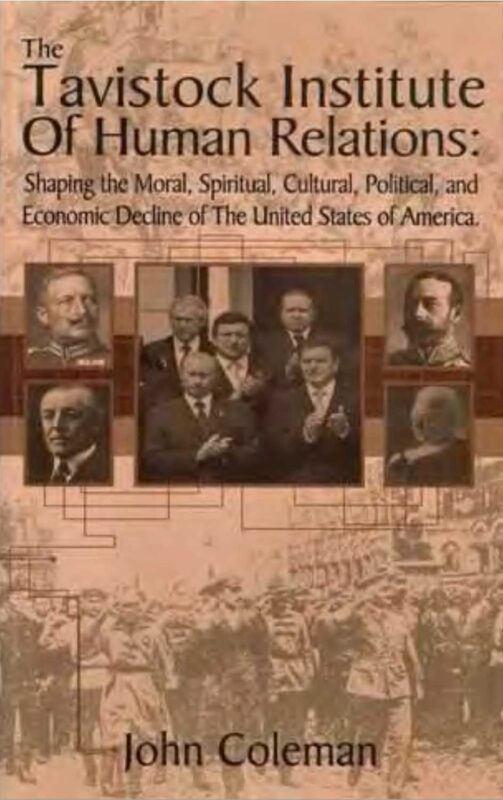
Industrial titans like John D. Rockefeller and Andrew Carnegie did not give to charity out of generosity. They developed foundations to safeguard their fortunes, stabilize capitalist society, and promote social forms that sustained their dominance. These foundations operated as strategic arms of corporate rationalization, funding institutions that reshaped medicine into a field of scientific professionalism. Strategic philanthropy transformed education, medicine, and social policy, using large-scale giving to build systems aligned with industrial capitalism.
Through the Rockefeller Foundation and General Education Board, these philanthropists directed vast sums—$129 million in Rockefeller’s case—into developing a medical infrastructure that mirrored corporate hierarchies and industrial discipline. The system emphasized elite control, specialization, and technological intervention. Hospitals, universities, and research centers became conduits for this restructuring. Foundations selected leaders, defined legitimate knowledge, and eliminated medical practices outside the scientific model, including homeopathy and sectarian medicine.
Medical Professionalization and Economic Discipline
The medical profession in the late nineteenth century occupied a fragmented, low-status position. Competing theories of disease and minimal technical effectiveness left physicians with little power. By leveraging the resources of corporate philanthropy, reformers like Abraham Flexner, working under the Carnegie Foundation, spearheaded a campaign to standardize and elevate medicine’s scientific image. Flexner’s 1910 report catalyzed the closure of inadequate schools and consolidated authority around elite institutions.
Physicians who aligned with this scientific vision gained access to prestige, resources, and control over licensure and accreditation. By the 1930s, medicine had become a tightly controlled domain, insulated from popular health movements and governed by professional associations like the American Medical Association. These organizations used the authority conferred by foundation-driven reforms to police medical education, restrict entry, and suppress alternatives.
Doctors rose rapidly in economic and social status. Their median income more than quintupled relative to the general workforce by the 1970s. But this ascent came with structural integration into the corporate system. Physicians increasingly became medical managers rather than independent practitioners. Hospitals, insurance systems, and technological platforms dictated care patterns. Professional autonomy narrowed into a managed role within institutional hierarchies.
Hospitals, Insurance, and the Logic of Centralization
Hospitals evolved from charitable refuges into capital-intensive centers of diagnostic and therapeutic technology. Their expansion was neither organic nor community-driven. Corporate and philanthropic interests engineered hospital growth as part of a strategy to centralize and control care delivery. The American Hospital Association became a critical actor, advancing the logic of hierarchical organization and standardized care protocols.
Insurance companies, particularly Blue Cross and Blue Shield, originated from collaborations between hospitals and medical societies. These financial intermediaries did not emerge to extend care; they served to stabilize revenue flows and enforce payment structures. The consolidation of funding mechanisms shifted health care decisions away from patients and physicians toward institutional payers.
Medical schools, embedded within this system, trained professionals to function within large, bureaucratic organizations. Foundations favored full-time faculty models, discouraging clinical autonomy and aligning academic medicine with research and administrative functions. The rise of full-time systems severed ties between education and community health needs, linking training to the demands of elite institutions.
State Power and the Extension of Private Logics
By the mid-twentieth century, the U.S. state adopted and amplified the strategies initiated by Rockefeller and Carnegie. Public expenditures expanded dramatically, particularly after World War II, channeling billions into medical research, hospital construction, and insurance subsidies. But these funds reinforced the priorities established by corporate philanthropy—technology, institutional expansion, and hierarchical organization.
Medicare and Medicaid, introduced in the 1960s, did not alter the structure of medical delivery. They subsidized existing institutions, feeding capital into a private system without imposing systemic accountability. Instead of democratizing care, public funding exacerbated cost inflation and stratified access. Technological investment flourished while preventive and primary care stagnated.
The state rationalized medicine without challenging its private character. Regulatory frameworks enabled insurance markets and hospital systems to grow under the banner of public interest. But administrative reforms failed to disrupt the fundamental organization of care, which remained anchored in corporate logics and professional monopolies.
Scientific Medicine and Ideological Function
Scientific medicine, as advanced by the Rockefeller strategy, functioned ideologically as well as technically. It displaced competing models of health, including environmental, social, and community-based frameworks. Medical science claimed neutrality, but its application reflected the interests of capital. It framed disease as individual dysfunction, obscuring systemic causes rooted in labor conditions, housing, or pollution.
This ideological function extended into medical education, where curricula emphasized biological mechanisms over social determinants. Students learned to diagnose and treat without questioning the political economy of health. The scientific framing of medicine justified resource allocation to technologies, specialties, and institutions that reinforced corporate priorities.
Foundations promoted this vision to legitimize capitalist development. They funded research on disease vectors and drug therapies, but avoided investment in sanitation, housing, or labor safety. Their objective was to enhance worker productivity and stabilize social unrest, not to democratize health or redistribute care.
The Medical-Industrial Complex
By the end of the twentieth century, the convergence of professional, corporate, and state interests produced a medical-industrial complex. Pharmaceutical companies, medical equipment manufacturers, hospital chains, and insurance conglomerates became central actors in shaping care. Doctors, once autonomous figures, entered employment relationships with these institutions or adapted to their administrative constraints.
Technology became the primary vector of growth. Diagnostic machines, surgical innovations, and pharmaceutical regimens drove investment, policy, and education. But the impact on population health lagged behind. Life expectancy gains plateaued. Health disparities widened. Preventive care remained underfunded. The promise of scientific medicine yielded inflated costs and uneven outcomes.
Medical technology absorbed public funds and political attention, diverting energy from structural health determinants. The complex framed its growth as progress, masking the declining marginal returns on investment in high-tech care. Patients experienced more procedures, more prescriptions, and more diagnoses, but seldom greater health security.
Crisis of Accessibility and Systemic Contradictions
Health care became increasingly inaccessible despite rising investment. The system excluded large swaths of the population, particularly the poor, uninsured, and rural. Medicaid offered minimal coverage. Clinics failed to appear where they were most needed. Long wait times and geographic imbalances deepened frustration across socioeconomic lines.
As costs soared, employers scaled back benefits. Insurance coverage fractured. Out-of-pocket spending rose. Even insured patients faced barriers. The logic of capital-intensive growth clashed with the need for equitable access. These contradictions produced political crises—demands for national health insurance, debates over universal coverage, and public anger at profiteering.
But proposed reforms recycled old strategies. They offered expanded coverage through existing systems rather than restructuring care delivery. They subsidized premiums without interrogating institutional inflation. The foundational structure, established by Rockefeller’s philanthropic vision, remained untouched.
Legacies of Control and the Future of Reform
The medical system reflects the values of its architects. Rockefeller and his peers embedded medicine within the machinery of corporate control. Their foundations reorganized knowledge, shaped institutions, and trained professionals to reproduce capitalist priorities. The result is a system that excels in precision and control, but falters in equity and effectiveness.
Reform requires more than expanding insurance. It demands a reexamination of how medicine serves society, how institutions allocate resources, and how knowledge defines care. The existing system, rationalized but unaccountable, cannot resolve its internal tensions. Any meaningful transformation must confront the legacies of control that have shaped medicine’s past and continue to define its future.