The Chemical Muse
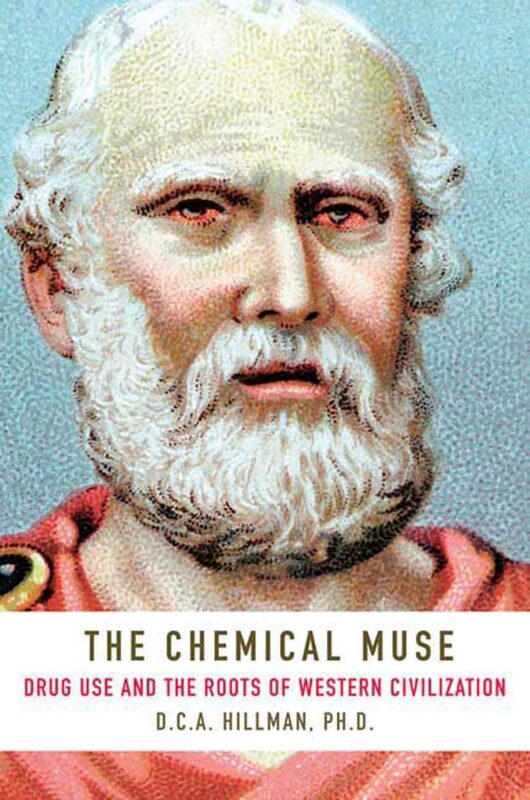
The Chemical Muse by D.C.A. Hillman, Ph.D. exposes the drug-infused roots of Western civilization by revealing how ancient Greeks and Romans incorporated narcotics, stimulants, and hallucinogens into medicine, mythology, philosophy, and governance.
Recreational Drugs as Cultural Foundation
Classical societies cultivated a practical and symbolic relationship with psychoactive substances. Farmers, aristocrats, physicians, and philosophers alike used opium poppies, ergot, belladonna, mushrooms, and cannabis to heal the body and expand the mind. Hillman presents abundant textual and archaeological evidence indicating that ancient cultures did not isolate drug use within narrow medical contexts. Instead, psychotropic substances shaped rituals, inspired literature, and guided spiritual practice.
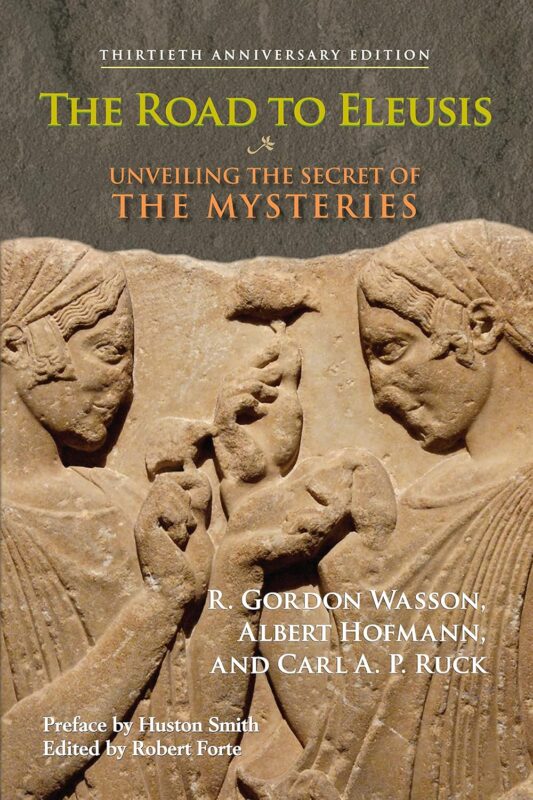
The Greeks worshiped deities who embodied intoxication. Dionysus, the god of wine and divine frenzy, presided over ecstatic rites involving substance-induced transcendence. Priestly rituals at sites like Eleusis involved kykeon, a barley-based brew containing psychoactive agents. These sacraments were central to public religious experience, framing altered states as divine communion rather than moral deviation.
Medicinal Botany and Experimental Science
Ancient medicine emerged from centuries of botanical trial and error. Greek and Roman physicians cataloged thousands of plants and minerals with pharmacological potential. Texts by Hippocrates, Dioscorides, and Galen detail ointments, tinctures, poultices, and decoctions prescribed for every conceivable ailment—from snakebites and fevers to insomnia and infertility.
The pharmacological scope extended into surgical practice, gynecology, and battlefield trauma. Drugs like mandrake, henbane, and poppy juice served as anesthetics, sedatives, and abortifacients. Hippocratic texts include recipes for contraceptive pessaries and emmenagogues. Roman encyclopedist Pliny the Elder described hundreds of pharmacologically active substances, blending empirical observation with folklore to document the breadth of ancient pharmacopoeia.
Myth, Magic, and Sorcery as Pharmacological Codes
Greek and Roman mythology encodes a rich pharmacological lexicon through narratives of witches, gods, and transformation. Circe and Medea did not merely symbolize evil or feminine mystique. They served as cultural archetypes of drug knowledge—adept in the preparation of elixirs that could sedate, transform, or destroy. These mythic figures reflect actual traditions of pharmacological sorcery and the societal prominence of drug practitioners.
Ritual specialists, often marginalized in modern readings as mere charlatans, held essential knowledge of dose, timing, and preparation. Their expertise influenced not only healing but also political intrigue and psychological manipulation. Their craft shaped perceptions of power, fear, and transcendence, linking medicine to mysticism and authority.
Drug-Inspired Literature and Artistic Consciousness
Ancient authors encoded pharmacological experience into their creative works. Hillman traces psychoactive themes through the epic poetry of Homer, the prophetic verse of Virgil, and the metamorphic imagination of Ovid. These writers deployed intoxication both literally and metaphorically to illustrate transformation, divine inspiration, and altered identity.
Literary narratives use the language of potions and poisons not as embellishment but as structural devices. The lotus-eaters in the Odyssey consume a flower that erases memory. Aeneas carries golden boughs through dreamlike underworld journeys guided by fumes. Metamorphoses weaves drug metaphors into its fabric of biological and psychological change.
Philosophy in an Altered State
Early Greek philosophers, including Pythagoras and Empedocles, pursued mystical enlightenment through strict asceticism paired with controlled drug use. The Eleusinian Mysteries offered initiates a psychotropic encounter with death and rebirth, thought to catalyze philosophical insight. Plato, though cloaked in abstraction, embedded ritual intoxication in his depiction of Socratic dialogues, including the Symposium.
Psychedelic experience shaped philosophical conceptions of the soul, cosmos, and ethical life. The division between body and spirit, the impermanence of perception, and the quest for eudaimonia arose from minds familiar with transcendent states. Drugs served as both metaphor and method for achieving philosophical clarity.
Governance and Democratic Consciousness
Athenian democracy developed in a society where drugs facilitated dialogue, leisure, and shared civic experience. Symposia—the drinking parties of philosophers and politicians—were not indulgent diversions but structured forums for rhetorical exchange under the influence of wine and other substances. These gatherings enabled philosophical debate, artistic inspiration, and political negotiation.
Public use of drugs reflected values of openness, expression, and equality. Hillman frames these civic rituals as foundational to the ideals of free speech and collective reasoning. Democratic consciousness, in this view, emerged from environments that embraced altered states as part of human dialogue rather than criminal behavior.
Rome's Political and Military Drug Culture
Roman society integrated pharmacological knowledge into military logistics, sexual politics, and domestic control. Soldiers used stimulants to sustain endurance and sedatives to manage injury. Statesmen used poisons as instruments of power. Women employed abortifacients to regulate fertility in a culture that oscillated between patriarchal control and sexual autonomy.
Roman authors documented drug scandals, imperial experiments, and medicinal espionage. Toxicology became a tool of governance. Legal codes reflected ambivalence toward drugs—not through moralistic prohibitions, but through careful regulation of access, potency, and intent.
Historical Amnesia and Academic Censorship
Hillman’s personal narrative reveals institutional resistance to acknowledging this drug-laden past. Academic gatekeepers rejected his dissertation chapters on Roman recreational drug use, prompting him to sanitize the record for approval. His experience exposes how modern scholarship imposes contemporary moral frameworks onto historical realities.
The rejection of drug histories stems from a reluctance to align foundational cultural figures with taboo behaviors. Yet suppression distorts the record. Hillman presents The Chemical Muse as a corrective—an insistence on confronting the evidence without filtering it through Victorian restraint or prohibitionist ideology.
Modern Implications of Ancient Intoxication
What happens when the cultural progenitors of science, democracy, and philosophy emerge as prolific drug users? Hillman suggests that drug prohibition represents a break with, not a continuation of, Western tradition. The modern war on drugs, with its incarceration regimes and punitive moralism, reverses the historical trajectory of open pharmacological exploration.
He argues that ancient intoxication produced innovation, tolerance, and creativity. Rather than weakening social structures, drugs in antiquity facilitated healing, ritual, and discourse. Modern societies, facing mental health crises and spiritual dissatisfaction, might rediscover therapeutic and imaginative pathways through this forgotten heritage.
Pharmacological Literacy as Cultural Competence
Reclaiming ancient drug culture demands more than academic acknowledgment. It requires reactivating a language of pharmacological literacy that has atrophied under modern suppression. Hillman calls for a revival of empirical exploration, guided by rigorous historical context and ethical awareness.
Understanding how the Greeks and Romans cultivated, prepared, and administered mind-altering substances offers more than antiquarian interest. It provides templates for integrating drugs into communal life, aesthetic experience, and philosophical inquiry. This knowledge empowers modern readers to rethink binaries of legality and morality, health and indulgence, science and spirituality.
Cultural Recovery Through Historical Precision
The Chemical Muse unfolds as a work of historical restoration. It assembles textual, archaeological, and medical evidence to reconstruct a complex, drug-literate civilization. Hillman does not speculate or romanticize. He translates the pharmacological data embedded in Classical texts into a coherent cultural system.
This recovered narrative demands structural recalibration of Western identity. It affirms that drug use did not represent cultural decay or marginal deviance. It formed the basis of artistic creation, social coherence, and intellectual expansion. The foundations of the modern world rise from minds altered by natural substances, rituals of transformation, and chemical epiphanies.