The Nazi Hydra in America: Suppressed History of a Century
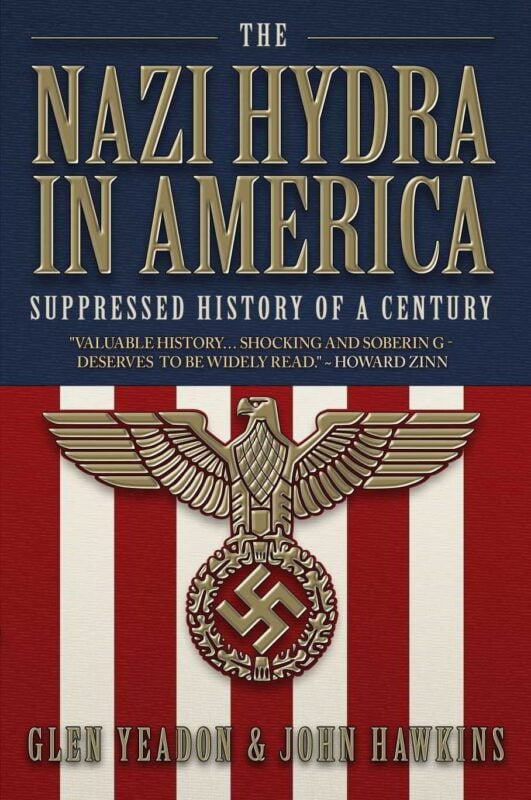
The Nazi Hydra in America by Glen Yeadon exposes how fascism took root within the structures of American power, documenting a century-long collaboration between Wall Street financiers, industrial magnates, and Nazi elites. Drawing from meticulously cited historical sources, the book reveals how corporate interests in the United States armed Adolf Hitler, enabled fascist regimes, and continued advancing authoritarian governance within U.S. borders long after World War II ended.
Fascism as a Top-Down Corporate Revolution
Yeadon defines fascism not as street-level rebellion but as an elite consolidation of power through corporate-state fusion. He aligns with Benito Mussolini’s assertion that fascism is corporatism. The book traces this ideology to American plutocrats who viewed the masses as expendable labor and democracy as a threat to financial hegemony. They manipulated state institutions, co-opted media, and infiltrated political parties to secure systemic control.
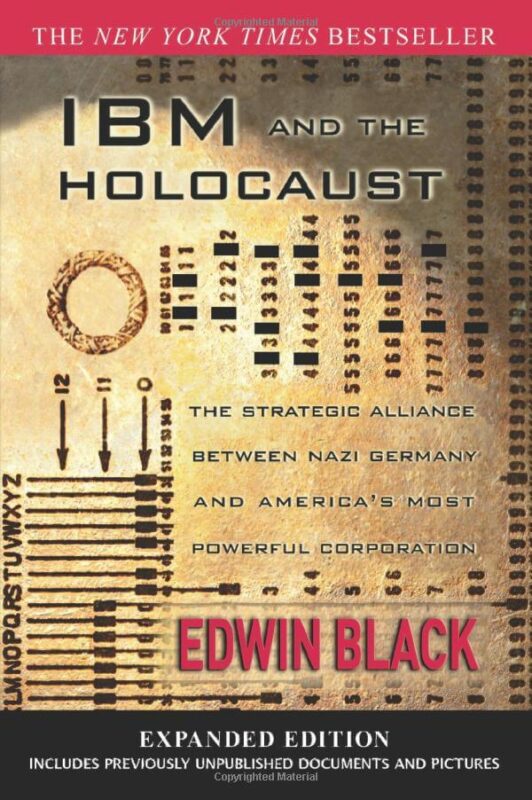
The author asserts that fascism in America emerged through the boardrooms of Standard Oil, General Electric, and IBM rather than through militant populism. These corporations not only maintained business relationships with the Third Reich during wartime but also shaped American policy to safeguard their global profits. The resulting structure protected corporate dominance by eroding civil liberties, criminalizing dissent, and replacing democratic checks with executive fiat.
Wall Street’s Direct Financial Support of Nazism
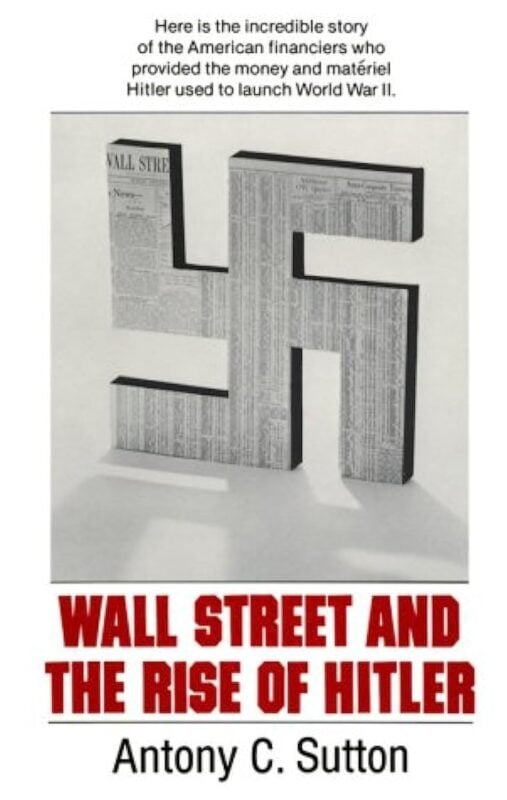
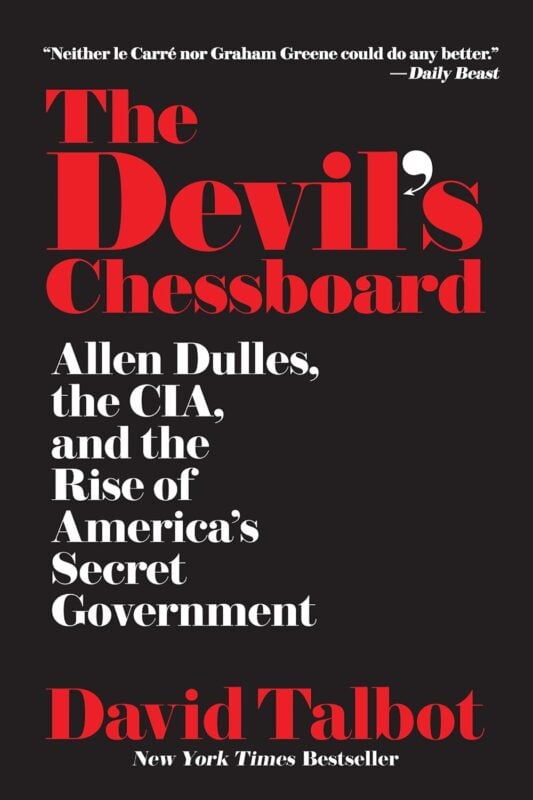
Brown Brothers Harriman, the investment bank where Prescott Bush was a partner, managed vast assets for Nazi-affiliated entities. The book documents how at least 23 companies associated with Bush were seized under the Trading with the Enemy Act. These seizures confirmed intentional collaboration, not inadvertent commerce. Yeadon names John Foster and Allen Dulles—Wall Street lawyers and later architects of Cold War intelligence—as key figures in shielding Nazi capital within U.S. financial institutions.
Through its legal work with IG Farben and other Nazi-linked conglomerates, the law firm Sullivan & Cromwell facilitated the maintenance of German industrial capacity even as war loomed. American banks funneled money, and industrial cartels ensured raw materials kept moving to Germany. These actions undercut Allied interests and prolonged the war.
Post-War Integration of Nazi Networks into U.S. Intelligence
The end of World War II did not terminate fascist influence. It decentralized it. Yeadon details how Operation Paperclip brought Nazi scientists and intelligence officers into the CIA and military-industrial complex. The objective was not justice but utility—harnessing Nazi expertise to fight communism and secure American geopolitical dominance.
This clandestine recruitment was aided by the Vatican ratlines and sympathetic power brokers in Washington. Key Nazi operatives found roles in defense, aerospace, and bio-research. The intelligence community became a staging ground for covert operations designed to dismantle leftist movements across Latin America, Asia, and Africa.
The Republican Party as a Political Conduit for Fascist Power
Yeadon highlights a strategic alliance between American fascists and the Republican Party, especially after the failed Business Plot to overthrow Franklin Roosevelt. Instead of open insurrection, fascists embedded themselves within political institutions. During the Cold War, the party embraced rhetoric equating liberalism with communism, deploying red-baiting tactics to suppress labor unions and civil rights advocacy.
The GOP’s ethnic outreach programs absorbed former Nazis and their sympathizers through organizations like the Republican Heritage Groups Council. Political operatives with ties to Nazi regimes contributed to campaign strategies, voter outreach, and policy development, pushing the party toward authoritarian corporatism.
The Bush Dynasty and the Institutionalization of Fascist Governance
The author provides detailed evidence linking three generations of the Bush family to fascist-aligned activities. Prescott Bush financially supported Hitler. George H. W. Bush advanced covert CIA operations in Latin America that toppled democratically elected governments. George W. Bush, as president, implemented domestic surveillance, indefinite detention, and preemptive war—all hallmark tactics of a police state.
Executive directives such as NSPD 51 gave the president unilateral authority to suspend constitutional government during an undefined emergency. The Department of Homeland Security built detention camps and stockpiled crowd-control weapons. Clergy Response Teams were organized to pacify the population during martial law. These measures were not theoretical—they were operational blueprints for regime consolidation.
Think Tanks, Academia, and the Engineering of Ideological Conformity
The University of Chicago’s economics department, funded by Rockefeller money, served as an incubator for neoliberal orthodoxy. Milton Friedman’s disciples exported deregulatory policies worldwide, resulting in economic collapse and authoritarianism in countries like Chile. Von Hayek’s “Road to Serfdom” laid the intellectual groundwork for replacing national sovereignty with corporate tribunals under NAFTA and the WTO.
Think tanks such as the Heritage Foundation, American Enterprise Institute, and Manhattan Institute emerged from these ideological lineages. They weaponized economic theory to dismantle welfare systems, suppress labor protections, and privatize public assets, effectively replacing democratic governance with managerial technocracy.
The Council on Foreign Relations and Media Domination
J.P. Morgan’s creation of the Council on Foreign Relations established a centralized apparatus to shape public discourse. By infiltrating journalism, academia, and policy circles, the CFR managed narratives that framed wars as humanitarian, trade as prosperity, and surveillance as security.
The CFR’s reach extended to newspapers, universities, and television networks. Key figures in government and business held dual roles within the organization, allowing a seamless transmission of policy across elite institutions. Media outlets functioned as amplifiers rather than interrogators of state power.
The Permanent War Economy and Resource Extraction
Yeadon identifies a clear convergence between the oil industry and American foreign policy. Cheney’s Energy Task Force linked war planning directly with resource mapping. Iraq and Venezuela became targets not through ideological conflict but through strategic interests in petroleum.
The military-industrial complex consumes vast portions of the federal budget, redirecting public wealth into private hands. Defense contracts, intelligence outsourcing, and overseas bases form the infrastructure of a permanent war economy. This economy thrives on instability and requires constant enemies.
Eugenics, Genetic Research, and the Continuity of Racial Ideology
The Rockefeller and Carnegie foundations funded Nazi eugenics programs before and during the Holocaust. Their support enabled research that later guided American sterilization laws and population control policies. After the war, this research shifted to genetic science under the human genome project.
Cold Springs Harbor, a former eugenics hub, remains a center of bio-research. Descendants of Nazi financiers and collaborators now oversee biotechnological initiatives capable of developing race-targeted weapons. The PNAC doctrine described such weapons as politically useful, reinforcing the continuity of racialized power structures under a scientific guise.
The Psychological Strategy of Fascist Indoctrination
Propaganda shapes obedience. Yeadon illustrates how Nazi methods—repetition, external threats, emotional appeals—now saturate American media. The Bush administration’s messaging post-9/11 mirrored Goebbels’ tactics. Fear justified surveillance, detention, and war. Dissent was equated with treason.
State loyalty was fused with religious identity. Government programs trained clergy to pacify dissenters. Schools promoted national myths. Movies and television glorified military force. Propaganda entered daily life through consumerism, entertainment, and compulsory patriotism.
Conclusion: A Systemic Convergence of Power, Secrecy, and Violence
The Nazi Hydra in America articulates a singular thesis: fascism did not die in Berlin—it metastasized through American finance, law, and policy. The convergence of Wall Street, intelligence agencies, and political dynasties built a system designed to protect capital through surveillance, war, and ideological control.
This convergence is observable through legislation, institutional continuity, and elite intermarriage. It manifests in detention centers, deregulated markets, privatized prisons, and endless conflict. The book calls for historical awareness, civic resistance, and a reassertion of constitutional governance grounded in popular sovereignty. The hydra has many heads—only sustained vigilance and organized opposition can sever them.


About the Book