Master of the Mysteries: New Revelations on the Life of Manly Palmer Hall
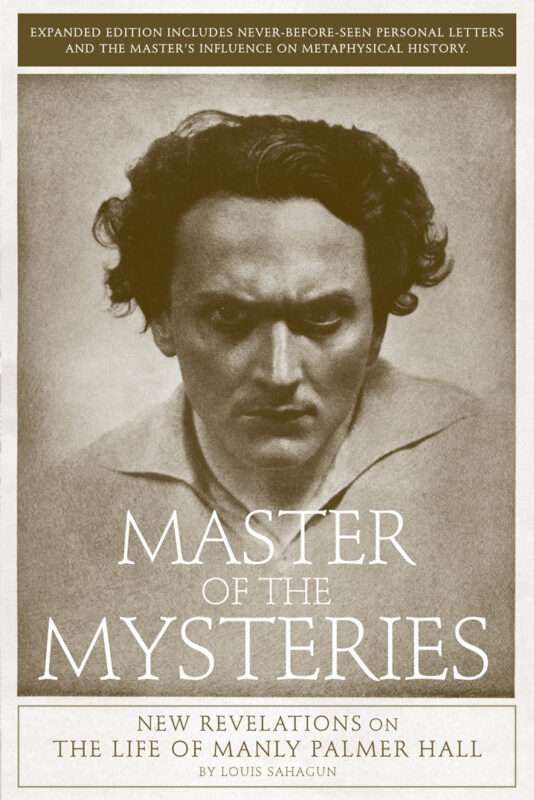
Master of the Mysteries: The Life of Manly Palmer Hall by Louis Sahagun chronicles the ascent, influence, and enigmatic end of one of America’s most prolific interpreters of mysticism and ancient wisdom traditions. Sahagun traces Hall’s journey from a turbulent Canadian childhood to the heart of Los Angeles’ spiritual revival, examining the structures of personality, cultural transformation, and the enduring power of esoteric thought.
Manly Palmer Hall and the Architecture of American Mysticism
In the crucible of early 20th-century Southern California, new spiritual movements competed for cultural legitimacy amid economic boom and social change. Hall, arriving in Los Angeles in 1919, confronted the psychic residue of old world beliefs and the electric charge of a city obsessed with reinvention. From his earliest days, Hall harnessed a rare blend of charisma, intellect, and theatrical presence. Audiences responded to the conviction in his delivery, the breadth of his reading, and his seemingly effortless command of arcane sources.
Hall approached ancient philosophies as living repositories of insight, refusing to segment knowledge by cultural or temporal boundary. He read Egyptian, Greek, Buddhist, and Christian sources as expressions of perennial truths—encoded in symbols, myths, and rituals. His lectures and early writings revealed a pattern: he absorbed complexity and distilled it into practical direction. As he matured into a public intellectual, Hall synthesized comparative religion, philosophy, and occult traditions, articulating a coherent metaphysical system for a generation craving meaning beyond material progress.
Building the Philosophical Research Society
Manly Hall’s vision demanded infrastructure. He conceived the Philosophical Research Society (PRS) as a hub for wisdom seekers, scholars, and the spiritually curious. With support from wealthy patrons and a burgeoning Los Angeles audience, Hall acquired rare manuscripts, artifacts, and art, assembling a library that rivaled the great collections of his era. The PRS complex, set against the hills near Griffith Park, offered lectures, publishing, and fellowship—creating a magnet for intellectuals, celebrities, and spiritual leaders.
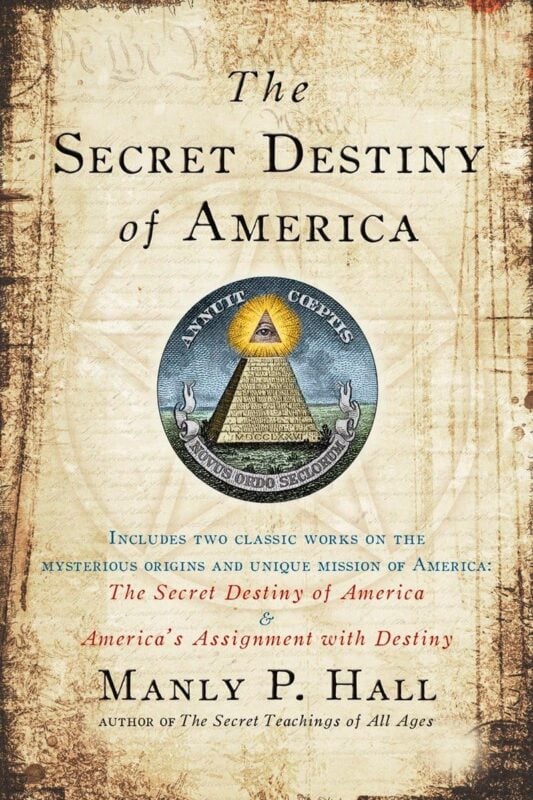
Within this environment, Hall published his magnum opus, The Secret Teachings of All Ages, in 1928. The volume, lavishly illustrated and meticulously produced, synthesized Masonic, Hermetic, Qabbalistic, and Rosicrucian traditions, positioning Hall as a preeminent scholar of esotericism. Its release catalyzed further interest in hidden traditions, secret societies, and the idea that spiritual transformation depends on decoding the mysteries woven into the fabric of civilization.
The Spiritual Marketplace of Los Angeles
Sahagun frames Hall’s ascent within a dynamic, experimental landscape. Los Angeles teemed with charismatic healers, utopian visionaries, and metaphysical entrepreneurs. Hall’s contemporaries included faith healers, theosophists, prosperity preachers, and self-styled magicians. Rather than retreat from competition, Hall defined his mission with increasing clarity: he sought to uplift the spiritual and ethical fabric of society. He lectured on reincarnation, the interconnectedness of all life, and the evolution of consciousness, continually urging his listeners toward self-discipline, ethical living, and an expansive view of humanity’s spiritual heritage.
His message resonated across lines of class and status. Artists, politicians, business leaders, and Hollywood icons attended his talks and sought his counsel. Through relationships with oil heiresses and other benefactors, Hall secured the resources to expand his outreach, fund research, and travel internationally, gathering new material for his ever-expanding body of work.
Personal Life, Relationships, and Internal Contradictions
Beneath the public persona, Sahagun uncovers the interior world of a man shaped by profound longing, insecurity, and conflict. Hall’s childhood—marked by abandonment, relocation, and the search for belonging—shaped his ambition and spiritual hunger. His relationships with women, particularly his marriages to Fay Bernice Hall and Marie Bauer Hall, exposed both the strengths and vulnerabilities of his character. The book recounts episodes of intense collaboration and affection, as well as episodes of bitterness, legal battles, and isolation.
Hall exhibited traits of the archetypal sage and the fragile seeker. He could inspire audiences with profound insight, then retreat into solitude, haunted by self-doubt and compulsive habits. Sahagun details Hall’s struggles with health, diet, and trust, and documents moments where Hall, eager for affirmation, engaged in behaviors that complicated his legacy. The biography refuses reduction, inviting readers to grapple with the full spectrum of Hall’s humanity.
Intellectual Legacy and Critique
Manly Palmer Hall’s output defies simple quantification: over 200 books, hundreds of essays, and more than 8,000 lectures attest to a ceaseless commitment to education and public engagement. He wielded a rare facility with sources, making ancient teachings accessible without diluting their complexity. His advocacy for the study of comparative religion, spiritual symbolism, and esoteric history anticipated later movements in holistic health, spiritual psychology, and even popular media’s fascination with the mystical.
Sahagun acknowledges the controversies surrounding Hall’s methodology. Critics challenged his selective use of evidence, lack of attribution, and at times speculative assertions about history and the nature of hidden wisdom. The biography recognizes that Hall borrowed liberally, but stresses his intention: Hall saw himself as a teacher, gathering wisdom not to dazzle with erudition, but to equip others to pursue transformation. His mission centered on bridging the ancient and the modern, awakening ethical action and self-knowledge.
Hall’s influence radiated outward, shaping generations of seekers, writers, filmmakers, and spiritual communities. His Los Angeles became a proving ground for a new kind of spiritual literacy, rooted in openness, curiosity, and the conviction that the deepest mysteries serve practical ends.
The Final Years and the Shadow of Mystery
In the book’s closing chapters, Sahagun traces the arc of Hall’s later life, as contradictions sharpened and new tensions surfaced. The story moves inexorably toward August 1990, when Hall, now a legendary figure in American spirituality, appeared for his final public address at the Scottish Rite Temple. Frail, yet commanding, he delivered a stirring call for moral and spiritual maturity in the coming millennium, addressing a room filled with Masonic dignitaries and longtime followers.
Within months, Hall’s life ended under circumstances that invite scrutiny and speculation. Sahagun investigates the events leading up to Hall’s death, including the sudden signing of a new will, the actions of his caretaker Daniel Fritz, and the immediate aftermath, when authorities and family members discovered evidence suggesting foul play. The Los Angeles Police Department launched a homicide investigation, and legal battles erupted over the control of Hall’s estate and the future of the Philosophical Research Society.
The unresolved questions surrounding Hall’s death add a layer of intrigue to his legacy. Sahagun interviews witnesses, family members, and law enforcement officials, constructing a detailed account of those turbulent days. The book leaves the case open, offering readers the evidence and inviting them to consider the implications for the study of spiritual authority, legacy, and human ambition.
Transforming American Spirituality
Through Hall’s life and teachings, Sahagun charts the evolution of a uniquely American mysticism. The convergence of occult scholarship, popular culture, and spiritual longing in 20th-century Los Angeles reflects the conditions under which new religious forms emerge. Hall’s story illuminates the interplay between personality and message, institution and inspiration, tradition and reinvention.
Sahagun’s biography demonstrates the ongoing relevance of Hall’s work. Interest in comparative religion, symbolism, and mystical traditions remains high, with new generations discovering Hall’s books and lectures. The Philosophical Research Society continues as a locus of inquiry, offering access to Hall’s archive and sustaining his legacy in the digital age.
The search for meaning, the hunger for wisdom, and the quest for community persist as defining features of the American religious landscape. Hall’s life embodies the creative tension between authority and openness, certainty and questioning, that characterizes enduring spiritual movements.
Concluding Reflections
Master of the Mysteries stands as a testament to the possibilities and perils of modern spiritual leadership. Hall’s achievements—in publishing, institution building, and public discourse—reshape the landscape of American esotericism. His failures and controversies serve as cautionary tales, illuminating the dangers of unchecked authority and the human costs of hero worship.
Sahagun, blending investigative rigor with narrative verve, constructs a vivid portrait of Hall’s impact on his followers, his city, and the broader culture. The biography asserts that wisdom traditions thrive when interpreted creatively, when leaders remain accountable, and when communities demand substance over spectacle.
What patterns emerge when individuals dedicate themselves to the lifelong pursuit of hidden truths? Where do ambition, charisma, and insight intersect with fallibility and desire? In the saga of Manly Palmer Hall, the boundaries between wisdom and delusion, inspiration and exploitation, shimmer with complexity and power. The story continues to unfold in the archives of the Philosophical Research Society, in the pages of Hall’s books, and in the restless curiosity of those who gather to decipher the mysteries he labored to unveil.