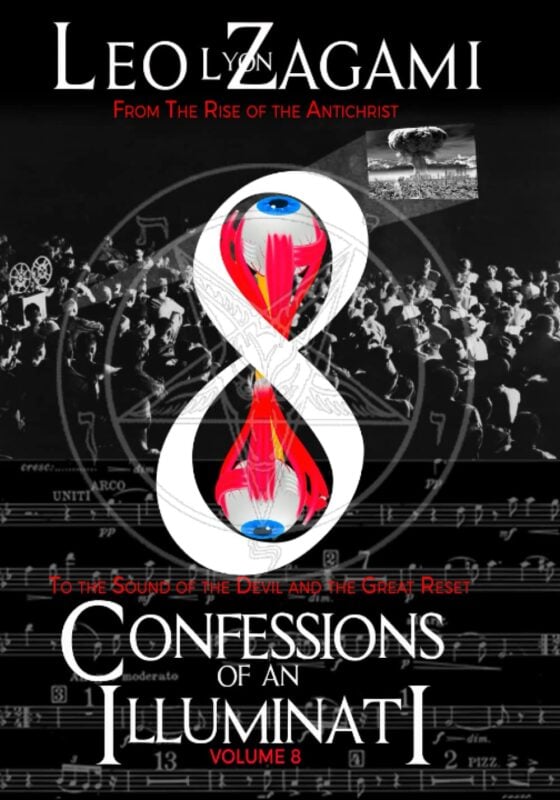
Confessions of an Illuminati, Volume II: The Time of Revelation and Tribulation Leading up to 2020
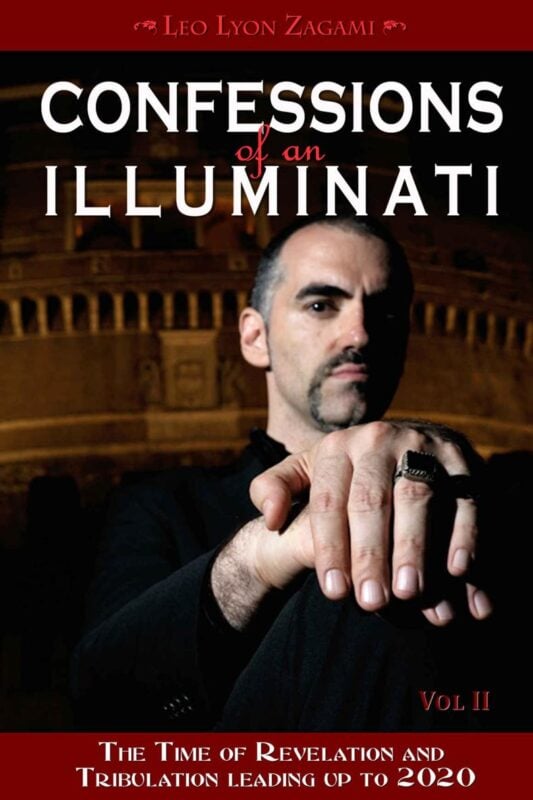
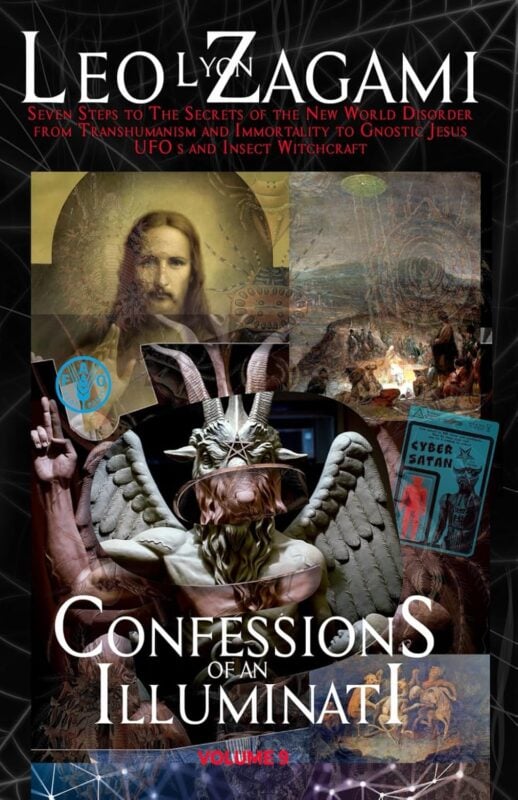
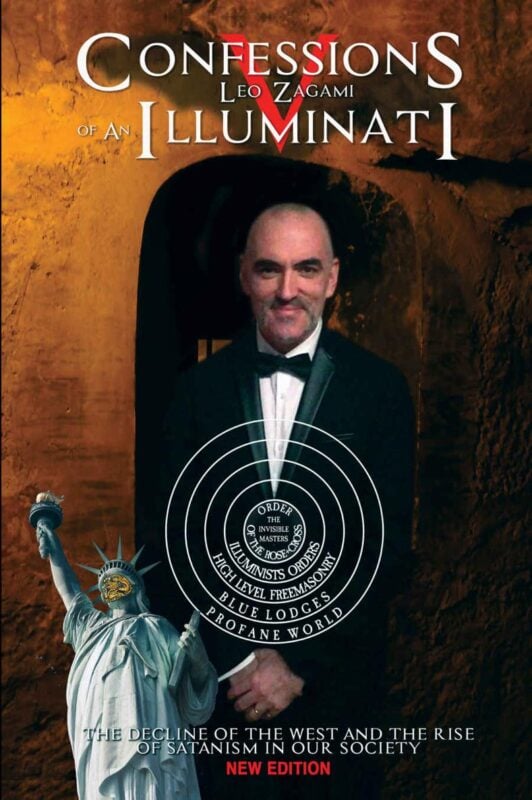
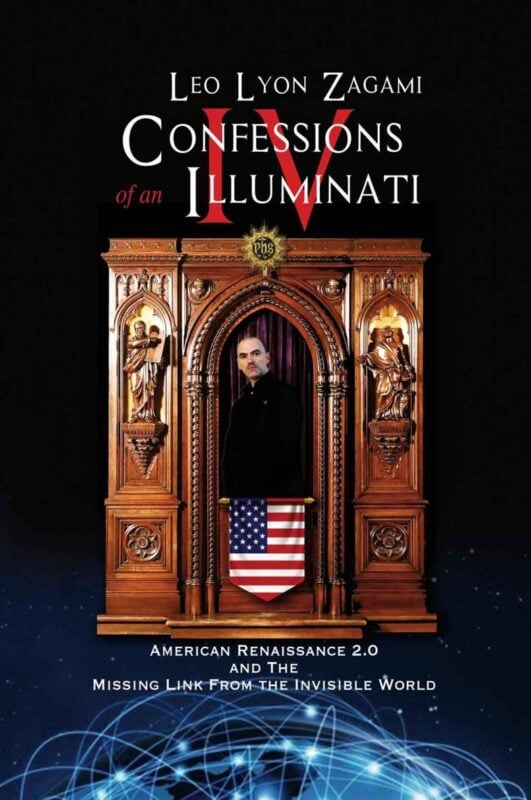
Confessions of an Illuminati, Volume II: The Time of Revelation and Tribulation Leading up to 2020 by Leo Lyon Zagami traces the intricate architecture of power networks shaping world affairs through the lens of secret societies, esoteric traditions, and global events. Zagami interweaves personal testimony, historical documentation, and geopolitical analysis to assert a vision of the modern era as a stage for the culmination of ancient designs and occult influences.
The Mechanics of Hidden Power
Secret societies function as parallel governments. Members of the Illuminati, Freemasonry, Jesuit orders, and affiliated elite networks operate with objectives that transcend national boundaries and party lines. These organizations maintain continuity across generations through ritual, symbolic transmission, and selective initiation. Power flows through structured hierarchies, protected by oaths and enforced by the logic of secrecy. Leadership directs resources, influences cultural production, and negotiates with state apparatuses, corporations, and religious institutions. The system’s durability derives from its adaptability: rituals evolve, language shifts, and public symbols recalibrate to local sensibilities, but the core logic persists.
Zagami’s narrative dissects this structure, drawing from his personal involvement in masonic orders and his interactions with influential actors within the Vatican, Hollywood, and international finance. He claims that these organizations do not merely respond to world events—they shape them, guiding outcomes in ways both subtle and overt. He outlines the operational logic of these groups, from the orchestration of political crises to the propagation of specific religious and philosophical ideas.
The Ritual Architecture of Global Control
Secret societies transmit their influence not only through political or economic mechanisms but through the conscious use of ritual and symbol. The rebuilding of the Temple of Solomon, a motif central to masonic legend, emerges in the book as a real-world objective tied to the pursuit of prophetic fulfillment and geopolitical dominance. Zagami describes how the planning and preparation for this project involve religious, scientific, and political actors working in concert. Architects, geneticists, artisans, and financiers collaborate to prepare for a temple that functions both as a physical structure and as a center for a new world order.
He investigates the history and present activity of the Temple Institute and similar organizations, documenting their efforts to revive priestly lineages, reconstruct ritual objects, and rehearse ancient rites. The logic behind these activities fuses spiritual aspiration with geopolitical calculation. The restoration of the Temple signifies a shift in global power, aligning prophetic expectations with concrete political strategies.
Astral Dimensions and Esoteric Practice
Zagami frames the core power of the Illuminati and affiliated networks as rooted in their manipulation of “astral dimensions.” He asserts that leaders within these societies conduct rituals designed to access and direct energies from non-physical realms. These operations reinforce collective will, shape group identity, and, according to the author, influence the psychological and spiritual development of society at large.
The concept of the Egregore, a collective spiritual entity generated by the focused intent of a group, serves as a key element in this theory. Zagami details the methods by which thought forms coalesce into tangible influence. He connects this process to the systematic use of media, education, and entertainment as tools for social engineering and mass hypnosis. Through careful deployment of symbols, narratives, and archetypes, these groups mold perceptions and channel the energies of millions toward objectives often concealed behind layers of allegory and ritual.
Interlocking Spheres of Influence
The reach of the Illuminati and other elite societies, according to Zagami, penetrates the world’s major religious institutions, banking cartels, and centers of political power. He maps out the intersection of interests among Zionist networks, Vatican operatives, British nobility, and the so-called “black nobility” of Europe. Through marriage, strategic alliance, and mutual support, these families and their associated organizations construct a resilient web that shapes everything from the selection of popes and presidents to the flow of capital and the conduct of covert operations.
Zagami draws attention to the role of the Rothschild family and British Zionism as anchors for the New World Order project. He chronicles their historical involvement in the creation of Israel and ongoing influence over the global financial system. The narrative weaves together episodes such as the manipulation of oil markets, currency crises, and technological innovation to show the integration of occult agendas and worldly ambition.
The Esoteric Roots of Modern Culture
Hollywood and the global entertainment industry emerge in the book as deliberate tools of psychological manipulation. Zagami traces the occult genealogy of film, music, and mass media, identifying the imprint of masonic and Illuminati symbolism in popular narratives and celebrity culture. He claims that key figures in the arts and media participate consciously in rituals that transmit and reinforce these symbols, thereby sustaining the collective egregore.
The book analyzes the role of psychedelic culture, the origins of modern Satanism, and the transformation of Hollywood into a center for initiatic propaganda. Through case studies of prominent artists, directors, and producers, Zagami exposes the recurring patterns of initiation, transgression, and symbolic inversion. He contends that these cultural products act as initiation rites for the masses, preparing society for deeper forms of social and spiritual transformation.
The Intersection of East and West
Chinese secret societies, particularly the Hongmen, Triads, and Zhi Gong Party, operate as powerful actors in the shifting landscape of the global order. Zagami examines their history, internal logic, and evolving relationship with Western elites. He presents evidence of collaboration and rivalry, describing how Chinese organizations pursue their own vision of world order while engaging with masonic and Illuminati networks.
Macau and Hong Kong serve as laboratories for this convergence. The book details the integration of Triad syndicates with international finance and casino empires, illustrating the fusion of criminal enterprise, political ambition, and spiritual doctrine. He outlines the historical role of the Jesuits in China, the legacy of martial arts lineages, and the strategic deployment of diaspora networks to extend influence across continents.
The Era of Tribulation and the Year 2020
Central to the book’s narrative arc is the claim that the years leading up to 2020 represent a period of revelation and tribulation—a convergence of crises, prophecies, and strategic maneuvers by elite actors. Zagami identifies specific signs and events: economic collapse, engineered wars, pandemics, and the unveiling of hidden technologies. He contends that these crises serve dual purposes: fulfilling the eschatological visions embedded in religious and masonic tradition and generating the conditions for radical restructuring of society.
He describes how underground bases, contingency plans, and population management schemes reflect elite preparations for cataclysm. According to the author, the “end times” is both a psychological operation and a realignment of spiritual and material realities. The approach of planetary catastrophes, as theorized by some secret societies, accelerates the drive toward centralized control and the institutionalization of a new social contract.
Zagami identifies specific agents and institutions as orchestrators of these processes. He documents meetings, alliances, and power struggles within the Vatican, between Freemasons and Jewish leaders, among Chinese elites, and inside Hollywood’s inner sanctums. The narrative foregrounds moments of decision and crisis, exposing the calculations and convictions driving key actors.
The Spiritual Battle and the Call for Awakening
Beneath the detailed mapping of organizations, rituals, and events runs a consistent thread: the assertion that the central conflict of the age is spiritual in nature. Zagami calls for a process of individual and collective purification—a conscious effort to lift the “veil of Maya” and see reality unobstructed by illusion, manipulation, or fear.
He describes the techniques of psychic defense, the cultivation of personal will, and the need to reconnect with authentic traditions. The book prescribes vigilance, discernment, and active engagement with the forces shaping society. Zagami emphasizes the power of informed resistance, advocating for a renaissance of conscience and a reassertion of personal sovereignty in the face of collective hypnosis.
He advances the thesis that the exposure of hidden power networks constitutes a precondition for meaningful change. Knowledge, when aligned with virtue and intention, becomes an instrument for transformation. As revelations accelerate and the tribulations of the era intensify, individuals and communities can seize the opportunity to reconstitute the social fabric on new foundations.
Legacy and Impact
Confessions of an Illuminati, Volume II stands as an ambitious synthesis of autobiography, investigative journalism, and esoteric exegesis. The book claims to bridge the gap between hidden history and public consciousness, equipping readers with tools to decode the symbolic language of power. Through the convergence of narrative testimony, archival research, and speculative analysis, Zagami constructs a panoramic vision of the modern world as the battleground for ancient forces.
The book’s detailed table of contents reflects its broad scope: from the origins of the Illuminati and Freemasonry, through the intricacies of synarchy and technocracy, to the prophetic resonance of events like 9/11 and the rise of the Antichrist archetype. Substantive chapters address racism in U.S. Freemasonry, the occult roots of the Mafia, the intersection of Zionism and Wahhabism, and the role of generational Satanism in elite circles.
By structuring the narrative through a succession of revelations—each linked to concrete events, personalities, and organizations—Zagami sustains narrative tension while inviting the reader into a process of critical inquiry. The claims, grounded in the author’s experience and extensive research, create a platform for further exploration of the mechanisms of power, the evolution of secret societies, and the unfolding destiny of the world.
Search engine users seeking authoritative, in-depth analysis of secret societies, global governance, and esoteric traditions will find this work a comprehensive resource. The text situates contemporary events within a matrix of occult history and prophetic expectation, offering a unique synthesis for those pursuing answers to the enigmas of the twenty-first century. What patterns become visible when one maps the intersecting currents of finance, ritual, culture, and conspiracy? What possibilities emerge when individuals move beyond passive consumption of history and participate in the conscious shaping of destiny? The book concludes by urging engagement, vigilance, and a commitment to the ongoing search for truth.


About the Book