The Palestine Laboratory: How Israel Exports the Technology of Occupation Around the World
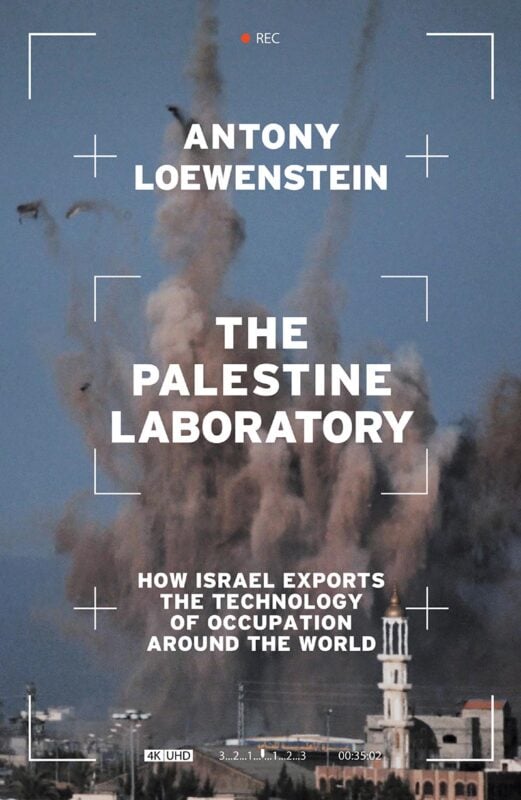
The Palestine Laboratory by Antony Loewenstein exposes the inner workings of Israel’s global influence through the export of occupation-tested weapons, surveillance technology, and control tactics. Loewenstein’s research uncovers a network that links the mechanics of Israeli domination in Palestine to a worldwide marketplace eager for the tools and strategies honed in a zone of permanent conflict. What emerges is a meticulously documented blueprint of how occupation becomes an engine for technological and ideological dissemination. The book traces Israel’s transformation from embattled statehood to preeminent exporter of high-tech repression, and interrogates the consequences for global democracy, human rights, and the spread of ethnonationalist politics.
The Making of the Palestine Laboratory
Israel forged its defense sector in the crucible of conflict, drawing from its foundational wars and decades-long control over Palestinian populations. Loewenstein details how military necessity spurred rapid technological innovation. Arms manufacturers like Elbit and IMI Systems developed weaponry and surveillance tools amid continuous occupation and resistance. Government policy prioritized technological advancement and sought export markets for “battle-tested” solutions. Israeli leaders openly cited these products’ proven effectiveness in controlling populations and preventing uprisings. The occupation functioned as both testing ground and marketing asset.
Battle-Tested as a Selling Point
Israeli companies explicitly leverage field experience in Palestinian territories to market their products. Promotional materials and demonstrations highlight how technology—drones, surveillance cameras, border control systems, facial recognition, and cyber-intrusion tools—operate under real-world conditions. Procurement officials, military delegations, and police forces from around the globe travel to Israel to witness these systems in action. Firms like NSO Group gained notoriety for Pegasus spyware, offering clients a proven ability to infiltrate mobile devices, citing its operational use in Israeli security campaigns.
Arms Trade Without Borders
Israel emerged as a top-ten arms exporter, selling to countries on every continent. Government approval processes greenlight deals with both democracies and autocracies. The Defense Ministry advances the doctrine that strategic or commercial interest outweighs other considerations. Israeli equipment surfaces in the hands of security forces accused of atrocities, including Latin American juntas, apartheid-era South Africa, and regimes implicated in ethnic cleansing and surveillance of dissidents. The arms trade forms a pillar of foreign policy, with weapons and expertise serving as currency in diplomatic and intelligence relationships.
Surveillance as Ideology
Technology firms based in Tel Aviv, Herzliya, and elsewhere churn out cyber tools capable of penetrating encrypted communication, monitoring populations, and suppressing dissent. Israeli-developed mass surveillance systems equip cities, borders, and telecommunications networks around the world. Governments purchase not only hardware and software but also training from former intelligence and special forces personnel. Loewenstein demonstrates how surveillance becomes both a commercial product and an ideological export—promoting the vision of security through total monitoring and rapid response.
From Local Control to Global Model
Israeli leaders position their country as the archetype of a modern security state. International forums, defense expos, and bilateral agreements create channels for disseminating Israeli tactics. Police chiefs, military strategists, and political figures from other nations regularly study Israeli techniques for riot control, intelligence gathering, crowd management, and counterterrorism. The “Israelification” of law enforcement gained momentum after 9/11, as American, European, and Asian agencies sought methods refined in decades of occupation and counterinsurgency. Training programs create lasting influence, aligning security cultures with Israeli doctrine.
Ethnonationalism and the Global Far-Right
Far-right parties, populist movements, and authoritarian leaders embrace Israel’s security paradigm as a model for their own national projects. Figures like Viktor Orbán, Narendra Modi, Jair Bolsonaro, and Donald Trump praise Israel’s border security and approach to minorities. Alt-right ideologues publicly state admiration for Israel’s capacity to maintain ethnonationalist policies in the face of international criticism. Israeli officials cultivate these relationships, exchanging strategies and reinforcing mutual perceptions of threat from outsiders or internal subversives. Loewenstein tracks how ethnonationalism gains legitimacy through association with Israeli “success.”
The Censorship of Dissent
Media, publishing, and academic institutions in Israel operate under a regime of pre-publication censorship for content related to national security. The Israeli Defense Forces’ chief military censor reviews material before release, redacting or suppressing information deemed sensitive. This system extends to international partners and shapes the global narrative on Israeli policy. Palestinian voices remain underrepresented in mainstream outlets, as Loewenstein’s data on op-ed publication in the New York Times and Washington Post reveals. The manufacture of consensus continues outside Israel through coordinated lobbying, information campaigns, and legal pressure against critics.
Economic Imperatives and Political Outcomes
The economic success of Israel’s defense sector entrenches political interests committed to continued occupation and militarization. Loewenstein’s interviews with insiders reveal how arms sales fund further innovation and political lobbying. The defense industry cultivates ties with both right-wing and centrist governments, protecting itself from shifts in electoral politics. The occupation supplies the raw data, operational feedback, and live “laboratory” conditions necessary for developing and refining technology. As exports climb, the sector becomes indispensable, both materially and ideologically, to the Israeli state.
Case Studies: Chile, South Africa, and Beyond
Loewenstein provides granular accounts of Israeli collaboration with repressive regimes. In Chile under Pinochet, Israel supplied arms, training, and crowd-control technology, circumventing U.S. embargoes and facilitating the dictatorship’s grip on power. In apartheid South Africa, military cooperation reached the highest levels, including nuclear research and joint exercises. Documentation shows that Israeli officials prioritized strategic alignment and commercial opportunity over human rights. These relationships extend into the present, with Israel partnering with governments in Azerbaijan, Myanmar, Rwanda, and other conflict zones, equipping forces accused of mass abuses.
Palestine as Laboratory
The Palestinian territories function as the original site for real-time testing and refinement of control technologies. Surveillance balloons, biometric databases, artificial intelligence for crowd analysis, and automated weapons systems first operate in the West Bank and Gaza before reaching export markets. Checkpoints, walls, and urban policing tactics provide environments where firms gather performance data and user feedback. The state encourages this symbiosis, offering access to operational theaters and regulatory protection for participating companies.
Diplomacy Through Espionage
Israeli foreign policy integrates espionage, surveillance, and arms deals as central tools. Officials refer to this approach as “espionage diplomacy,” using intelligence assets to broker deals, influence outcomes, and expand markets. Military and intelligence liaisons accompany diplomatic delegations, closing deals on surveillance software or arms shipments as part of broader geopolitical strategy. Countries seeking Israeli assistance view the relationship as a way to upgrade security infrastructure, suppress dissent, or gain favor in Washington through trilateral alliances.
Internal Debates, Public Silence
Voices inside Israel challenge the morality and strategic wisdom of the arms and security export industry. Journalists, activists, and human rights lawyers file lawsuits, demand transparency, and organize campaigns for accountability. The state responds with secrecy, legal barriers, and appeals to national security. Loewenstein narrates the Kafkaesque journeys of families seeking information about Israeli involvement in foreign atrocities, facing decades-long delays and bureaucratic stonewalling. Despite periodic public debate, the industry’s political and economic weight prevails, and systemic change remains elusive.
Global Consequences: The Spread of Surveillance and Repression
As countries adopt Israeli models, surveillance technology, and operational doctrine, Loewenstein maps a world trending toward militarized policing, shrinking civil liberties, and algorithmic governance. Pegasus and Cellebrite tools enable governments to hack journalists, activists, and political opponents. Police in U.S. cities deploy drones, predictive analytics, and riot gear developed in Jerusalem or Haifa. Border agencies in Europe install sensor systems modeled on the separation wall. The flow of technology from Palestine outward creates feedback loops: repression, innovation, marketing, and profit.
The Allure of the Model
What draws global demand for the “Palestine laboratory” approach? Loewenstein proposes that political leaders and security officials desire certainty, operational control, and the appearance of omniscience. The model promises rapid response, predictive analytics, and the minimization of risk from dissent. Political entrepreneurs transform these promises into ideology—asserting that security requires permanent vigilance, and that technology can substitute for the compromises of democracy or negotiation. The Israeli example demonstrates that states can maintain inequality and control while sustaining diplomatic and economic relations with the world’s most powerful actors.
Narrative Convergence: Occupation and Global Democracy
The export of occupation-tested technology and doctrine reverberates through democratic and authoritarian systems alike. As democratic satisfaction falls and trust in institutions erodes, leaders look to technology for legitimacy and solutions. Loewenstein links Israel’s rise as a security superpower to global trends of democratic backsliding, ethnonationalist politics, and growing surveillance capitalism. The convergence of these trends defines the trajectory of the twenty-first century, with Palestine as both origin and warning.
Toward Reckoning and Accountability
Loewenstein’s analysis demands a reckoning with the consequences of commodifying occupation and repression. He foregrounds the agency of Palestinians, activists, and dissidents who resist both domestically and abroad. The call for transparency, divestment, and human rights accountability confronts formidable opposition from powerful industries and entrenched interests. Yet the spread of the “Palestine laboratory” model signals that the stakes transcend national borders, affecting the architecture of power and freedom worldwide. The narrative’s arc bends toward the urgent question: What happens when the tools of occupation become the blueprint for the world? The Palestine Laboratory places that inquiry at the center of the global search for justice, democracy, and technological ethics.

About the Book