By Blood and Fire: July 22, 1946: The Attack On Jerusalem’s King David Hotel
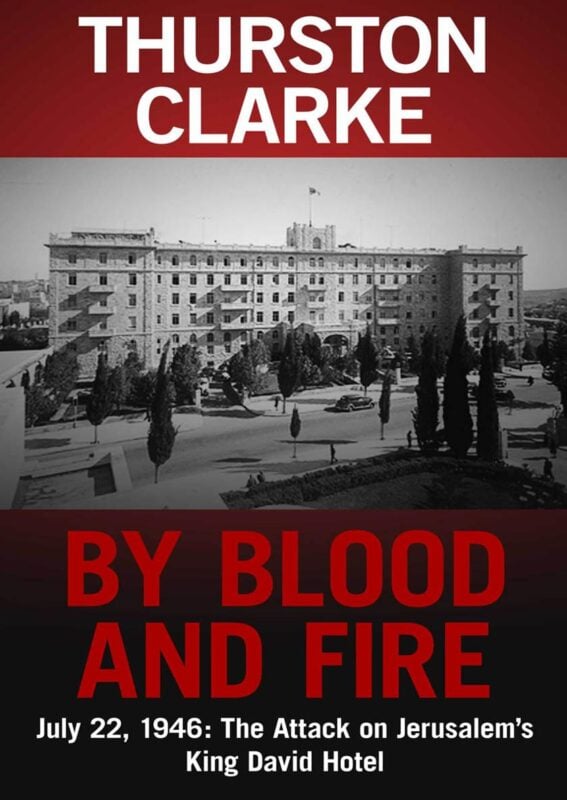
By Blood and Fire: July 22, 1946: The Attack on Jerusalem's King David Hotel by Thurston Clarke excavates the pivotal moment when Zionist insurgents struck at the heart of British authority in Mandatory Palestine, detonating explosives inside the King David Hotel and setting the stage for the end of British rule and the creation of Israel. Clarke reconstructs this act of political violence through archival evidence and personal testimony, tracing how it emerged from the conflict between imperial governance, Jewish nationalism, and post-Holocaust desperation.
Jerusalem Under Siege
Jerusalem in 1946 vibrated with instability. British rule staggered under the weight of conflicting obligations: to support a Jewish homeland under the Balfour Declaration and to placate an Arab majority fiercely opposed to Zionist expansion. British soldiers patrolled tense streets while immigration quotas denied Holocaust survivors access to Palestine. Clarke reveals how these policies incubated insurgent anger. The Irgun, led by Menachem Begin, plotted a symbolic strike not to protest, but to destabilize.
British administration occupied the King David Hotel’s southern wing. It was the de facto nerve center of power—housing offices of military command, intelligence operations, and civil bureaucracy. To the Irgun, the building embodied occupation. The attack required precision: they would target the “Secretariat” wing to ignite policy change, not indiscriminate chaos.
Planning for Detonation
Operation Chick, the Irgun’s codename for the bombing, began with infiltration. Members disguised as hotel workers and milkmen entered the hotel’s basement, smuggling in seven milk churns filled with 350 kilograms of explosives. Clarke renders the tension with urgency: every move risked exposure. Irgun commanders timed the detonation for lunch hour, assuming that casualties would be limited, and issued advance warnings.
The warnings failed. British authorities, doubting their authenticity or unwilling to evacuate, left the building occupied. At 12:37 PM, the explosion ripped through the hotel’s southern wing. The detonation killed 91 people—British, Arab, and Jewish civilians—and injured scores more. The blast buried government documents and collapsed floors into rubble.
Explosion and Aftermath
Clarke reconstructs the blast’s impact with forensic clarity. Dust clouds rolled across Jerusalem’s skyline. Shockwaves blew out windows across the city. Screams from the rubble testified to lives crushed beneath imperial inertia. Survivors described hearing a boom followed by silence, then the wails of the injured. Clarke contrasts their desperation with the calculated calm of the attackers, already retreating into the city’s alleys.
The British response was swift and brutal. Authorities rounded up thousands, imposing curfews and conducting mass searches. Detention camps filled with suspects. Yet the public relations war unraveled. Clarke shows how British press coverage focused on the loss of colonial prestige, while Zionist leaders framed the bombing as an act of war against unjust rule.
Menachem Begin’s Calculus
Clarke follows Menachem Begin’s ideological arc from Polish refugee to guerrilla commander. Begin believed in violent resistance as a moral necessity. He saw British policy as a blockade against Jewish survival. Clarke reveals how Begin’s intellectual formation in European nationalism combined with the trauma of Nazi genocide to form a doctrine of armed redemption.
Begin’s refusal to condemn the attack cemented his leadership in the Zionist right. He justified the bombing as a military action against an occupying power. Clarke captures Begin’s rhetoric: the Irgun had not attacked civilians, but British imperialism itself. Begin would later become Prime Minister of Israel, but the King David bombing remained his defining act of political origin.
Imperial Delusion and Strategic Collapse
The British Empire, though victorious in World War II, entered a phase of terminal decline. Clarke interlaces Jerusalem with broader geopolitical shifts: Britain’s fiscal crisis, American pressure to admit Holocaust survivors to Palestine, and rising anti-colonial movements. Palestine became a litmus test. Could imperial power survive nationalist insurgency in the age of liberation?
The King David bombing shattered the illusion. British control appeared vulnerable, even illegitimate. Clarke argues that the attack accelerated strategic withdrawal. It punctured the credibility of military occupation. Within two years, Britain would relinquish the Mandate. The United Nations voted for partition. War engulfed the land.
Moral Reckoning and Political Fallout
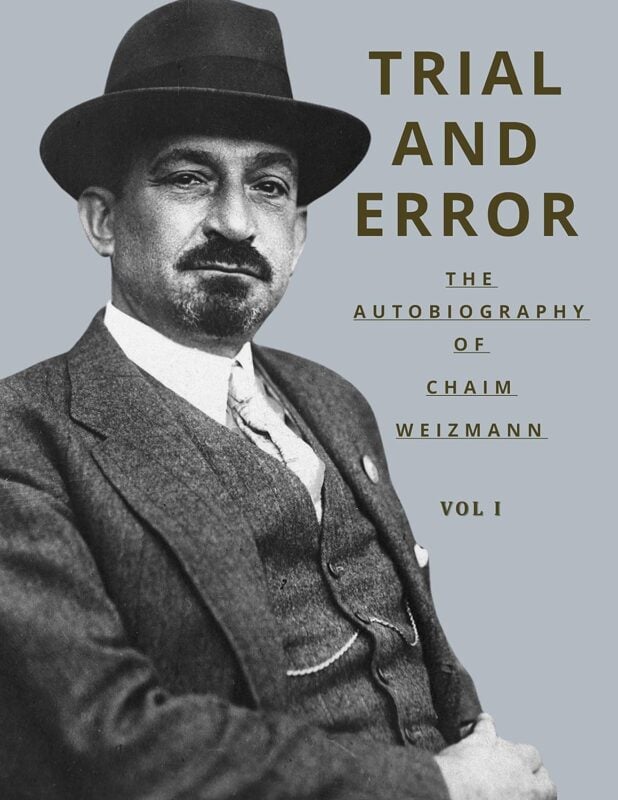
The morality of the attack split Jewish opinion. Chaim Weizmann, president of the World Zionist Organization, called the bombing a disaster. David Ben-Gurion condemned the Irgun as reckless. Yet Begin gained adherents. Clarke explores how the bombing exposed tensions within the Jewish community: between diplomacy and force, legality and insurgency, Zionism’s dual commitments to statehood and survival.
Clarke does not romanticize the violence. He tallies the dead. He records their names. He includes Arab porters, British clerks, Jewish typists. He presents the human cost of political calculus. The bombing may have advanced statehood, but it also buried the lives of innocents beneath its ideological architecture.
Narrative as Forensic Inquiry
Clarke’s style integrates oral history with archival excavation. Survivors, insurgents, and officials speak across time. Their recollections converge to reveal the event’s layered complexity. Was the attack terrorism or liberation? What does it mean to wage war for justice in a context of injustice?
The answers emerge from narrative, not doctrine. Clarke juxtaposes commanders who believed in their cause with hotel employees who died for their salaries. He lets contradictions remain unresolved, trusting that the reader will extract meaning from experience rather than polemic.
A Nation Born in Violence
The bombing of the King David Hotel forms part of the wider narrative of Israel’s formation. Clarke places the event within the continuum of revolt, war, and statecraft. The book’s final chapters follow survivors and attackers into the decades that followed. Some rose to political power. Others carried trauma. The hotel was rebuilt. The damage remained.
The architecture of Israel’s founding includes violence. The King David bombing imprinted that reality onto global consciousness. Clarke affirms that history, like the building itself, rests on layered foundations—some designed for protection, others for rupture.
The Historical Memory
Memorialization of the bombing remains contested. Plaques mark the spot with careful wording. Israeli leaders refer to the attack with guarded reverence. British accounts cite it as a turning point in imperial collapse. Clarke dissects the language of commemoration. He asks how a nation remembers an act that both repels and defines.
Historical memory, Clarke shows, operates through selection. What a society chooses to honor reflects its values. What it omits reveals its dissonance. In that gap lies the historian’s task: to reassemble fragments, to recover the whole, to tell what was done and why.
Legacy of Irgun and Postwar Zionism
Clarke draws a straight line from the King David attack to the emergence of Likud. Begin’s political descendants carried the ethos of insurgent nationalism into formal governance. The tactics changed, but the foundational belief endured: that survival requires sovereignty, and sovereignty requires power.
This legacy shapes Israeli politics. Clarke identifies the bombing as a fulcrum in Zionist history. The Irgun’s success in destabilizing British authority emboldened similar movements. It taught that symbolic targets can trigger political transformation.
Clarke’s Narrative Intervention
By Blood and Fire performs more than historical narration. It stages an inquiry into the dynamics of political violence, the costs of nationalism, and the fragility of imperial legitimacy. Clarke refuses to moralize. He documents. He interrogates. He holds the event up to light from many angles.
Through intimate testimony and precise detail, Clarke reveals the lived reality of history—its shock, its resolve, its pain. The book does not end in judgment. It culminates in recognition: the explosion at the King David Hotel changed the course of a people, and in that change lies the paradox of liberation born in fire.


About the Book