Zionism During the Holocaust: The Weaponisation of Memory in the Service of State and Nation
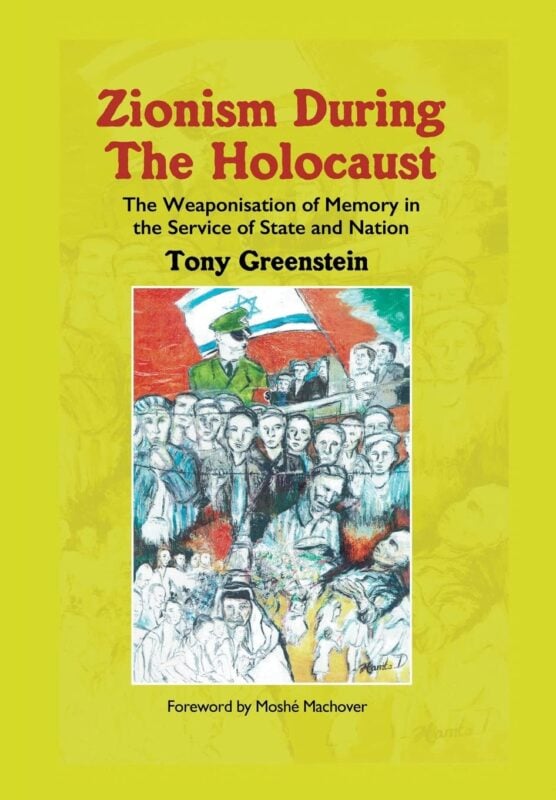
Zionism During the Holocaust: The Weaponisation of Memory in the Service of State and Nation by Tony Greenstein investigates how Zionist ideologues framed the Holocaust to legitimize Israeli state formation and silence anti-Zionist Jewish resistance.
The ideological origins of Zionism
The ideological structure of Zionism arose from a 19th-century context of racial nationalism, imperial ambition, and selective religious narrative. Political Zionism developed as a response to European anti-Semitism, but it absorbed and mirrored many of the era’s dominant racial ideologies. Theodor Herzl, influenced by nationalist politics and the rise of antisemitic sentiments in Europe, articulated a vision of Jewish nationhood grounded in territorial separation rather than civic integration. His Zionism posited Jews as a nation needing sovereign restoration, not as individuals seeking equality. Early Zionists rejected assimilation, arguing that Jews could never integrate fully into non-Jewish societies.
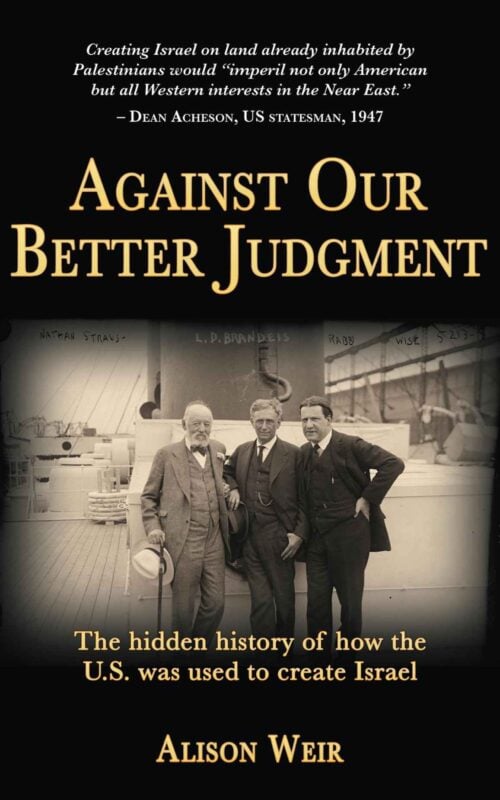
Christian Restorationists and European imperialists championed Zionist ideas long before Jewish thinkers codified them. Evangelical elites in Britain, seeking geopolitical footholds in the Ottoman East, promoted Jewish resettlement in Palestine as fulfillment of Biblical prophecy and imperial strategy. This convergence of religious, racial, and colonial logics embedded Zionism in structures of European dominance, positioning it to appeal to antisemitic leaders who viewed Jewish emigration as a social solution.
Zionism’s alignment with anti-Semitism
Zionist leaders argued that Jews could never be secure as minorities. They embraced the logic that Jewish distinctiveness—defined as racial, not simply religious—necessitated geographical separation. They did not contest the anti-Semitic portrayal of Jews as alien and disloyal; they validated it by asserting the impossibility of Jewish integration. This ideological convergence laid the foundation for their complex and often covert cooperation with European fascist regimes. Zionism did not emerge as resistance to antisemitism but as a movement that redirected antisemitic impulses toward territorial goals in Palestine.
Anti-Zionist resistance within Jewish communities
Most Jewish communities opposed Zionism before World War II. Reform rabbis in America rejected Zionist claims that Jews constituted a separate nation. Jewish socialists and communists, particularly in Eastern Europe, prioritized universal emancipation and class struggle. Religious leaders feared Zionism’s secularism and its reinterpretation of messianic doctrine. Within Germany, Zionists constituted a small minority. The Jewish mainstream, represented by groups such as the Centralverein, denounced racial nationalism and defended Jewish civil rights.
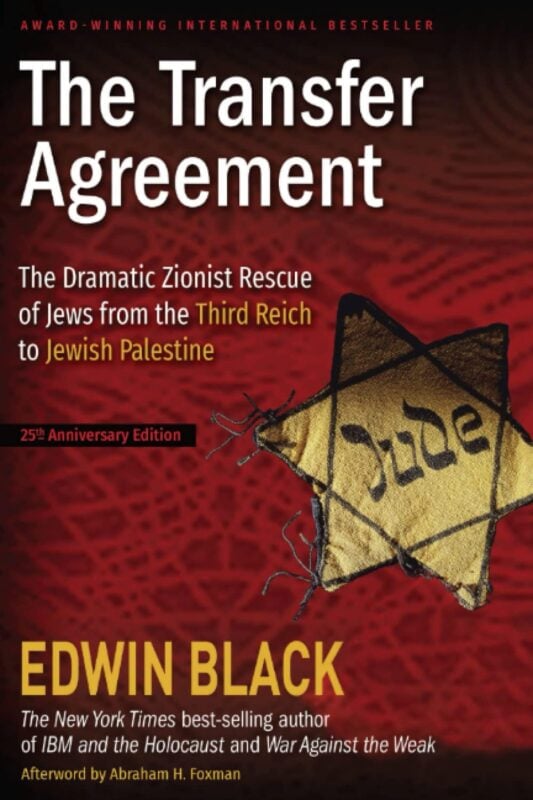
Zionist leaders positioned themselves as interlocutors between Nazi authorities and Jewish populations. They offered themselves as representatives of German Jewry, promoting emigration to Palestine as a shared interest. They entered into the Ha’avara Agreement with the Nazi regime, allowing Jewish property to be transferred through trade deals with Germany. This economic collaboration undermined international boycotts of Nazi goods and weakened anti-fascist solidarity.
Redefining collaboration
Greenstein draws a distinction between the coercive participation of Jewish councils (Judenrat) under Nazi occupation and the ideological and strategic choices made by Zionist leadership abroad. The Judenrat operated under extreme duress, attempting to mitigate violence and ensure survival. In contrast, Zionist leaders in Palestine and the West made political calculations that prioritized the establishment of a Jewish state over rescue efforts.
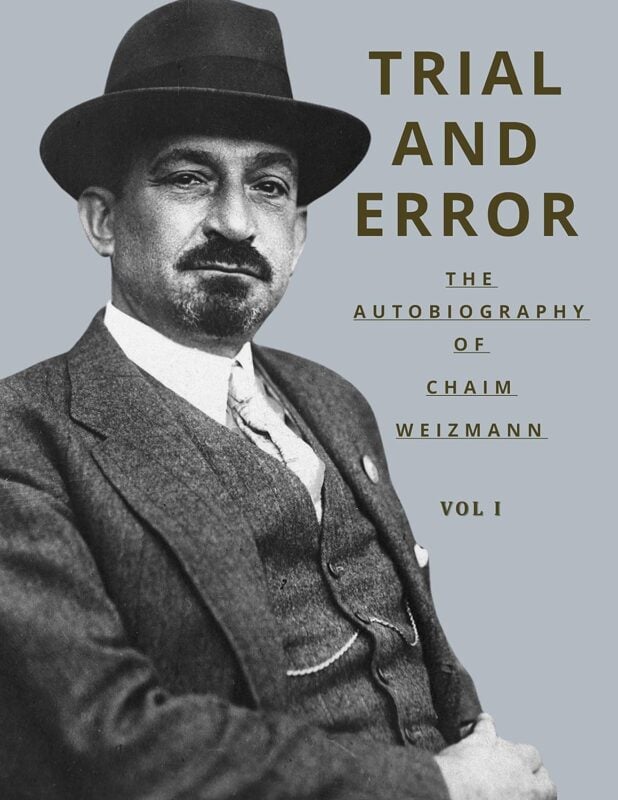
Chaim Weizmann and David Ben-Gurion, key Zionist figures, discouraged refugee schemes that did not funnel Jews into Palestine. Ben-Gurion insisted that Jewish Agency funds only support emigration to the Yishuv. The movement’s priority remained fixed on state-building rather than humanitarian relief. Greenstein reveals that Zionist institutions actively obstructed broader rescue operations that would have allowed Jews to resettle in countries outside Palestine.
Obstructing rescue and international indifference
As knowledge of the Nazi extermination program spread, Zionist leadership continued to suppress initiatives that diverted Jews from Palestine. Zionist emissaries downplayed atrocities in Europe to prevent disruption of political negotiations for statehood. Rudolf Kasztner, representing the Jewish Agency in Hungary, entered negotiations with Adolf Eichmann and concealed information about the Auschwitz Protocols from Hungarian Jews. His silence enabled the continuation of deportations. Kasztner later testified on behalf of Nazi officers after the war, attempting to preserve secret arrangements made during the Holocaust.
Western governments shared responsibility for inaction. The United States, Britain, and their allies maintained restrictive immigration quotas. The 1938 Evian Conference exposed their unwillingness to open borders for Jewish refugees. American Zionist leaders echoed this posture, fearing that successful resettlement elsewhere would weaken the argument for a Jewish state.
The Hungarian catastrophe and its concealment
In Hungary, Zionist officials aligned with Horthy’s regime and focused negotiations on select rescue operations rather than mass evacuation. The Joel Brand mission, which sought to exchange Jews for trucks, was both diplomatically naive and morally compromised. As deportations escalated, Zionist leaders in Budapest and abroad failed to raise alarms. They prioritized political capital with Allied governments over transparent communication. Greenstein argues that this complicity cost hundreds of thousands of lives.
Post-war efforts to control memory
After the war, Zionist institutions redefined Holocaust memory to consolidate state legitimacy. The Eichmann trial became a platform to reframe the narrative, elevating the role of Zionist figures while marginalizing socialist and communist Jewish resistance. Hannah Arendt’s critique of this process, particularly in her coverage of the trial, provoked intense backlash. Israeli memorial institutions such as Yad Vashem erased or downplayed the contributions of anti-Zionist fighters and emphasized narratives that aligned with state-building myths.
Yad Vashem constructed a hierarchy of victimhood that elevated Jewish suffering as unique and redemptive. It aligned historical recognition with political loyalty, privileging those who supported Zionist ideology. Survivors who questioned this narrative faced marginalization. Greenstein documents efforts to rewrite or suppress testimonies that challenged this version of events.
Weaponizing anti-Semitism
Greenstein details how Zionist discourse has shifted the definition of anti-Semitism to encompass opposition to Israeli policy. This redefinition aligns with global efforts to police criticism of Israel by equating it with racial hatred. Institutions such as the International Holocaust Remembrance Alliance promoted this framework, shielding Israeli policies from scrutiny. Political campaigns in Britain and the United States adopted this model to discredit critics of Zionism.
By casting anti-Zionism as inherently anti-Semitic, political movements on the Right have found rhetorical cover for alliances with Israel. Far-right leaders in Europe and America, including white supremacists, praise Israel’s ethno-nationalism while maintaining domestic hostility toward Jewish communities. Zionist leaders accept this support as strategic alignment.
State interests and global alliances
The Israeli state has cultivated partnerships with far-right regimes across Latin America, Eastern Europe, and Asia. Greenstein traces the country’s collaboration with Argentina’s military junta, which persecuted its own Jewish citizens. Israeli arms exports and intelligence-sharing arrangements reinforced these regimes. These alliances reflect the same logic that underpinned Zionist coordination with antisemitic powers during the Holocaust: state-building trumps diasporic solidarity.
In contemporary Israel, Holocaust education reinforces loyalty to state narratives. Curricula emphasize victimization and militarized redemption. Young Israelis are taught that survival depends on strength and separation, not integration. This pedagogy feeds cycles of fear, nationalism, and externalization of threat.
The convergence of history and ideology
Zionism During the Holocaust exposes the ideological structure that guided Zionist strategy before, during, and after the Nazi genocide. Greenstein presents historical episodes not as aberrations but as outcomes of a consistent political vision. This vision rejected assimilation, treated anti-Semitism as a given, and sought redemption through colonization. The movement’s central premise—that Jews must separate from non-Jews to survive—led to alliances with persecutors and indifference to the oppressed.
The book asserts that memory cannot serve liberation if it obeys political utility. It argues for a historical reckoning that acknowledges betrayal, complexity, and the cost of ideological purity. Greenstein demands that remembrance resist appropriation. His work calls for a democratic, secular future where memory honors resistance, not erasure.

About the Book