Confessions of an Illuminati, Volume III: Espionage, Templars and Satanism in the Shadows of the Vatican

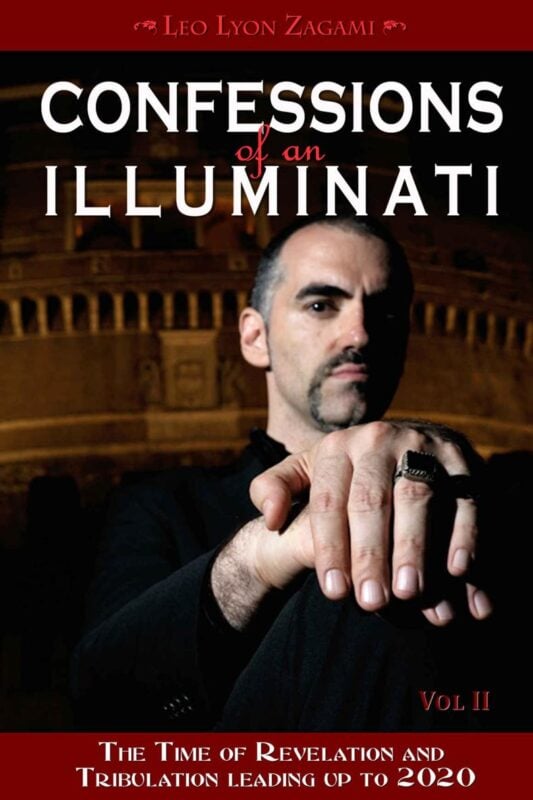
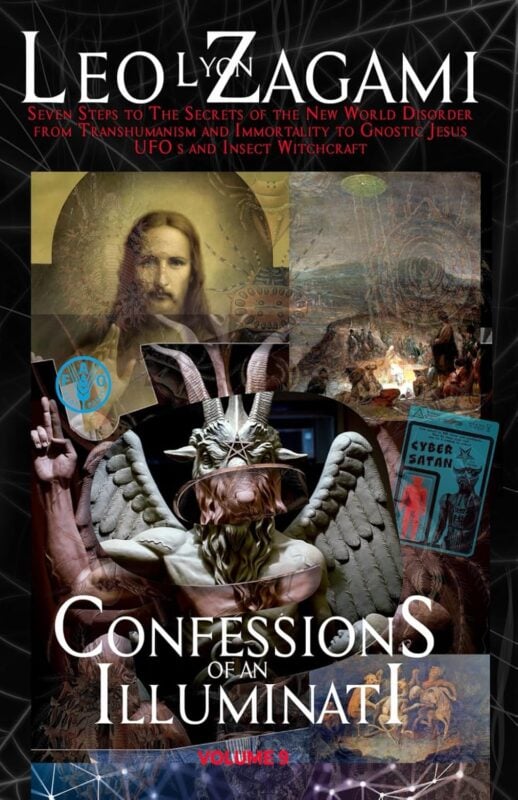
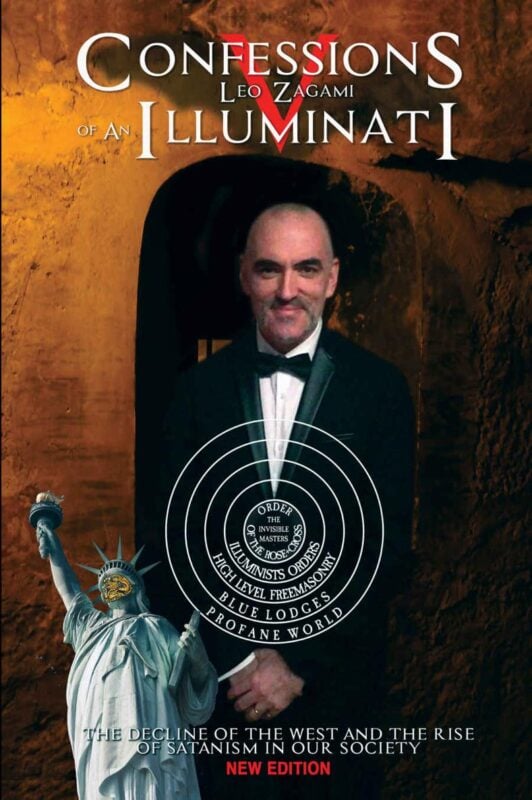
Confessions of an Illuminati, Volume III: Espionage, Templars and Satanism in the Shadows of the Vatican by Leo Lyon Zagami thrusts readers into a labyrinthine world where secret societies, arcane rituals, and covert power struggles converge with the machinery of the modern state and the institutions of faith. Zagami, leveraging both firsthand experience and rare internal documents, reveals the operational blueprints, spiritual worldviews, and historical continuities that define the Illuminati network and its influence on contemporary power structures.
Origins and Structures of Secret Societies
Secret societies persist through elaborate systems of secrecy, oaths, and ritual. Zagami opens with the theory and typology of these organizations, clarifying how they employ hidden forms, covert objectives, and hierarchical gradations to control both members and their external targets. Societies such as the Ordo Templi Orientis (O.T.O.), the Ancient and Mystical Order Rosæ Crucis (AMORC), and the Hermetic Brotherhood of the Golden Dawn establish their legitimacy through claims of ancient lineage, drawing their practices from the well of Egyptian, Atlantean, and Gnostic traditions. Hierarchies—constituted societies, affiliated groups, and so-called authentic societies—provide the scaffolding that supports both clandestine operations and the mystique that shrouds their actions. The concept of the egregore, or group consciousness, reinforces their unity, enabling these groups to exert psychic and social influence far beyond their apparent size.
From Atlantis to the Modern Age: The Arcane Legacy
The transmission of esoteric knowledge from legendary Atlantis and ancient Egypt, through Alexandria’s mystery schools and the Templar orders, forms the central historical thread in Zagami’s narrative. By embedding their rituals and symbols into the architecture of Freemasonry and the higher degrees of secret orders, these groups shape the internal worlds of their initiates. The story of Adam Weishaupt’s Bavarian Illuminati, the spread of Rosicrucian doctrine, and the integration of these currents into the Scottish Rite and other Masonic systems chart a course from ancient gnosis to the corridors of contemporary power.
Occult Espionage and Intelligence: The Mechanics of Manipulation
The convergence of occult knowledge and intelligence operations defines a key domain of Illuminati strategy. Zagami details how intelligence agencies—from the Vatican’s own network of spies to the CIA’s infamous MK-ULTRA project—have embraced both psychological warfare and esoteric techniques. The deployment of ritual, mind control drugs, and hypnosis in the service of statecraft blurs the boundaries between magical praxis and military strategy. Through the lens of occult espionage, the line separating the magician from the spy vanishes, and control over information—whether arcane or classified—becomes the ultimate currency of power.
The Vatican, Freemasonry, and the Shadow War for Spiritual Control
Within the ecclesiastical hierarchy, the infiltration and co-option of religious authority by secret societies engenders profound tension. Zagami documents how the Vatican, the Jesuits, and various Catholic orders intersect with Masonic and Illuminist currents. He traces scandals involving clergy, clandestine rituals, and competing claims of spiritual succession. The struggle to define spiritual legitimacy involves not just doctrine, but also direct contestation for the souls and allegiances of initiates. By mapping these clandestine exchanges—between the Ultra-Catholic Priory of Sion, the Kabbalistic Har Tzion Montesion Lodge, and the occult orders that operate in the Vatican’s shadow—the book unveils the spiritual stakes of the larger struggle for world influence.
Rituals, Initiations, and Magical Calendars
The inner workings of these societies revolve around ritualized structures, magical calendars, and secret ceremonies. Initiations such as those of the Memphis-Misraïm rite, the Golden Dawn, and the Gnostic Catholic Church involve elaborate oaths, symbols, and rites. Calendrical systems based on solar, lunar, and Sothic cycles root the groups’ activities in cosmic rhythms, reaffirming their belief in hidden harmonies that link the microcosm of the initiate to the macrocosm of the universe. Crowleyan Thelemic calendars, Egyptian cycles, and Masonic dating systems reinforce an insider’s sense of time and destiny.
MK-ULTRA and Military Occultism
Governmental adoption of occult and psychological techniques emerges as a recurring motif. Project MK-ULTRA’s use of LSD, mescaline, hypnosis, and black magic techniques created a toolkit for behavioral manipulation. The book catalogs sub-projects ranging from witchcraft studies in Africa to sleep learning and parapsychological warfare. Military and intelligence agencies contracted universities and researchers, often unknowingly, to refine these tools. In this fusion of state power and esoteric tradition, the Illuminati systemizes its control mechanisms, creating a continuum from mind control in experimental labs to mass manipulation in the public sphere.
Sexual Magic, Abuse, and Scandal
Within certain orders, the boundaries between ritual, sexuality, and transgression erode, giving rise to libertine practices and scandals. Zagami delves into the historical and contemporary expressions of sexual magic, tracing a lineage from Aleister Crowley’s Thelema to modern Gnostic and Voodoo-inflected organizations. The exposure of abuse and criminality, whether among clergy or within esoteric circles, punctuates the book’s warning that spiritual authority can mutate into a cover for exploitation. Public cases—such as the arrest of priests involved with esoteric sects or the perversion of religious symbols in ritual abuse—drive home the high cost of secrecy without accountability.
The Priory of Sion, Templars, and the Invisible College
Among the central players in the drama stand the Priory of Sion and the various Templar orders. Zagami explores the sacred numerology, historical myths, and actual intelligence operations associated with these groups. He charts the involvement of secret societies with NATO intelligence during the Cold War, the Rosicrucian symbol’s migration into the apparatus of the New World Order, and the transmission of magical symbols across generations. The concept of the “Invisible College”—a council of high-level Illuminati manipulating events from behind the scenes—infuses the narrative with both a sense of grand strategy and concrete historical interventions.
Conversations with the Illuminati: Testimony from the Inside
Zagami grounds his analysis with personal interviews and conversations with contemporary Illuminati, Templar Grand Masters, and figures connected to the Rosicrucian network. These dialogues illuminate the internal debates, schisms, and ambitions that animate the secret world. The interplay between occult philosophy and realpolitik emerges in stories of rivalries, betrayals, and collaborations across national and ideological lines. By opening these doors, Zagami transforms the book from theoretical exploration to a living record of ongoing clandestine action.
Elite Gatherings: Bohemian Grove and the Modern Ritual State
Elite gatherings such as the Bohemian Grove function as nodes where the rituals of power merge with social networking. The book investigates the history, iconography, and secret ceremonies practiced by these exclusive societies. Through their rites, members reaffirm both their status and their allegiance to the symbolic order that governs the Illuminati worldview. By documenting these gatherings, Zagami reveals the interplay between public image and private ritual among the world’s most influential figures.
UFOs, Preter-Human Intelligence, and Extradimensional Contact
The Illuminati’s interest in the paranormal extends to the study of UFOs, extradimensional entities, and psychic contact. Chapters devoted to the Typhonian Order, alien “Jinn,” and the UFO phenomenon situate the Illuminati network within a broader cosmological matrix. According to Zagami, certain rituals and magical practices facilitate contact with non-human intelligences, a theme that resonates with both historical accounts and contemporary conspiracy theories. By intertwining the quest for cosmic knowledge with the machinery of secret government projects, the narrative positions the Illuminati as intermediaries between worlds.
Communism, Transhumanism, and the Atlantean Roots of Control
The Illuminati’s ideological strategies encompass both the political and the metaphysical. Zagami examines the intersections of Communism, Christianity, and Luciferian transhumanism, arguing that occult elites leverage technological progress to push humanity toward a post-human future. The “Atlantean roots” of these ambitions reveal a belief in cycles of destruction and rebirth, where the chaos of the present moment signals the approach of a new order. In the arts, figures like Marina Abramovic exemplify the convergence of modern Satanism, performance, and occult symbology. This strategy aims to destabilize traditional forms, preparing the way for new patterns of governance and spiritual allegiance.
Neo-Templarism, New Nazism, and the Metapolitical Network
In the aftermath of the world wars, Neo-Templar groups and networks of the extreme right adapt the rituals and strategies of the Illuminati for political ends. Zagami traces the rise of Ur-Lodges, the infiltration of Turkey’s political sphere, and the resurgence of Nazi-occult alliances. Modern Islam and the Illuminati cross paths in contests for ideological hegemony. Tensions between fundamentalist and Illuminist factions generate cycles of violence and strategic chaos, fulfilling the Illuminati maxim “Ordo ab Chao”—order out of chaos. The rise of Templar fundamentalism becomes a metapolitical response to Islamic and secular movements, producing new confrontations and realignments across the geopolitical landscape.
The New World Order: Manipulation, Media, and Awakening
The concluding chapters synthesize the evidence and analysis into a call for awareness and resistance. Zagami asserts that secret societies, leveraging control over finance, media, religion, and state power, engineer the conditions for a New World Order. Through manipulation of symbols, technologies, and psychological triggers, these groups shape collective consciousness. The proliferation of information online, even as it creates confusion and distraction, opens a narrow window for public awakening. Zagami urges readers to seek authentic knowledge, scrutinize official narratives, and disrupt the cycles of ignorance that empower hidden elites.
Action, Agency, and the Path Forward
Readers encounter not a tale of fatalism but a summons to action. Knowledge of the structures, rituals, and strategies of secret societies enables individuals to reclaim agency. By decoding the symbology, tracking the convergences between spiritual, political, and technological domains, and exposing the operations of elite networks, ordinary people can undermine the foundations of occult governance. The book positions transparency and critical inquiry as essential tools in the ongoing struggle for autonomy and dignity.
SEO and Relevance
Confessions of an Illuminati, Volume III by Leo Lyon Zagami delivers a powerful synthesis of investigative journalism, insider testimony, and esoteric analysis. Researchers, seekers, and truth-tellers find in its pages a roadmap to the inner workings of the Illuminati, the Vatican’s shadow world, and the structures of contemporary power. The book’s strategic exploration of secret societies, occult rituals, mind control programs, and elite conspiracies positions it as a must-read resource for anyone investigating the New World Order, the history of Freemasonry, or the influence of occultism on modern institutions. Its search engine optimized focus on keywords—Illuminati, Vatican, secret societies, Freemasonry, occult rituals, New World Order, MK-ULTRA, Bohemian Grove, Templars, Priory of Sion, Rosicrucians, mind control—ensures maximum visibility for readers and researchers seeking actionable insights into the shadowy architecture of global power. The convergence of historical depth, contemporary relevance, and urgent warning defines its enduring appeal and impact.


About the Book