Blood in the Water: How the US and Israel Conspired to Ambush the USS Liberty
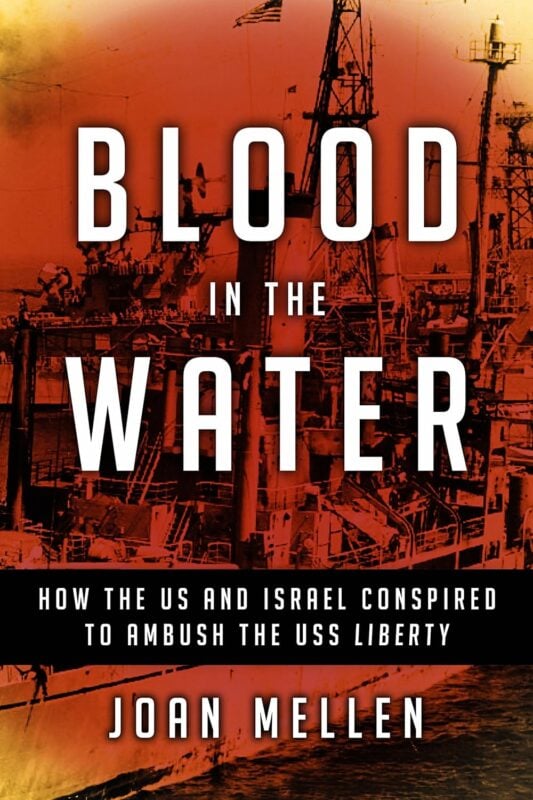
Blood in the Water: How the US and Israel Conspired to Ambush the USS Liberty by Joan Mellen investigates how the United States and Israel coordinated a covert operation to attack the USS Liberty on June 8, 1967, during the Six-Day War. Drawing from declassified documents, insider interviews, and agency memos, Mellen reconstructs the context, planning, and aftermath of an attack that killed 34 Americans and wounded 174. The event, long obscured by official narratives, reveals an alignment of military ambition, political self-interest, and intelligence manipulation.
The Target: USS Liberty
USS Liberty, an unarmed Navy intelligence ship, was operating in international waters off the Egyptian coast. It collected signals intelligence, primarily concerning Soviet and Arab military communications. On June 8, Israeli jets and torpedo boats attacked the vessel over a sustained period, disabling its communications, firing on survivors, and attempting to sink it. Israeli forces painted over identifying insignia, jamming Liberty’s distress frequencies. Survivors signaled surrender with raised hands and flags, yet the assault persisted. The goal: eliminate the crew, sink the ship, and leave no evidence.
Origins of Intent: Meir Amit and James Angleton
At the core of Mellen’s account stands a clandestine meeting in Tel Aviv. CIA station chief John Hadden met with Mossad director Meir Amit just weeks before the attack. Amit demanded assurance that the US would not obstruct an Israeli strike on Egypt. Hadden, attempting to stall, remarked sarcastically that if Egypt attacked first—perhaps even firing on a ship—the US could justify intervention. This comment, meant to delay war, was seized as pretext. Amit reversed the premise. If Israel struck an American ship and blamed Egypt, the United States could be drawn directly into conflict.
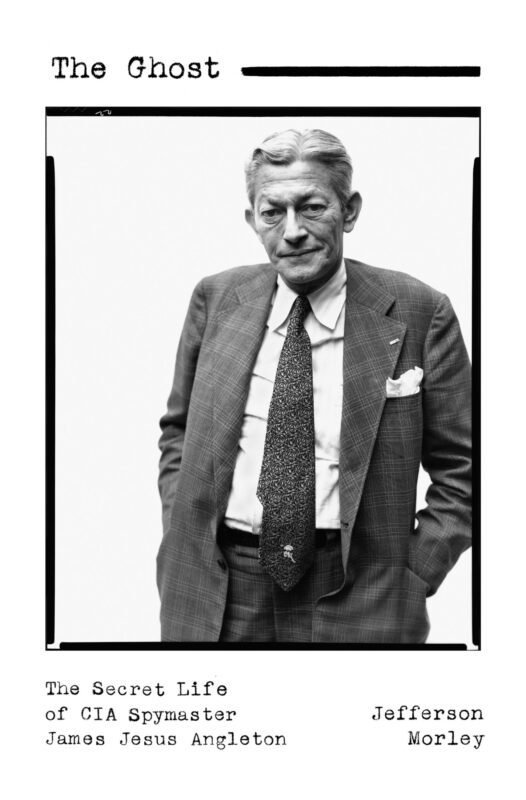
Amit had close ties to James Jesus Angleton, CIA counterintelligence chief, who operated with extreme autonomy. Angleton’s alignment with Israeli intelligence extended back decades. He supported Mossad’s nuclear ambitions, downplayed Dimona’s weapons program, and maneuvered US foreign policy to enable Israeli objectives. This structural alliance between US counterintelligence and Israeli defense strategy formed the operational bridge that allowed an attack on a US ship to proceed with internal approval and eventual cover-up.
The War Objective: Toppling Nasser
The Liberty incident served a broader strategic agenda. At the time, Egyptian President Gamal Abdel Nasser posed a political and ideological threat to US and Israeli interests. Nasser rejected Western hegemony, supported nonaligned movements, and opposed Israeli expansion. US and Israeli planners sought to weaken or eliminate him. Destroying the Liberty and blaming Egypt could justify bombing Cairo and decapitating Nasser’s leadership. The incident aligned with plans previously outlined in Operation Northwoods and the Gulf of Tonkin Resolution—historical precedents for using false flag attacks to justify war escalation.
Presidential Complicity: Lyndon Johnson’s Calculus
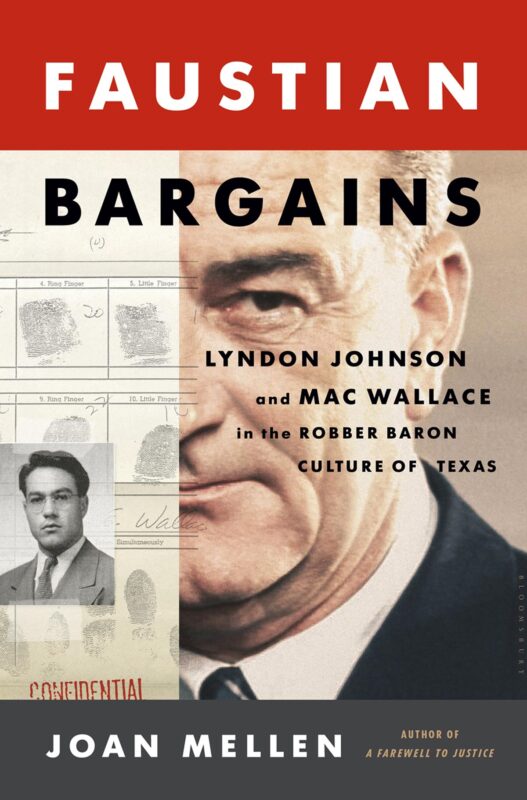
President Lyndon B. Johnson, facing domestic dissent over Vietnam, needed Jewish political and financial support for his reelection bid. He feared alienating pro-Israel constituencies if he confronted Tel Aviv. When informed of the Liberty’s distress, Johnson ordered planes from the USS America and USS Saratoga to stand down. According to Mellen’s sources, Johnson said he did not care if the ship sank and wanted no confrontation with Israel. This order delayed rescue efforts and enabled the attack to continue. Survivors were later ordered to remain silent, and their accounts were buried under layers of bureaucratic suppression.
Suppressing the Truth: From Navy to Media
Following the attack, the US Navy conducted a Court of Inquiry that lasted less than a week. It excluded key testimonies, accepted Israel’s explanation of mistaken identity, and sealed critical documents. Congress avoided hearings. Mainstream media echoed the official line. The survivors faced threats and were forced to sign non-disclosure agreements. Journalists who pursued the story encountered obstruction. Meanwhile, Mossad monitored and interfered with American publishing, alerting its operatives when works critical of Israel were in development.
The Nuclear Shadow: Dimona’s Role
The Liberty’s proximity to Dimona, Israel’s covert nuclear weapons facility, compounded tensions. The United States had long demanded inspections, which Israel obstructed. John F. Kennedy had pressured Israel to open Dimona to American review. After his assassination, US oversight waned. By 1967, Dimona produced nuclear warheads. Liberty was not gathering intelligence on Israel, yet Israeli planners feared accidental exposure. Amit and his allies saw the ship’s presence as a liability. Mellen suggests that destroying the Liberty secured both military and nuclear secrecy, while testing American political loyalty under crisis.
The Angleton Factor: Covert Warfare and Ideological Commitment
James Angleton, trained in OSS operations and experienced in psychological warfare, shaped the ideological landscape that justified the Liberty operation. He viewed Israel as a forward base for US power in the Middle East. He distrusted Arab nationalism and believed in a Cold War lens that framed the Soviet Union and its allies—including Egypt—as existential threats. Angleton’s authority within CIA, combined with his refusal to tolerate dissent, suppressed internal opposition. Director Richard Helms disapproved but lacked the structural leverage to prevent the operation.
Eyewitness Resistance: Hadden and the Survivors
John Hadden, though deeply embedded in the CIA, resisted the plan. He recognized the risks of nuclear proliferation and the long-term costs of subordinating US policy to Israeli interests. He warned superiors and attempted to delay war plans. Survivors of the Liberty—officers, sailors, and NSA personnel—continued for decades to demand full disclosure. Many, like Commander Dave Lewis, provided Mellen with detailed testimony and documentary evidence. These efforts built a body of knowledge that contradicted the official narrative and exposed inconsistencies in both Israeli and US accounts.
Narrative Control: Publishing and Academic Pressure
Throughout the postwar period, Israeli intelligence and its US allies worked to suppress critical literature. Former Mossad chief Efraim Halevy monitored American publishers and writers. Avner Cohen, who published works on Israel’s nuclear program, was involved in managing narratives. Books critical of the Liberty incident faced challenges in distribution and credibility. Mellen documents how even CIA veterans who tried to publish memoirs about the event encountered obstacles. The strategic goal: protect the legitimacy of the US-Israeli alliance and discredit alternative accounts.
The Political Legacy: Eroded Accountability
Blood in the Water tracks the enduring consequences of the Liberty attack. It reveals how institutional secrecy, ideological alignment, and executive interests converge to block accountability. Congressional oversight failed. Intelligence oversight collapsed. Presidential administrations—Democratic and Republican—maintained silence. The incident became a litmus test for loyalty to the Israeli alliance. The moral authority of US institutions declined as a result. The Liberty story offers a case study in how geopolitics, intelligence, and domestic politics can align to conceal violent deception.
Strategic Continuity: Precedents and Patterns
The attack on the Liberty fits within a broader historical pattern. In 1898, the USS Maine exploded in Havana harbor, providing a pretext for the Spanish-American War. In 1964, the Gulf of Tonkin incident enabled a massive escalation in Vietnam. Each case involved contested narratives, suppressed evidence, and strategic gain through fabricated justification. The Liberty operation continued this lineage. Mellen underscores how planning, execution, and narrative control coalesced to serve long-term goals at the expense of truth.
Geopolitical Consequences: Nuclearization and Realignment
After the Six-Day War, Israel consolidated territorial gains and advanced its nuclear arsenal. The United States deepened its military support, shifting from balanced diplomacy to strategic patronage. Arab regimes turned toward the Soviet Union or fell into internal instability. Nasser’s influence waned, and regional dynamics hardened. The Liberty incident marked a turning point in US policy. Intelligence and military institutions accepted the cost of American lives in exchange for strategic leverage. Mellen traces how these decisions shaped decades of Middle Eastern policy, from proxy wars to covert operations.
The Structural Argument
Blood in the Water asserts a coherent and traceable argument: the attack on the USS Liberty was planned, executed, and concealed through a joint operation involving Mossad, CIA leadership, and executive branch complicity. The strategic objectives—protecting nuclear secrecy, reshaping Middle Eastern power, and aligning US foreign policy with Israeli goals—drove the operation forward. Resistance came from individuals like Hadden and Liberty’s crew, but institutional forces prevailed. The legacy is visible in both the geopolitical consequences and the moral erosion of US political structures.

About the Book