Friendly Fire: The Secret War Between the Allies
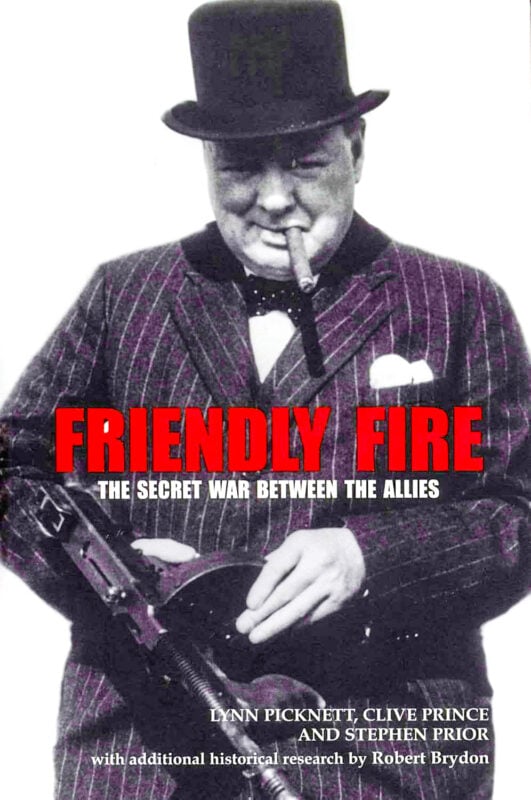
Friendly Fire: The Secret War Between the Allies by Lynn Picknett, Clive Prince, and Stephen Prior investigates the internal fractures of the Allied coalition during World War II, revealing how Britain, the United States, and the Soviet Union pursued conflicting agendas under the veneer of unity.
Churchill's Leverage and the Hess Gambit
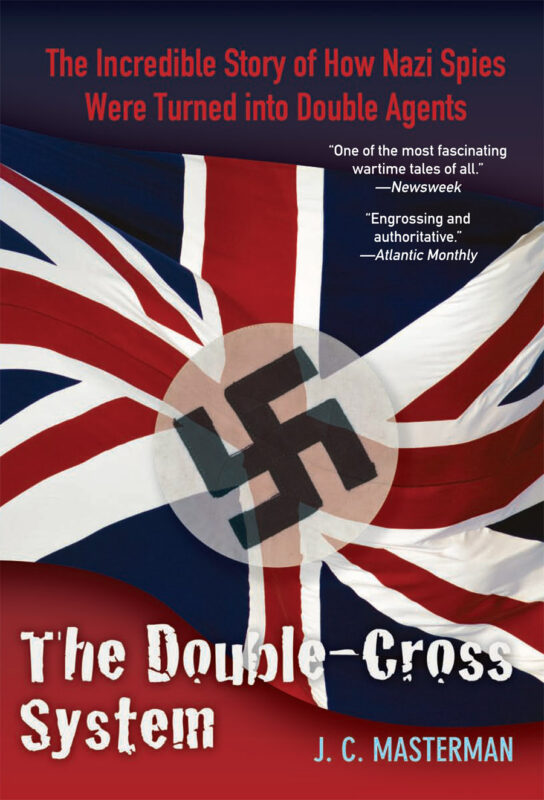
In May 1941, Rudolf Hess parachuted into Scotland carrying what he claimed was a peace proposal from Adolf Hitler. Churchill swiftly denied any significance to the event, framing it as the delusion of a rogue Nazi. Yet Hess’s arrival coincided with a profound shift in British wartime fortunes. Churchill exploited this episode to neutralize domestic opposition advocating peace with Germany, consolidate his leadership, and influence both enemy and ally.
By withholding Hess’s proposals from the War Cabinet and Parliament, Churchill maintained unilateral control over the narrative. The Hess mission, aimed at securing German dominance in Europe in exchange for British imperial sovereignty, aligned with prewar sentiments held by significant British factions, including members of the royal family and intelligence services. Churchill repurposed the failed overture as strategic theater. He allowed the illusion of negotiation to persist long enough to suggest Britain might exit the war, thereby steering Hitler to attack the Soviet Union instead.
Stalin watched with suspicion. Roosevelt watched with alarm.
Roosevelt’s Calculation and Economic Stakes
The American response to Hess’s capture revealed Roosevelt’s dual concern: sustaining Britain as a military buffer and preserving U.S. economic recovery through war-driven production. Congress had just passed the Lend-Lease Act. U.S. manufacturers were retooling for large-scale arms production. Rumors of British-German peace risked collapsing this fragile alignment between foreign policy and industrial momentum.
Churchill played his hand carefully. He fed Roosevelt selective information, suggesting that powerful British factions favored peace. Roosevelt, fearing Britain’s collapse or retreat, escalated U.S. material support. He expanded convoy protections and signaled deeper commitment. This shift was not rhetorical. It was operational.
The war’s economic underpinning shaped Roosevelt’s decisions. Wartime contracts drove U.S. industrial expansion. American banks and manufacturers depended on sustained conflict. A premature peace between Britain and Germany threatened financial contraction. Strategic necessity intertwined with economic incentive. Hess’s flight—ambiguous and suspicious—triggered a cascade of policy acceleration. The perception of potential peace carried more weight than its actual probability.
Soviet Anxiety and Allied Realignment
When Hitler invaded the USSR in June 1941, Stalin interpreted the delay as collusion. British silence about Hess’s mission compounded Soviet paranoia. Churchill’s real aim was to redirect Hitler’s aggression eastward. Stalin, wary but overextended, accepted British overtures for alliance. The USSR’s entry into the war transformed the conflict into a global convergence of three superpowers, but the underlying mistrust remained irreconcilable.
Churchill’s strategy hinged on the Soviet Union absorbing the Nazi assault. Britain lacked the resources for prolonged continental warfare. The Red Army became the primary line of resistance. In this schema, Roosevelt’s support of Britain enabled the USSR’s survival. The alliance masked a temporary geometry of necessity. Churchill aligned with Stalin to preserve Britain’s global position. Roosevelt aligned with both to ensure American ascendency.
The Fiction of Allied Unity
The public image of Allied solidarity obscured persistent antagonism. Churchill, Roosevelt, and Stalin shared no common vision for the postwar order. Each sought to emerge dominant. Churchill maneuvered to preserve Britain’s empire. Roosevelt aimed to dismantle imperial systems and establish American-led global capitalism. Stalin sought territorial expansion and ideological security.
These goals produced friction in military planning and diplomatic coordination. The Tehran, Yalta, and Potsdam conferences revealed the depth of divergence. Strategic decisions—such as opening a second front, partitioning Germany, and managing liberated territories—exposed irreconcilable interests. Each leader traded concessions for leverage, not consensus.
Intelligence Wars and Psychological Operations
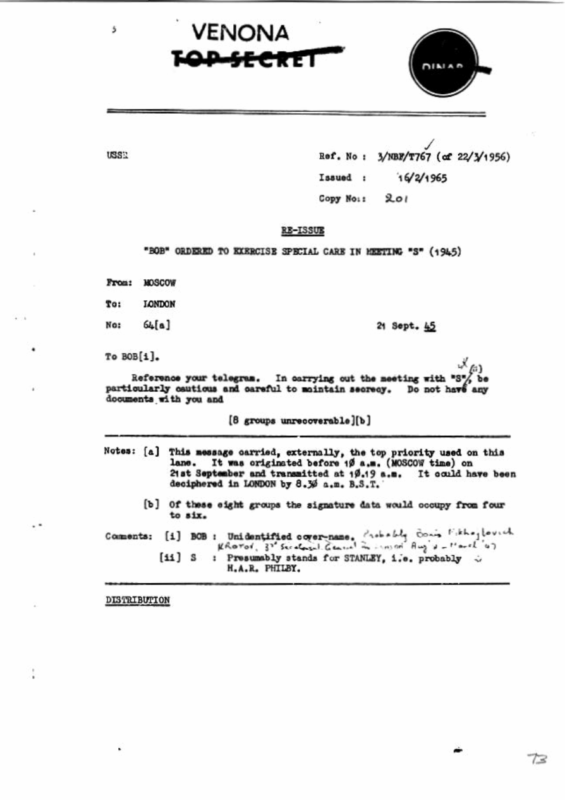
Behind battlefield cooperation, espionage and propaganda operations surged. British intelligence disseminated forged Nazi documents to Roosevelt, aiming to push the U.S. closer to war. Churchill exaggerated Luftwaffe strength and Nazi invasion plans to maintain domestic control and sway American opinion. Roosevelt’s administration manipulated reports of German and Japanese threats to galvanize support for intervention.
The intelligence services of all three powers conducted operations not only against the Axis but also against each other. Britain interfered in the 1940 U.S. election to ensure Roosevelt’s reelection. Soviet spies penetrated British and American institutions. Mistrust defined intelligence-sharing. Each government prioritized national advantage over alliance fidelity.
Historiography and the Manufacture of Legacy
Churchill’s six-volume The Second World War redefined the war’s memory. He crafted a narrative of principled leadership, moral clarity, and inevitable victory. This narrative erased internal dissent, strategic ambiguity, and geopolitical calculation. Roosevelt’s legacy similarly absorbed wartime contradictions into a coherent vision of democratic expansion. Stalin’s portrayal, more contingent on Soviet historiography, framed the USSR’s sacrifices as the decisive factor in Axis defeat.
The war’s true dynamics—economic opportunism, diplomatic deceit, and power competition—disappeared from official accounts. The postwar settlement institutionalized this fiction. The United Nations, Bretton Woods institutions, and NATO embedded the outcomes of wartime maneuvering as structures of peace. The cost of that stability was historical distortion.
Britain’s Postwar Collapse and American Ascendancy
By 1945, Britain’s global position had collapsed. The empire, drained by war and debt, fragmented under pressure from nationalist movements and American economic demands. Roosevelt’s policies had forced Britain to trade imperial preference for survival. The U.S. used its leverage to secure global market access, control financial systems, and dominate postwar reconstruction.
Stalin’s USSR, victorious yet devastated, absorbed Eastern Europe and institutionalized its security buffer. The Cold War emerged not from ideological incompatibility but from the wartime distribution of power. The seeds lay in Tehran and Yalta, where Roosevelt and Stalin defined spheres of influence while Churchill struggled to remain relevant.
Strategic Betrayals and Long-Term Consequences
Friendly Fire reveals that the Allied powers fought two wars: one against the Axis, another for global dominance. Churchill sacrificed empire to retain sovereignty. Roosevelt sacrificed short-term neutrality for long-term supremacy. Stalin sacrificed lives for territory. These choices were not betrayals of principle. They were enactments of strategic intent.
The narrative of unity concealed a matrix of self-interest. The war’s real structure unfolded in secret memoranda, clandestine missions, and high-stakes diplomacy. It was shaped by calculation, not sentiment. The outcome reshaped the global order.
What defined Allied success was not mutual trust, but overlapping necessity. When necessity faded, confrontation resumed. The Cold War began before the Second World War ended. Its origin lay in the unspoken war among Allies who never ceased competing. Their fire was friendly only in name.