Count Down: How Our Modern World Is Threatening Sperm Counts, Altering Male and Female Reproductive Development, and Imperiling the Future of the Human Race
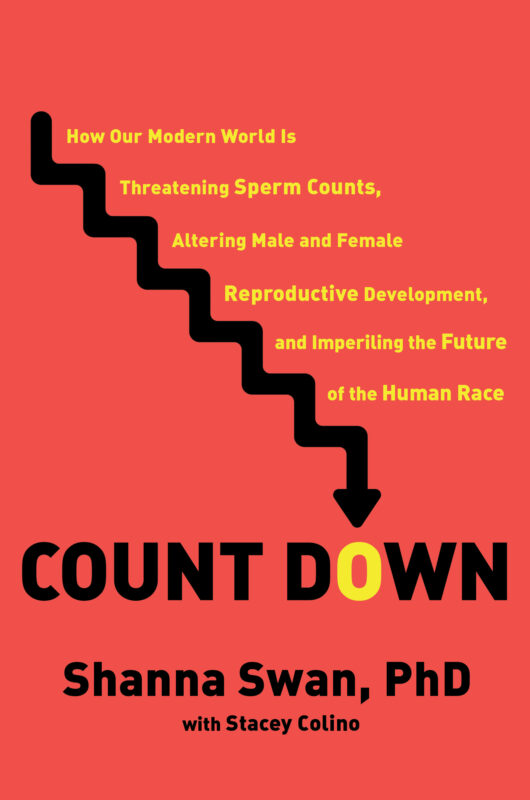
Count Down: How Our Modern World Is Threatening Sperm Counts, Altering Male and Female Reproductive Development, and Imperiling the Future of the Human Race by Shanna H. Swan delivers a deeply researched warning that modern chemical exposures and lifestyle shifts have set humanity on a trajectory of profound biological risk.
A Global Crisis in Fertility Unfolds
Swan’s research confronts a pivotal transformation: sperm counts in men across Western nations have plunged by more than half since the 1970s. Men in their prime reproductive years face a biological challenge unprecedented in human history. Sperm counts, testosterone levels, and sperm quality—including motility and morphology—follow the same declining curve. Women experience related crises: earlier onset of puberty, increased miscarriage rates, and diminished ovarian reserve. These trends coincide with declining fertility rates globally. Denmark’s total fertility rate fell from over four children per woman at the start of the twentieth century to under two today, echoing similar drops in the United States and other industrialized regions. Such changes shape family structures, birth rates, and the economic and social fabric of entire societies.
Endocrine Disruptors and Their Ubiquity
Endocrine-disrupting chemicals (EDCs) represent the central threat in Swan’s argument. These substances infiltrate the modern environment, saturating plastics, food packaging, personal care products, pesticides, and countless household items. Phthalates, bisphenol A (BPA), and related compounds mimic or interfere with hormone activity at crucial stages of human development. Their effects emerge most starkly in the womb, where exposure determines the foundational blueprint for reproductive organs, brain structure, and hormone signaling. Human bodies absorb and accumulate EDCs through ingestion, inhalation, and skin contact. Fetuses and infants, whose systems are in rapid flux, sustain the greatest risk. When mothers encounter high EDC loads, these chemicals cross the placenta and alter fetal development. Boys experience reduced anogenital distance, lower testosterone, and compromised sperm production as adults. Girls mature earlier, setting in motion a cascade of risks for breast cancer, reproductive challenges, and psychological stresses.
Multi-Generational Impact and Wildlife Evidence
Swan identifies a convergence between human reproductive shifts and anomalies in wildlife. Scientists observe feminized fish, alligators with misshapen penises, frogs exhibiting both male and female gonads, and mammalian populations with altered reproductive organs. These findings validate the principle that EDCs function across species lines, disrupting hormonal pathways wherever exposure occurs. Laboratory studies and field research reveal similar outcomes: fertility loss, abnormal development, behavioral changes, and rising rates of gender fluidity. Generational effects magnify these disruptions. A pregnant woman’s chemical exposures influence not just her child’s reproductive potential but the germline of grandchildren, setting up an intergenerational cycle of vulnerability. Declining sperm counts in young men today foreshadow compounding crises as their children and grandchildren inherit damaged reproductive blueprints.
Lifestyle, Technology, and Social Change
Count Down goes beyond chemical causes. Swan integrates evidence from lifestyle and behavioral research. Modern diets high in processed foods, sedentarism, obesity, chronic stress, and substance abuse amplify biological risk. Heat exposure from hot tubs and laptops, smoking, excessive drinking, and poor sleep correlate with lower sperm quality and increased infertility. Technology itself shapes the problem: ubiquitous digital devices encourage sedentary behavior, contribute to stress, and enable the spread of environmental toxins through electronic waste. Assisted reproductive technologies—IVF, ICSI, egg and sperm freezing—have become lifelines for couples unable to conceive, yet they create new risks and social questions. Children conceived through these technologies may face higher rates of developmental challenges, including autism and intellectual disabilities, as preliminary data suggests.
Medical and Social Blind Spots
Society clings to outdated narratives about fertility and gender. For decades, medicine and culture ascribed reproductive failure almost exclusively to women, leaving men underinformed about their role and responsibility. Swan exposes the literacy gap among men: few understand the significance of sperm health, the impact of age, or the hidden dangers of their habits. Infertility remains shrouded in stigma. Men experience shame, isolation, and psychological distress when diagnosed with subfertility, a reality intensified by a culture that equates masculinity with virility. Women face parallel challenges—ignorance about their fertile window, misperceptions about age-related decline, and the risks associated with hormonal contraceptives, environmental toxins, and delayed childbearing.
Population Dynamics and the Looming Demographic Shift
Countries across the globe face demographic transformations with far-reaching consequences. Shrinking populations strain economies, social systems, and healthcare networks. Fewer working-age adults bear the financial and caretaking burdens for growing elderly populations. Swan describes a demographic time bomb: falling birth rates, persistent infertility, and unbalanced age distributions portend social and economic volatility. Regions already grappling with low fertility, such as Japan and parts of Europe, foreshadow trends spreading worldwide. Swan ties the reproductive crisis to broader existential questions: How will societies adapt to shrinking families, altered gender roles, and the health implications of impaired fertility?
Policy Inertia and Missed Opportunities
Research on declining fertility and EDCs has triggered media headlines, scientific conferences, and growing concern among researchers. However, regulatory systems lag behind the evidence. Chemical manufacturers face little pressure to reformulate products, and governments maintain slow, piecemeal approaches to regulation. Swan’s 2017 meta-analysis catalyzed global attention, yet resulted in few concrete changes to environmental policies, product safety standards, or consumer protection. The chemical industry capitalizes on scientific uncertainty and slow regulatory cycles, releasing thousands of new substances annually, most without comprehensive testing for reproductive toxicity. Public health campaigns seldom address the depth of risk posed by modern exposures.
Solutions: Individual Actions and Collective Change
Swan identifies actionable pathways for individuals, families, and policymakers. People can minimize their exposure to EDCs by choosing products labeled “phthalate-free” or “BPA-free,” reducing consumption of processed foods, avoiding microwaving in plastic, and selecting safer personal care items. Filtration of drinking water and ventilation of living spaces can reduce exposure to airborne toxins. Parents and prospective parents gain agency by learning about reproductive hazards, making informed choices, and advocating for systemic reforms. On a broader scale, Swan urges governments and industries to implement robust chemical safety testing, enforce transparent labeling, and invest in green chemistry solutions. Societies can promote healthy lifestyles—nutrition, physical activity, stress management—to support reproductive health and counteract environmental risks.
The Psychological and Emotional Dimension
The fertility crisis provokes a profound emotional toll. Couples confronting infertility navigate cycles of hope, disappointment, and uncertainty. Men and women experience unique forms of loss and frustration, shaped by their biology and social expectations. Swan interweaves the voices of individuals facing diagnosis and treatment, revealing the complex interplay of shame, secrecy, intimacy, and resilience. Fertility struggles challenge identities, relationships, and plans for the future. The rise of online forums, support groups, and advocacy networks reflects the need for community and information. These networks foster resilience, but also amplify awareness of a shared vulnerability—humanity’s precarious relationship with its own capacity for reproduction.
The Next Generation: Children, Health, and Human Potential
The book addresses the fate of children born in the era of chemical saturation and reproductive stress. Early puberty in girls, declining sperm quality in boys, and rising rates of congenital anomalies signal the far-reaching health implications for future generations. Swan highlights developmental disorders, hormonal imbalances, and the psychological impact of accelerated maturation. She raises critical questions: How will society adapt to changing norms around gender, sexuality, and family? What risks do new reproductive technologies pose for the health and identity of children? Swan calls for comprehensive research and ethical reflection to guide policy and parental choices.
Conclusion: Claiming Agency and Protecting the Future
Count Down challenges readers to move beyond alarm toward action. The evidence for a fertility crisis grows clearer, supported by converging data from epidemiology, toxicology, and reproductive medicine. Swan asserts the urgency of reclaiming reproductive agency—at personal, political, and planetary scales. Individuals, families, scientists, and leaders must demand safe products, clean environments, and policies that protect fertility for generations to come. As Swan insists, reversing the trend demands collective will and sustained attention. Human history turns on the axis of reproduction; the choices made today will shape the trajectory of life for centuries.
Why Count Down Matters for the Searcher
Searchers seeking information on modern fertility, endocrine disruptors, declining sperm counts, reproductive health, and environmental toxins will find Count Down indispensable. Swan’s synthesis delivers a detailed roadmap of the causes, consequences, and solutions for the reproductive challenges facing the world. The book serves scientists, parents, policymakers, healthcare providers, environmental advocates, and anyone committed to understanding and confronting the forces shaping the future of human life. Swan provides clarity, urgency, and practical advice, positioning Count Down as a cornerstone reference for the emerging science of environmental health and fertility.