A Century of War: Anglo-American Oil Politics and the New World Order
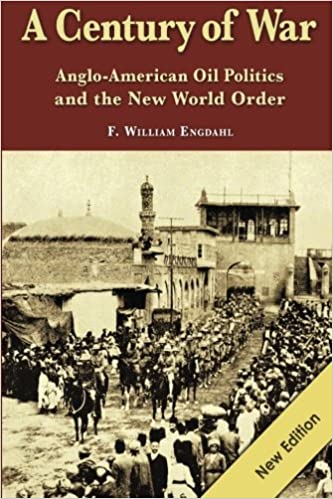
A Century of War by F. William Engdahl investigates the concealed architecture of global power structured around oil politics, Anglo-American finance, and military-industrial strategy since the late 19th century. The book asserts that energy control, not ideological rivalry or regional conflict, has consistently determined the course of world history from the collapse of the British Empire to the rise of American hegemony. Engdahl traces how oil became the master commodity of empire and reveals how elites engineered financial systems, wars, and development policies to dominate it.
Petroleum as the Axis of Power
The pursuit of petroleum determined the strategic imperatives of Britain at the end of the 19th century. As its coal-based empire stagnated, British elites turned toward oil, which promised military supremacy through naval propulsion, economic leverage through global supply control, and imperial continuity through financial manipulation. The decision to convert the Royal Navy from coal to oil inaugurated this new strategy. Lord Fisher’s naval reforms depended on securing oil sources outside British territory, prompting aggressive geopolitical action in Persia and the Middle East.
Engdahl reveals how this energy strategy aligned with financial and military goals. The Bank of England, City of London merchant houses, and naval leadership converged on a model of empire reliant on oil access rather than territorial occupation. The D’Arcy concession in Persia, secured through covert intelligence operations, positioned Britain to dominate oil in the Gulf decades before its full strategic value became evident.
The German Challenge to Anglo Power
By the 1890s, Germany’s industrial growth threatened British global primacy. The German Reich had rapidly modernized its economy through protectionist policies, state investment in infrastructure, and technological innovation. The Berlin-Baghdad Railway embodied Germany’s eastward strategy. It promised direct overland access to Mesopotamian oil and trade routes that bypassed British-controlled sea lanes.
Engdahl identifies the railway as the linchpin in Germany’s emerging challenge to Anglo imperial systems. British policymakers perceived it as a mortal threat. Not because of immediate military risk, but because it could unify a massive Eurasian economic corridor under German influence. British strategy focused on sabotaging the railway diplomatically, financially, and militarily. The Balkan wars, the manipulation of regional powers, and control over Kuwait all factored into this effort.
The Real Origins of World War I
The assassination in Sarajevo triggered mobilizations, but Engdahl places the root cause of World War I in Britain’s drive to prevent Eurasian consolidation under German leadership. Germany’s control over rail infrastructure, industrial output, and potential oil sources represented a systemic challenge to Anglo-American financial and military dominance. The war halted the railway, severed Berlin’s link to the Middle East, and maintained British control of key oil regions.
London's secret support for France and Russia before the war ensured Germany’s isolation. The Entente Cordiale masked strategic alignment rooted in oil and finance. British acquisition of majority control in the Anglo-Persian Oil Company ahead of war further entrenched energy as a precondition for national security.
The American Succession
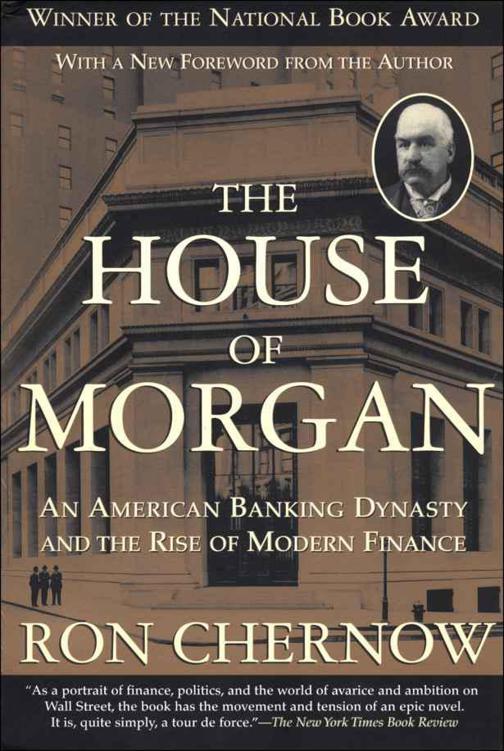
After 1918, British power waned. The United States, with vast domestic oil reserves and expanding financial institutions, supplanted Britain. Engdahl examines how American banks, led by Morgan interests, aligned with Big Oil to form a new axis of global power. The dollar standard, established at Bretton Woods, institutionalized American oil supremacy through financial infrastructure. The Marshall Plan enforced energy dependency on U.S. oil, consolidating geopolitical control across Western Europe and Japan.
U.S. foreign policy operated through economic warfare. Nationalist governments in Iran and Latin America faced coups when they challenged oil concessions. Mossadegh in Iran and Cárdenas in Mexico illustrate how attempts to assert sovereign control over natural resources provoked Anglo-American retaliation masked as Cold War containment. Washington positioned itself as guardian of the free world, but Engdahl argues this cloak served to protect corporate oil monopolies and global capital flows.
From Bretton Woods to the Oil Shock
The dollar’s dominance hinged on oil pricing. As domestic U.S. reserves declined, foreign dependence increased. To secure long-term supply, Kissinger and Nixon forged the Petrodollar system in the wake of the Yom Kippur War. The oil price explosion of 1973, often blamed on OPEC, was orchestrated through Anglo-American collusion to stabilize the dollar and redirect global wealth into U.S. financial markets.
Engdahl reveals that the meeting in Saltsjöbaden, Sweden, where Bilderberg elites planned the oil shock, illustrates the degree of intentional planning. The result devastated Third World economies, launched massive recycling of oil dollars into Western banks, and fortified the IMF’s leverage over sovereign debtors.
IMF Shock and Structural Dependence
The oil shock did more than transfer wealth. It institutionalized austerity through IMF conditionality. Countries that borrowed to pay for oil imports faced crushing debt, privatization mandates, and currency devaluation. Economic sovereignty eroded under technocratic regimes designed to preserve creditor control. Latin America, Africa, and parts of Asia became laboratories for economic restructuring under neoliberal orthodoxy.
The parallel rise of environmental movements, funded and shaped by Anglo-American foundations, rebranded resource control as sustainability. Population control policies merged with energy scarcity narratives to justify intervention. The Rockefeller interests, long embedded in the oil industry, repositioned themselves at the center of a green technocracy that retained core imperial logic.
Volcker, Reagan, and the Global Reversal
Paul Volcker’s interest rate shock in 1979 compounded the oil crisis. Engdahl describes it as a monetary coup. The dollar was saved by sacrificing domestic industry, raising global interest rates, and inducing global recession. Reagan’s administration accelerated this transformation through deregulation, deficit spending, and militarization of the economy.
Wall Street replaced industrial policy. Finance reigned over production. The Cold War shifted into financial war. Japan and Europe, growing too independent, became targets for economic containment. Plaza Accord diplomacy, currency manipulations, and strategic trade cases ensured their continued subordination.
End of the Cold War and New Enemies
The fall of the Berlin Wall unleashed new opportunities for expansion. But instead of partnership, the Anglo-American bloc turned the 1990s into an era of disintegration. Yugoslavia’s breakup, IMF colonization of Eastern Europe, and engineered crises in Russia marked a strategy of destabilization. Economic transformation became a euphemism for asset seizure and oligarchy formation.
In this new era, Engdahl argues, wars became more precise, their goals more opaque. Iraq’s invasion of Kuwait offered the pretext for full-scale military re-engagement. The Gulf War, presented as a defense of sovereignty, restored control over critical oil infrastructure. The 1991 war introduced precision bombing, media management, and sanctions as tools of permanent subjugation.
Control, Not Consumption
The logic driving these events was never simple energy access. Engdahl emphasizes that control over supply matters more than volume of consumption. By dominating oil transit routes, denying rivals infrastructure, and regulating capital flows, Anglo-American interests could set the terms of global development. Countries rich in oil had to remain politically fragile or economically dependent.
This doctrine structured the century. From the fall of the Ottoman Empire to the remapping of Iraq and Syria, from the collapse of Soviet oil systems to the containment of Chinese energy ambitions, the same imperative guided policy: control oil, direct finance, command the future.
The Invisible Thread of Strategy
What links British imperial decline, German industrial suppression, Bretton Woods finance, Kissinger diplomacy, and IMF conditionality? Engdahl’s answer: the uninterrupted pursuit of oil supremacy. He contends that beneath the surface of public events lies a concealed map of decisions, agreements, and alliances structured to secure energy dominance.
This is not a theory of conspiracy but of architecture. Systems of power reveal their coherence through the pattern of outcomes they generate. A Century of War uncovers those patterns and traces them across wars, treaties, financial systems, and revolutions. It demands that readers confront the underlying designs that shape global history.